Views: 0 Author: D and D Hardware Publish Time: 2026-06-30 Origin: D and D Hardware


TL;DR:
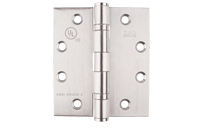
BHMA-certified door hinges are the benchmark standard for educational buildings, combining high cycle-count durability, fire-rated performance, and code compliance. For schools and universities handling thousands of door operations daily, BHMA Grade 1 hinges—manufactured to ANSI/BHMA A156.1 standards—deliver the structural reliability and safety performance these environments demand.
Schools are demanding environments. Classroom doors open and close hundreds of times a day. Corridors experience sustained foot traffic from hundreds of students. Emergency exits must function perfectly under pressure. The hardware holding those doors in place needs to perform without compromise—every single time.
That's why specifiers, facility managers, and construction teams across North America consistently turn to BHMA-certified door hinges when outfitting educational buildings. The Builders Hardware Manufacturers Association (BHMA) grading system provides a clear, testable framework for selecting hardware that can handle the specific demands of K-12 schools, colleges, and university campuses.
This guide breaks down what BHMA certification means for door hinges, why it matters in educational settings, and how to choose the right BHMA door hinge manufacturer or OEM hinge supplier for your next project.
BHMA certification is a performance-based grading system developed jointly with the American National Standards Institute (ANSI). For door hinges, the governing document is ANSI/BHMA A156.1, which tests for cycle endurance, finish durability, material strength, and load capacity.
There are three certification grades:
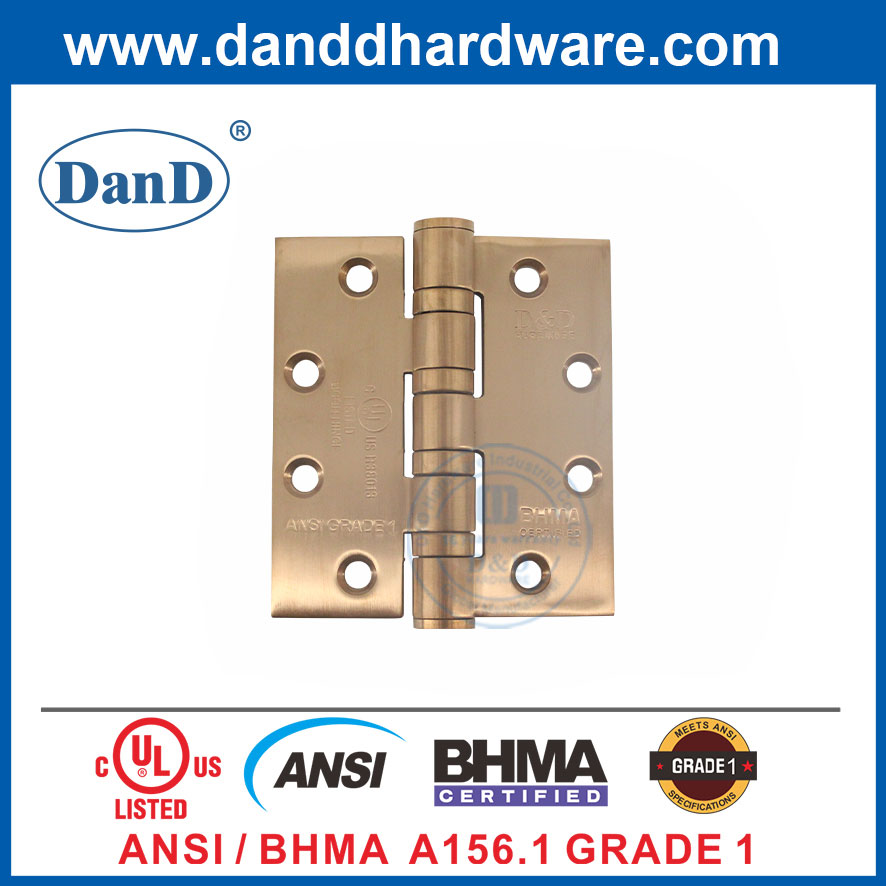
Grade 1 – Heavy-duty commercial use. Rated for 2,500,000+ cycles. Required in high-traffic applications like schools, hospitals, and government buildings.
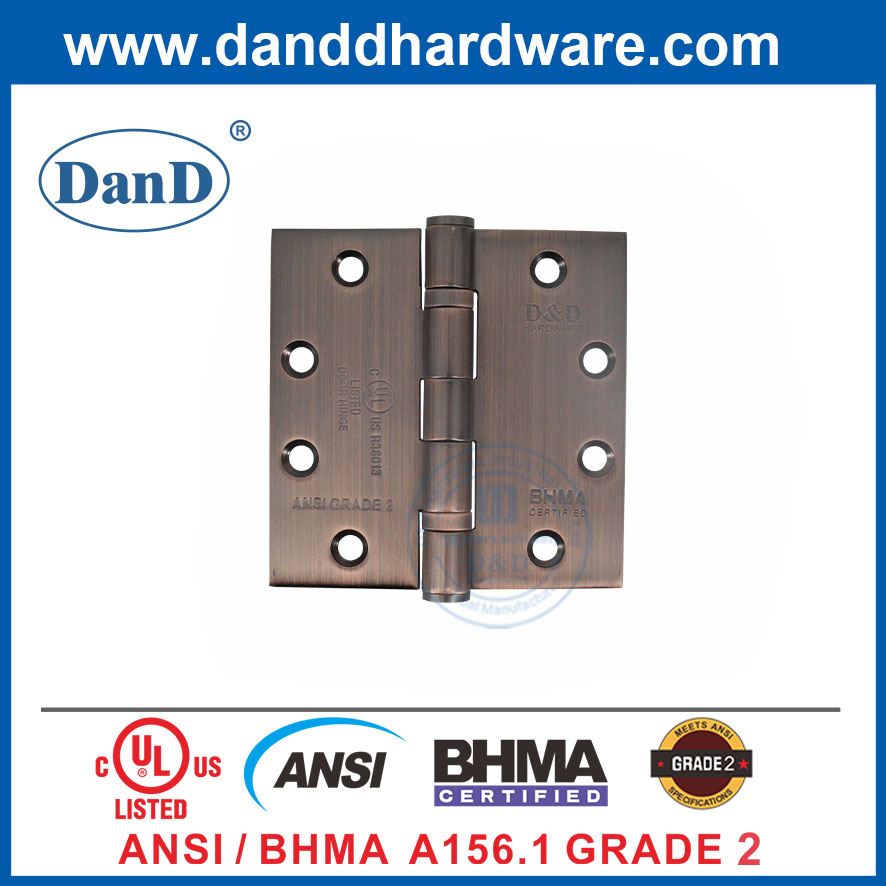
Grade 2 – Medium-duty commercial use. Rated for 1,500,000 cycles. Suitable for light commercial or low-traffic office environments.
Grade 3 – Residential use. Rated for 350,000 cycles. Not appropriate for educational or commercial buildings.
For educational buildings, BHMA Grade 1 is the standard. A single classroom door in a busy secondary school can exceed 2,500,000 cycles in a year. Specifying anything lower is a false economy—lower-grade hinges wear faster, fail sooner, and create ongoing maintenance costs that far outweigh the initial savings.
Most commercial buildings have demanding door hardware requirements. Educational buildings add another layer of complexity.
High cycle frequency. Classrooms, laboratories, gyms, and cafeterias see door activity that far exceeds a typical office building. A hallway door between two busy corridors can exceed 500 operations per day during a standard school week.
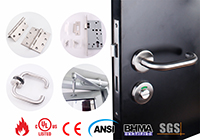
Fire-rated door assemblies. Building codes in most jurisdictions require fire-rated door hardware in corridors, stairwells, and exit routes. BHMA door hinges used on fire-rated doors must also carry UL certification to maintain the integrity of the fire-rated assembly. Mixing non-rated hardware into a rated door assembly can void the fire rating entirely—a serious liability in any inspection.
ADA and accessibility compliance. Educational buildings must meet ADA accessibility standards, which affect door weight, swing force, and hardware positioning. Heavy-duty BHMA Grade 1 hinges support heavier door assemblies while maintaining smooth, low-resistance operation.
Security in specialized spaces. Science labs, administrative offices, server rooms, and storage areas require hardware that resists tampering and forced entry. BHMA-rated hinges with non-removable pins (NRP) and security tips are commonly specified for these locations.
Vandalism resistance. Schools experience a level of physical abuse that most commercial buildings do not. Hardware finishes, pin security, and structural rigidity matter significantly more in this context.

When reviewing BHMA door hinges for an educational building project, these are the specifications worth prioritizing:
BHMA Grade 1 is the minimum specification for classroom and corridor doors in educational buildings. Grade 1 hinges are rated to 1,000,000+ operational cycles under ANSI/BHMA A156.1 testing, making them the appropriate choice wherever door frequency is high or where code mandates heavy-duty hardware.
Yes, in most cases. Doors serving as part of a fire-rated corridor, stairwell, or exit route must use hinges that are listed for use in fire-rated door assemblies. These hinges carry both BHMA certification and UL listing. Using a non-fire-rated hinge in a rated assembly is a code violation. A qualified BHMA door hardware manufacturer will clearly identify which products carry dual BHMA/UL certification.
Grade 304 stainless steel is the most widely specified material for educational building hinges. It offers corrosion resistance, long-term finish retention, and structural rigidity under high-cycle use. Grade 316 stainless steel provides enhanced corrosion resistance and is preferred in coastal or high-humidity environments such as pool facilities and outdoor-adjacent corridors.
BHMA finish codes define standardized finishes tested for durability. Common selections for educational buildings include:
US26D / 626 – Satin Chrome (low maintenance, widely used)
US32D / 630 – Satin Stainless Steel (durable, professional appearance)
US10B / 613 – Oil-Rubbed Bronze (often used in heritage or civic educational buildings)
All finishes on BHMA-certified products must pass accelerated corrosion resistance testing, ensuring long-term appearance under daily cleaning routines common in school environments.
Specifying BHMA Grade 1 hinges is straightforward. Finding a BHMA door hinge manufacturer or OEM hinge supplier who can reliably deliver those products at scale—with proper documentation—requires more careful evaluation.
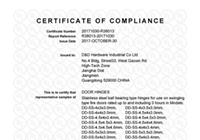
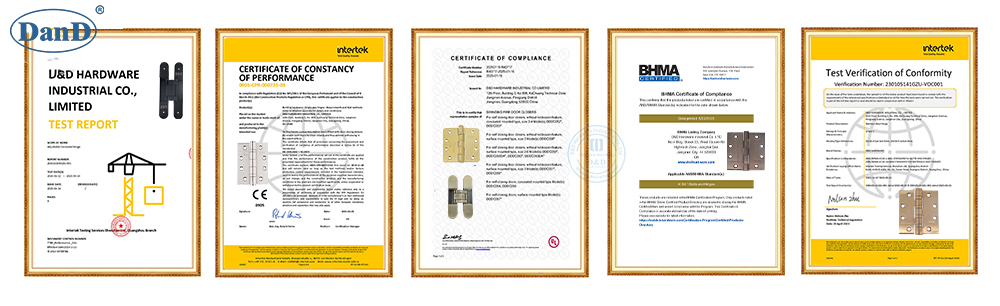
Certification documentation. A credible BHMA door hardware manufacturer provides test reports, certification listings, and product data sheets on request. For educational projects, especially those involving public funding, documentation trails matter for inspection, compliance, and procurement.
Factory certifications. ISO 9001 certification indicates consistent quality management at the manufacturing level. It doesn't replace BHMA testing, but it confirms the factory operates documented production controls.
OEM and custom manufacturing capability. Educational construction projects often have specific dimensional or finish requirements. An OEM hinge supplier with in-house design capability can produce custom hinge configurations—including non-standard sizes, custom finishes, and electrified hinge variants—without routing through a third-party fabricator.
Fire-rated product range. Not every BHMA door hinge manufacturer holds UL listings for fire-rated applications. For educational buildings where fire-rated assemblies are common, confirm that your supplier can provide hinges with both BHMA and UL certification from the same product line.
Project and technical support. Educational construction schedules are often tight, with completion required before the academic year begins. Working with a supplier who provides technical specification support, responsive communication, and reliable lead times reduces the risk of project delays caused by hardware substitutions or reorders.
D&D Hardware is an ISO 9001-certified BHMA door hardware manufacturer with over 18 years of experience supplying certified door hardware for commercial and institutional buildings worldwide. D&D Hardware's product range includes BHMA Grade 1 fire-rated hinges, ANSI/UL listed hardware, and OEM hinge manufacturing services for custom project requirements. Contact D&D Hardware at danddhardware.com to request product specifications, certifications, or a project quotation.
Even experienced specifiers make errors when selecting hinges for educational projects. The most common:
Specifying Grade 2 to reduce cost. In high-traffic educational environments, lower-grade hinges fail faster. Replacement and labor costs routinely exceed the initial savings within two to three years.
Overlooking fire-rating requirements. Always cross-reference the door schedule with the fire-rated door assembly schedule. Any door in a rated assembly requires rated hardware.
Ignoring pin security on outswing doors. Exterior doors that swing outward expose hinge pins to the outside. Non-removable pin (NRP) hinges prevent pin removal and are a standard security specification for these applications.
Mismatching finishes across hardware groups. BHMA finish codes allow specifiers to align hinges, locks, closers, and handles across a consistent finish, improving both aesthetics and long-term maintenance.

A door hinge is rarely the most discussed component of a door hardware specification. It rarely should be. When BHMA Grade 1 hinges are correctly specified and installed, they operate invisibly—supporting thousands of door cycles without adjustment, failure, or maintenance calls.
That reliability is exactly what educational facilities need. Students, staff, and visitors don't notice the hardware. They just open the door, and it works.
For procurement managers, architects, and contractors working on educational building projects, the goal is simple: source certified BHMA door hinges from a verified man
ufacturer, document the specifications, and install hardware that will still be performing at full capacity a decade from now.
To explore BHMA-certified door hinges for educational building applications—including fire-rated options, custom OEM manufacturing, and full-project hardware solutions—visit D&D Hardware at danddhardware.com.
BHMA Grade 1 hinges are rated to 2,5000,000+ cycles under ANSI/BHMA A156.1 and are required for heavy-duty commercial and institutional applications, including schools. Grade 2 hinges are rated to 1,500,000 cycles and are appropriate only for light commercial or low-traffic environments. Educational buildings should specify Grade 1 as the minimum standard.
Yes, provided the hinge also carries a UL listing for fire-rated door assemblies. A BHMA certification alone does not satisfy fire-rating requirements. Specifiers must confirm that selected hinges are listed under the appropriate UL fire-door assembly standard for the specific door type.
An OEM hinge supplier manufactures hinges to custom specifications, including non-standard sizes, finishes, or configurations. This matters for educational projects where architects or contractors require hardware that matches specific design standards or replaces discontinued products. Working directly with an OEM hinge supplier typically reduces lead times and cost compared to sourcing through intermediary distributors.
Request product test reports referencing ANSI/BHMA A156.1, factory certifications (ISO 9001 is a reliable indicator), and UL listing documentation for fire-rated products. Legitimate BHMA door hardware manufacturers provide this documentation readily and without restriction.
Both materials can meet BHMA Grade 1 standards. However, stainless steel (Grade 304 or 316) is generally preferred in educational settings due to its superior corrosion resistance, longer finish lifespan, and compatibility with standard institutional cleaning chemicals. Steel hinges may corrode over time in high-humidity areas such as locker rooms, gymnasiums, and food service spaces.
For further information about fire rated door hardware or any of our services, please click to Contact us Now:
Contact: David Jian
Mobile No.: 0086-139 2903 7292
Email: sales@danddhardware.com