Views: 0 Author: Site Editor Publish Time: 2026-04-27 Origin: Site


Commercial building safety relies on a complex network of carefully engineered systems. While thick concrete walls and specialized alarms often get the most attention, passive fire protection is equally critical. Fire doors play a massive role in compartmentalizing smoke and flames during an emergency. However, a heavily reinforced door is completely useless if its locking mechanism melts or warps under extreme heat.
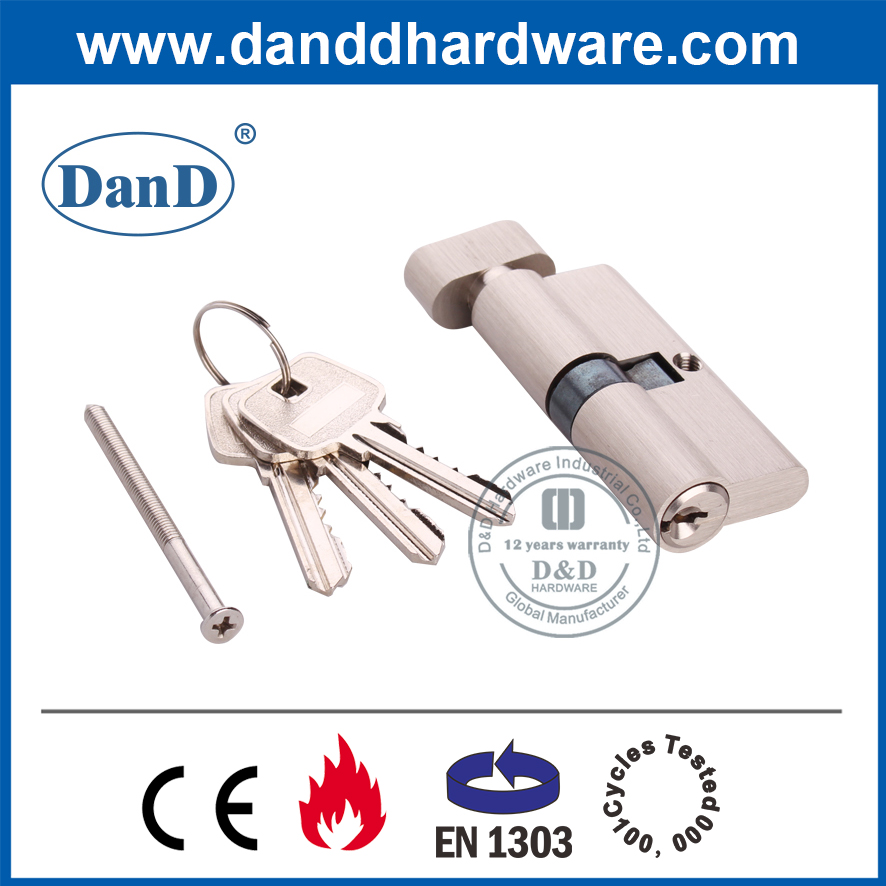
This is exactly why installing a fire rated lock cylinder is a non-negotiable requirement for commercial and high-security properties. These specialized components are built to maintain their structural integrity when exposed to massive temperature spikes. By keeping the door securely latched, they prevent fire from rapidly spreading from one room to another, giving occupants precious time to evacuate safely.
Understanding the technical specifications behind these small but mighty devices can be overwhelming. Building codes dictate strict compliance requirements, and choosing the wrong hardware can lead to failed inspections or catastrophic consequences. This comprehensive guide explains the core features, international certifications, and material benefits of premium fire-rated cylinders, helping you make an informed decision for your next construction or renovation project.

During a fire, the immense heat creates pressure differences that can force doors open. Standard locking mechanisms often utilize cheap alloys or plastic internal components that quickly disintegrate under these conditions. Once the lock fails, the door swings open, allowing oxygen to feed the flames and toxic smoke to travel freely through hallways and stairwells.
A high-quality fire rated lock cylinder is specifically constructed to prevent this sequence of events. Engineers design these cylinders to resist extreme temperatures for extended periods, typically certified to hold strong for anywhere from 30 to over 60 minutes. Some advanced models even pass rigorous 183-minute fire resistance tests. They are specifically tested to integrate seamlessly with both metal and timber fire doors, ensuring that the entire door assembly acts as a unified barrier against the blaze.

These cylinders do not just protect against fire. They operate as high-security devices designed to thwart forced entry. Many Euro profile and mortise cylinders feature anti-snap, anti-pick, and drill-resistant technologies. This dual-purpose design ensures that a commercial facility remains secure against intruders while fully complying with essential life-safety regulations.
Hardware manufacturers must subject their products to punishing laboratory tests to prove their fire resistance. Understanding these certifications helps building managers and contractors select the right components for their specific regional requirements.
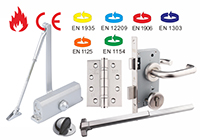
The European standard EN1303 evaluates the performance, durability, and security of cylinder locks. To earn this certification, a lock must successfully endure over 100,000 operational cycles, proving its long-term reliability in high-traffic areas like hospitals, schools, and office buildings.
Alongside operational testing, fire doors and their associated hardware must pass the BS EN 1634-1 fire resistance test. During this assessment, the fully assembled door is exposed to a furnace that simulates a real-world building fire. The lock cylinder must keep the door latched and prevent any gaps from forming that could let flames slip through.
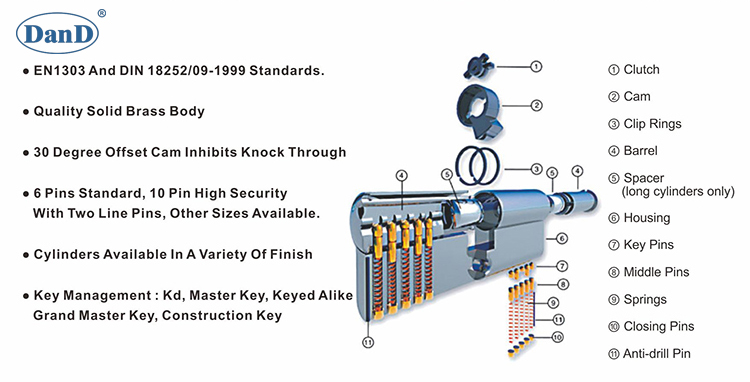
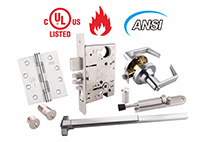
In North America, the American National Standards Institute (ANSI) sets the benchmark for builders hardware. ANSI-compliant locks are graded based on their toughness and security features, with Grade 1 representing the highest level of commercial security. A combination Fire Rated EN1303 and ANSI Lock Cylinder provides a universally recognized standard of excellence. Equipping a building with hardware that meets both European and American testing protocols guarantees maximum protection, durability, and regulatory compliance across international markets.

Selecting the appropriate lock cylinder involves more than just checking off certification boxes. The physical construction and design details dictate how well the lock will perform in the real world.
The foundation of any heavy-duty lock cylinder is its core material. Leading engineers rely heavily on solid brass construction for fire-rated models. Brass boasts a remarkably high melting point, meaning it will not warp, shatter, or melt when exposed to the intense thermal shock of a structural fire. Additionally, brass is highly resistant to corrosion, ensuring that the internal pins and springs continue to operate smoothly after years of heavy daily use.
Building designs utilize different types of door setups, requiring specific cylinder profiles.
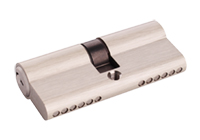
Euro Profile Cylinders: Widely used across Europe and increasingly adopted globally, these cylinders feature a distinctive oversized keyhole shape. They are easy to install and replace without removing the entire lock case from the door.
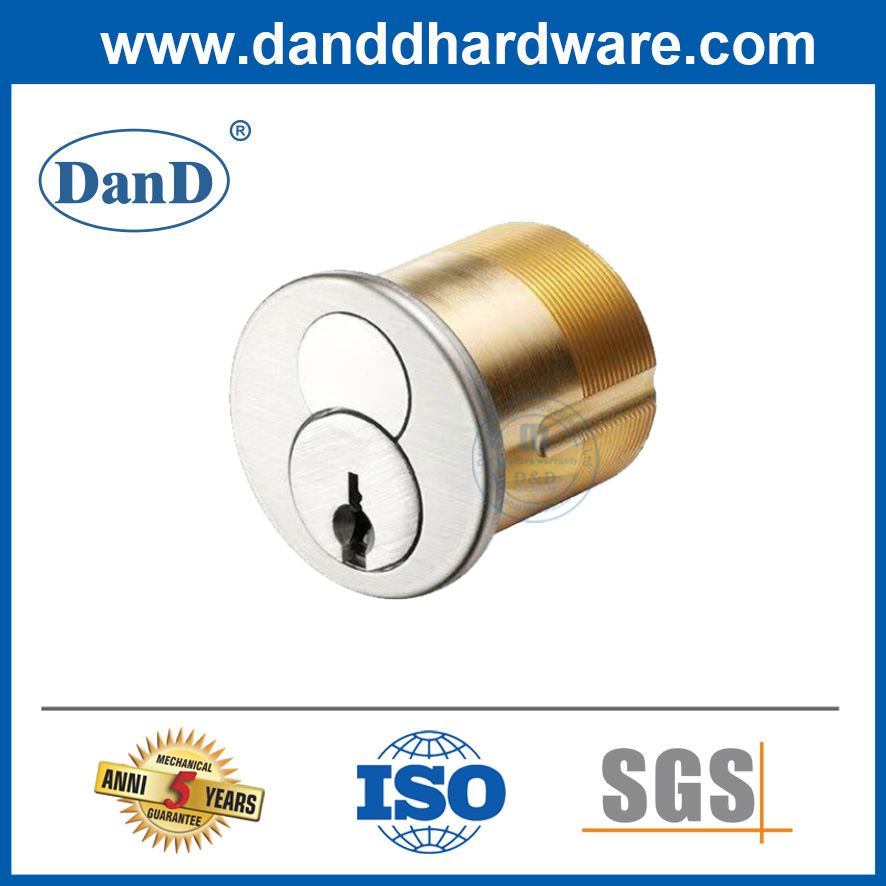
Mortise Cylinders: Commonly found in ANSI-compliant commercial setups, mortise cylinders thread directly into the lock body. They offer exceptional physical security and are frequently used in heavy-duty aluminum or hollow metal doors.
Safety hardware should never ruin the interior design of a carefully planned architectural space. Manufacturers now produce fire-rated cylinders in a wide variety of attractive finishes. Whether an office calls for the sleek look of satin nickel, the traditional elegance of polished brass, or the modern appeal of matte black, there is a finish available to complement the building's overall aesthetic.
Sourcing hardware for a large-scale commercial project requires a dependable supply chain. Working directly with a certified fire rated lock cylinder manufacturer ensures that you receive consistent quality, favorable bulk pricing, and access to customized engineering solutions.
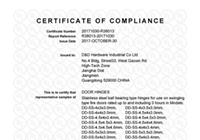
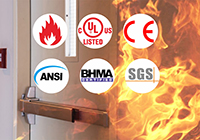
Top-tier manufacturers, such as D&D Hardware, operate ISO 9001-certified facilities and subject their products to rigorous third-party audits. A reputable supplier will clearly display their UL, CE, and ANSI testing credentials. Furthermore, experienced manufacturers can provide complex master key systems. This allows property managers to grant varied levels of access to different staff members, maintaining tight security protocols without requiring employees to carry large rings of heavy keys.
By prioritizing a supplier with a strong track record in commercial door solutions, architects and contractors can confidently outfit their projects with hardware that protects both property and human life.

No. Using a standard, non-rated lock cylinder on a fire door voids the door's fire certification. Standard cylinders can melt or deform quickly in a fire, causing the door to unlatch and allowing the fire to spread. You must always use fire-rated hardware on fire-rated doors.
Fire resistance times vary based on the specific testing standard and product engineering. Most high-quality cylinders are certified to withstand fire for 30 to 60 minutes. Some advanced Euro profile cylinders achieve impressive EN1634 fire ratings of up to 183 minutes.
Yes. Fire-rated lock cylinders are highly versatile and are engineered to function perfectly within both timber (wooden) and hollow metal fire doors. Ensure you check the specific product guidelines to confirm compatibility with your door's thickness and material.
Building safety requires uncompromising attention to detail. From the heavy steel frames to the smallest brass pins inside the door hardware, every component must perform flawlessly under pressure. By selecting a properly tested Fire Rated EN1303 and ANSI Lock Cylinder, you ensure that your facility meets the highest global safety standards. Take the time to evaluate your building's security needs, consult with a trusted manufacturer, and invest in door hardware that provides lasting durability and guaranteed fire protection.
More about Lock Cylinder, Contact us Now:
Contact David Jian
Mob:+86-139 2903 7292
Email: sales@danddhardware.com