Views: 0 Author: D and D Hardware Publish Time: 2026-06-23 Origin: D and D Hardware


Quick answer:
The right door hinge for healthcare facilities is corrosion-resistant (typically grade 304 or 316 stainless steel), easy to sanitize, and certified for fire safety with a UL 10C door hinge rating. These hinges support infection control, patient accessibility, and code compliance across hospitals, clinics, and specialty care areas.
Door hinges rarely make headlines in hospital design—yet they quietly shape patient safety, hygiene, and code compliance every single day. A hospital corridor door may cycle open and close thousands of times a week. In an operating room, a single contaminated surface can compromise infection control. And when fire strikes, the hardware on a fire-rated door determines whether it holds the line or fails.

This guide breaks down what facility managers, architects, and contractors need to know when selecting a door hinge for healthcare facilities. You'll learn which materials resist corrosion and bacteria, why fire ratings like UL 10C matter, and how to match the right hinge to specific clinical environments. By the end, you'll be able to specify hinges with confidence.
Healthcare buildings face demands that ordinary commercial spaces never encounter. Doors must withstand constant traffic, frequent chemical cleaning, and strict regulatory scrutiny. The hinge—small as it is—sits at the center of three critical concerns:
Infection control: Hinges with smooth, non-porous surfaces resist bacterial buildup and stand up to repeated sanitization with harsh disinfectants.
Patient safety: Quiet, reliable hinges reduce noise in recovery wards and ensure doors close properly on fire-rated assemblies.
Compliance: Healthcare facilities must meet building codes, accessibility standards, and fire safety regulations. Non-compliant hardware creates serious liability.
A failed or corroded hinge isn't just an inconvenience. In a hospital, it can interrupt care, spread contamination, or compromise a life-safety system.
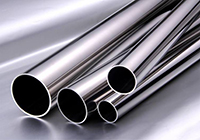
Material selection is the foundation of any good healthcare hinge specification. The clear winner is stainless steel—specifically grade 304 and grade 316.
Grade 304 stainless steel offers excellent corrosion resistance and durability for most interior healthcare doors, including patient rooms, corridors, and offices. It handles routine cleaning chemicals without pitting or rusting.
Grade 316 stainless steel steps things up for the toughest environments. With added molybdenum, grade 316 resists corrosion from aggressive disinfectants, sterilization processes, and high-moisture areas like labs and sterile processing departments. Choose grade 316 if chemical exposure is heavy and longevity matters more than upfront cost.
Both grades share a key hygiene advantage: their smooth, non-porous surfaces give bacteria nowhere to hide. That makes them simple to wipe down and sanitize—a requirement in any clinical setting.

Fire safety is non-negotiable in healthcare. Hospitals and clinics rely on fire-rated door assemblies to compartmentalize smoke and flame, buying precious time for evacuation and emergency response.
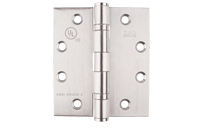
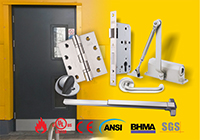
A UL 10C door hinge is tested and certified to perform on fire-rated doors under the UL 10C "positive pressure" fire test standard, which is widely recognized across North America. When you specify a UL 10C-rated hinge, you confirm that the hardware will hold up under fire conditions and keep the door assembly intact.
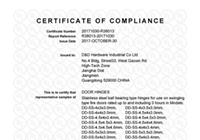
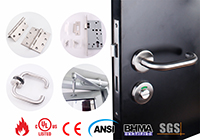
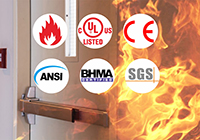
Working with an established UL 10C door hinge manufacturer matters here. A qualified manufacturer like D&D Hardware tests its hinges to international standards—including UL, ANSI, BHMA, and CE—and backs them with documentation that simplifies code approval. D&D Hardware operates an ISO 9001 certified factory with over 18 years of experience producing fire-rated door hardware, so specifiers get both compliance and consistency.
For self-closing applications, spring-loaded stainless steel hinges help fire doors close automatically without a separate door closer—a smart option for tighter spaces.

Healthcare doors must accommodate wheelchairs, gurneys, beds, and equipment carts. The right hinge plays a direct role.
Wide-throw hinges allow doors to swing clear of the frame, creating extra clearance for accessibility compliance and easy passage of medical equipment.
Ball-bearing hinges deliver smooth, quiet operation across heavy, high-cycle doors—reducing noise in patient recovery areas.
Concealed hinges offer a clean, tamper-resistant look ideal for behavioral health units and staff-only zones where exposed hardware poses a risk.
Quiet operation deserves special attention. In wards where rest aids recovery, ball-bearing stainless steel hinges keep door movement nearly silent, supporting a calmer healing environment.
Different areas of a healthcare facility call for different door and hinge configurations. Here's how to align hardware with the space:
For patient rooms, corridors, and general care zones, prioritize hygiene, durability, and ease of use. Grade 304 stainless steel ball-bearing hinges, UL 10C-rated where fire compartments require it, deliver the right balance.
High-traffic hospital entrances and corridors demand quiet, corrosion-resistant hinges built for heavy cycling. ANSI/BHMA Grade 1 stainless steel hinges handle this workload while meeting fire and accessibility codes.
Private practices and outpatient centers need efficient, compliant solutions that don't break the budget. Grade 304 stainless steel hinges with fire ratings where required offer reliable, cost-effective performance.
Labs, sterile processing, and medication storage areas often face heavy chemical exposure and security needs. Grade 316 stainless steel hinges, concealed designs, or electrified hinges for access-controlled doors fit these specialized applications.

Choosing a door hinge for healthcare facilities comes down to three priorities: corrosion resistance, fire safety, and accessibility. Stainless steel hinges in grades 304 and 316 cover hygiene and durability. UL 10C certification confirms fire-door performance. And features like wide-throw, ball-bearing, and concealed designs handle accessibility and patient comfort.
Your next step is to review each opening in your facility against these criteria and document the hinge specification for every door type. When you're ready to source certified hardware, partner with an experienced UL 10C door hinge manufacturer that can supply tested products with full compliance documentation.
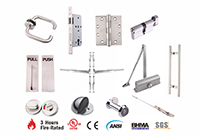
D&D Hardware offers a complete range of healthcare door hinges—from grade 304 and 316 stainless steel butt hinges to concealed and self-closing options—backed by UL, ANSI, BHMA, and CE certifications. To discuss your project requirements, reach out to the D&D Hardware team at sales@danddhardware.com.
A UL 10C door hinge is a hinge tested and certified to the UL 10C positive pressure fire test standard. It is approved for use on fire-rated door assemblies, confirming the hardware will perform during a fire and help keep the door intact. This certification is widely required for fire doors across North America.
Grade 304 stainless steel suits most interior healthcare doors, offering strong corrosion resistance and easy sanitization. Grade 316 stainless steel is best for labs, sterile areas, and high-moisture zones because its added molybdenum resists aggressive disinfectants and chemicals. Choose 316 when chemical exposure is heavy.
Healthcare facilities clean doors frequently with harsh disinfectants. Corrosion-resistant stainless steel hinges withstand these chemicals without rusting or pitting. Their smooth, non-porous surfaces also resist bacterial buildup, directly supporting infection control and patient safety.
Wide-throw hinges let doors swing fully clear of the frame, adding clearance for wheelchairs, gurneys, and equipment. This helps facilities meet accessibility standards and allows medical staff to move beds and carts through doorways without obstruction.
Ball-bearing stainless steel hinges are ideal for recovery wards and patient rooms. The bearings allow smooth, near-silent door movement even on heavy, high-cycle doors, reducing noise that could disturb resting patients.
You can source certified healthcare door hinges from an established UL 10C door hinge manufacturer such as D&D Hardware. D&D Hardware operates an ISO 9001 certified factory, offers UL, ANSI, BHMA, and CE certified hinges, and provides compliance documentation for healthcare projects. Contact sales@danddhardware.com for detail.