Views: 0 Author: Site Editor Publish Time: 2026-10-07 Origin: Site


No. A UL 305 panic bar is certified as life-safety egress hardware, but it is not automatically approved for installation on a fire-rated door. For that, the same device must also carry a UL 10C listing, which tests the hardware's ability to withstand fire and positive pressure conditions alongside the door assembly. Specifying UL 305 alone on a fire door opening is one of the most common — and costly — mistakes made by architects, contractors, and door hardware distributors.
UL 305 is the standard for "Panic Hardware," and it certifies that a device allows occupants to exit a building quickly and reliably during an emergency. According to UL's testing criteria, a UL 305 panic bar must release under a specified force and cycle count without jamming, making it the baseline requirement for any exit device used on a means-of-egress door.
UL 305 does not test the hardware's behavior in a fire. It says nothing about how the device performs when exposed to flame, heat, or the pressure differential created inside a burning building. This is the gap that catches so many buyers off guard: a UL 305 listing proves the hardware is safe for daily emergency exit, not that it is suitable for a fire-rated opening.
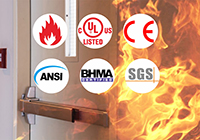
UL 10C is the "Positive Pressure Fire Tests of Door Assemblies" standard, and it certifies that a complete door assembly — including the panic hardware mounted on it — maintains its fire rating under real fire conditions. Unlike UL 305, UL 10C evaluates the door, frame, and hardware together as a system, under positive pressure that mimics how smoke and flame actually behave in a structure fire.
This distinction matters because a panic bar that performs flawlessly in a UL 305 egress test can still compromise a fire door's rating if it hasn't been validated under UL 10C. Gaps, thermal expansion, or hardware penetration points that pass daily-use testing can become fire-rating failures under positive pressure conditions.
A fire-rated door with panic hardware needs dual certification because the opening must perform two separate jobs simultaneously: let people out safely (UL 305) and contain fire and smoke for its rated duration (UL 10C). Meeting only one standard leaves the other function unverified.
This is also why established hardware brands clearly separate their product lines by certification. Adams Rite, for example, distinguishes its "Life Safety" panic hardware series — UL 305 only, intended for non-rated egress doors — from its "Fire Rated" series, which carries both UL 305 and UL 10C listings for use on fire doors. Buyers who overlook this distinction risk specifying hardware that is legal for egress but non-compliant for the fire rating of the opening, which can fail inspection or void the door assembly's listing entirely.
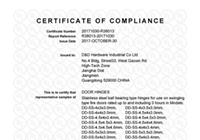
To confirm compliance, check the hardware's listing documentation for both UL 305 and UL 10C certification numbers, and verify that the specific device model — not just the product family — appears on the manufacturer's fire door listing. Panic hardware is often certified for use only up to a specific door width, rating duration (e.g., 3-hour vs. 1.5-hour), and mounting configuration, so the paperwork needs to match the exact opening being specified.
Three things to request from any panic hardware supplier for a fire-rated project:
The UL 10C fire door listing that names the specific panic bar model
The maximum fire rating duration the hardware is approved for
Confirmation of compatible door and frame construction (hollow metal, wood core, etc.)
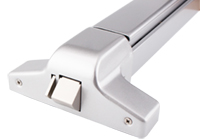
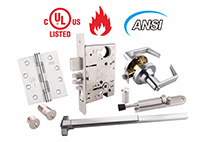
For door factories, distributors, and contractors sourcing panic hardware for fire-rated openings, working with a UL 10C panic bar supplier that holds both certifications on the same product line removes the guesswork from compliance. D&D Hardware manufactures panic exit devices — including its ANSI Grade 1 fireproof push bar and stainless steel fire-rated panic door bar models — that carry both UL 305 and UL 10C listings, so the hardware is validated for egress performance and fire-rated door assemblies in a single product.
This dual-certification approach is particularly relevant for project buyers managing door hardware schedules across education, healthcare, hospitality, and commercial buildings, where fire doors and egress requirements frequently overlap on the same opening.
Can I use the same panic bar model on both fire-rated and non-rated doors?
Only if that specific model holds both UL 305 and UL 10C listings. Some manufacturers produce separate hardware for rated and non-rated openings, so always verify the listing for each application before specifying one model across multiple door types.
Does UL 10C certification expire or need to be reverified?
UL listings are tied to the manufacturer's ongoing compliance program, and listed products are subject to periodic follow-up inspections by UL. Buyers should request current listing documentation rather than relying on older catalog certifications, since product updates can affect a listing's validity.
Who is responsible for verifying UL 10C compliance on a project — the contractor or the hardware supplier?
Responsibility is typically shared: the hardware supplier must provide accurate listing documentation, while the contractor or door hardware consultant is responsible for confirming that the specified hardware matches the fire rating and configuration called for in the project's door schedule.