Views: 0 Author: D and D Hardware Publish Time: 2026-07-06 Origin: D and D Hardware


Choosing the right UL fire door hardware supplier is about more than finding the lowest price. In commercial construction projects, the supplier you choose can directly impact product quality, project schedules, fire safety compliance, and long-term maintenance costs.
Whether you are a door manufacturer, distributor, contractor, or project buyer, evaluating suppliers before placing an order helps reduce procurement risks and ensures your project is supported by a reliable manufacturing partner.

This checklist provides a practical framework for assessing potential suppliers, allowing you to make informed purchasing decisions based on quality, capability, and long-term value rather than price alone.
Before selecting a supplier, make sure they can answer "Yes" to most of the following questions:
Evaluation Item | Why It Matters |
Does the supplier provide UL fire rated products? | Supports project compliance and fire safety requirements. |
Do they manufacture commercial door hardware? | Indicates experience with commercial applications. |
Do they have a complete product range? | Simplifies procurement and ensures product compatibility. |
Do they have a quality control system? | Improves product consistency and reduces defects. |
Can they provide OEM or private label services? | Supports brand development and customized requirements. |
Do they have export experience? | Helps ensure smooth international shipping and documentation. |
Can they provide technical documentation? | Assists specification, installation, and project approval. |
Do they offer responsive after-sales support? | Helps resolve issues quickly during and after delivery. |
If the answer is "No" to several of these questions, it may be worth evaluating additional suppliers before making a purchasing decision.

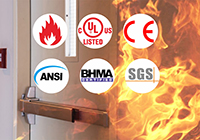
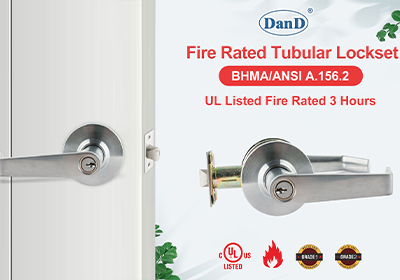
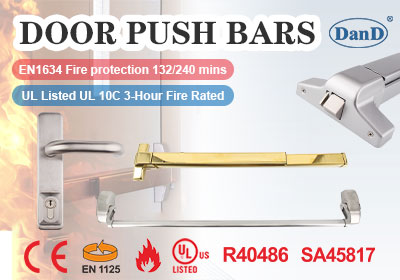
The first step is confirming that the supplier can provide products with the certifications required for your market and project.
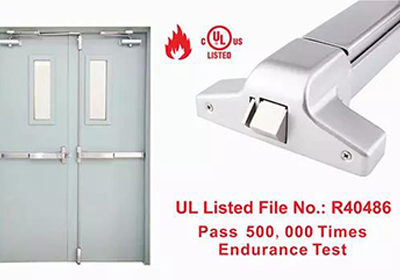
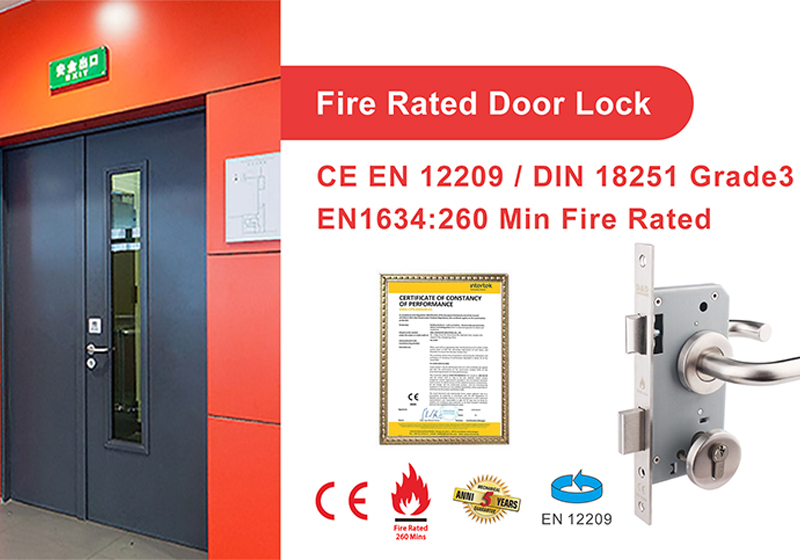
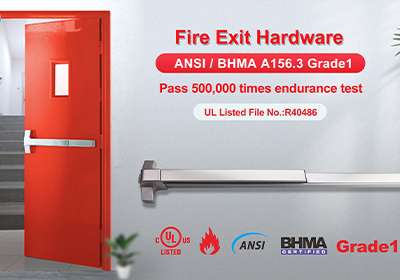
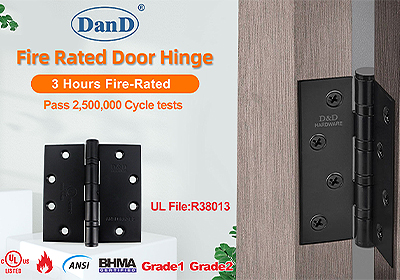
For commercial fire door projects, buyers should request relevant certification documents and verify that the products meet applicable fire safety requirements.
Besides certification, ask whether the supplier can provide supporting documents such as product specifications, technical datasheets, and test reports. A professional supplier should be prepared to provide this information during the quotation stage.

Not every supplier is a manufacturer, and not every manufacturer has experience serving commercial projects.
Look for suppliers with proven experience in producing commercial door hardware for international markets. Experienced manufacturers are generally more familiar with project specifications, quality requirements, and production planning.
Questions to ask include:
•How many years have you been manufacturing commercial door hardware?
•Which countries or regions do you export to?
•What types of commercial projects have you supported?
•Can you provide references or project examples?
A manufacturer with extensive industry experience is often better equipped to support long-term business partnerships.
Purchasing hardware from multiple suppliers can increase procurement complexity, lead to compatibility issues, and raise logistics costs.
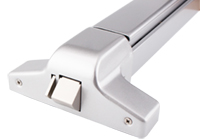
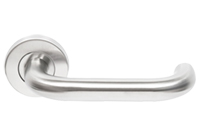
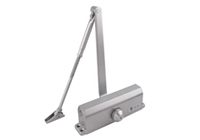
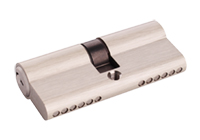
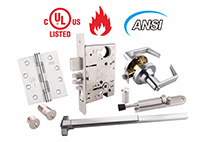
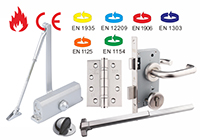
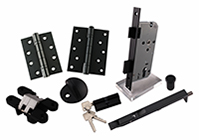
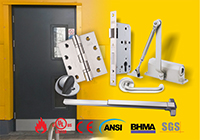
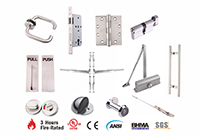
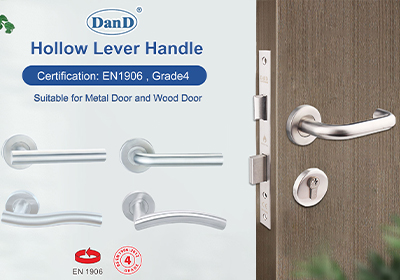
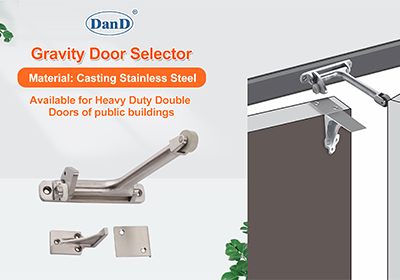
A reliable supplier should offer a comprehensive range of commercial door hardware, including products such as:
•Door Handles
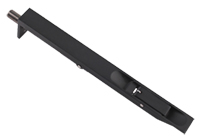
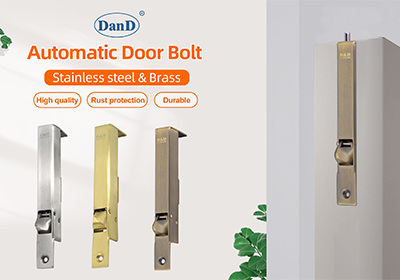
•Flush Bolts
•Door Coordinators
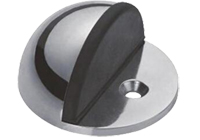
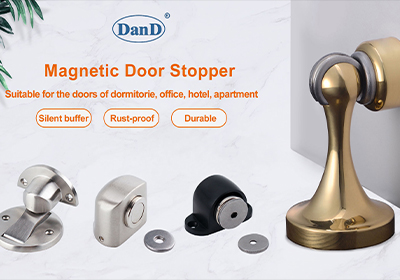
•Door Stops
•Lock Cylinders
Working with one supplier for multiple product categories can improve consistency and simplify project management.

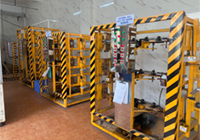
Consistent product quality depends on an effective quality management system rather than final inspection alone.
Ask suppliers about their inspection process, including:
•Raw material inspection
•In-process quality control
•Finished product inspection
•Packaging inspection
Professional manufacturers should also be able to explain how they manage product traceability and address quality issues if they occur.
Strong quality control helps reduce product defects, installation problems, and costly replacements.

Commercial projects often require more than standard product quotations.
A professional supplier should be able to provide:
•Technical drawings
•Product specifications
•Installation guidance
•Product recommendations
•Hardware scheduling support
•Certification documentation
This level of support helps procurement teams avoid specification errors and improves communication between suppliers, contractors, and project managers.

On-time delivery is just as important as product quality.
Before placing an order, ask about:
•Standard production lead times
•Monthly production capacity
•Minimum order quantities (MOQ)
•Delivery schedules
•Packaging options
•Export documentation
A supplier with stable production planning is better prepared to support both standard orders and large commercial projects without unnecessary delays.
Many procurement problems can be traced back to incomplete supplier evaluations. Some of the most common mistakes include:
•Choosing a supplier based only on price.
•Failing to verify certifications before ordering.
•Ignoring quality control capabilities.
•Purchasing different hardware products from multiple suppliers without considering compatibility.
•Overlooking communication efficiency and technical support.
Evaluating suppliers from multiple perspectives can help minimize these risks and improve procurement outcomes.
Supplier evaluation helps ensure consistent product quality, reliable delivery, and compliance with project requirements. It also reduces the risk of delays, product failures, and unexpected procurement costs.
It depends on your purchasing strategy. However, manufacturers often provide better production control, technical support, customization options, and long-term supply stability.
Typical documents include certification records, product specifications, technical datasheets, installation instructions, and quality inspection reports.
Yes. Working with a supplier that offers multiple categories of commercial door hardware can simplify purchasing, improve product compatibility, and reduce logistics costs.
Selecting a fire door hardware supplier should be based on a comprehensive evaluation rather than a single factor such as price. By reviewing certifications, manufacturing experience, product range, quality control, technical support, and production capability, buyers can identify suppliers that are better equipped to support commercial projects.
For distributors, contractors, and commercial door manufacturers, a structured supplier evaluation process helps reduce procurement risks while building long-term partnerships with reliable manufacturers.