Views: 0 Author: D and D Hardware Publish Time: 2026-09-24 Origin: D and D Hardware


A distributor earns repeat orders when a contractor can ask for the same approved item months later and receive the right model, finish and supporting documents. A broad catalog alone does not deliver that result. The real work is deciding which UL fire rated door hardware to stock locally, which variants to source against a project, and how to preserve the approved specification through replenishment.

This article is part of the UL Fire Rated Commercial Door Hardware Procurement Center. Its focus is the regional distribution operation: turning manufacturer supply into a range that can be sold and replenished consistently. The applicable door assembly, project specification and local authority still govern the hardware used on each opening.

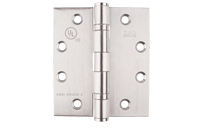
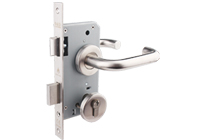
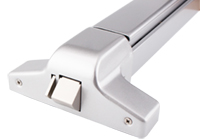
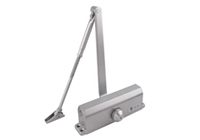
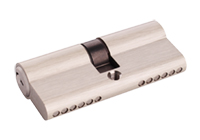
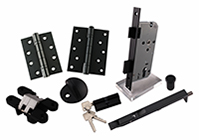
Start with actual inquiries from contractors and door shops in the territory. Group them by opening type and function, then review the models and finishes requested repeatedly. A core range might include common commercial hinges, mortise locks, door closers and fire exit hardware. Stock only the configurations that have a demonstrable local use; a panic device requested for one unusual project need not become a standard warehouse item.
Create a short approved-SKU sheet for each stocked product: model, function, dimensions, finish, pack quantity, applicable listing reference and reorder lead time. Keep standard commercial hardware separate from products offered for rated openings. Sales staff should be able to tell whether an item is in stock, available by production order or requires technical review before quotation.
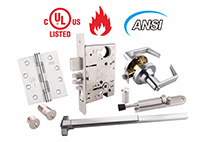
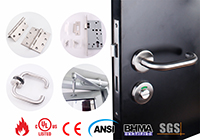
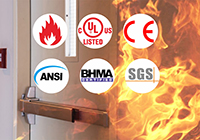
A certification statement belongs to a particular product and its listed conditions, not to a whole catalog category. D&D Hardware is a fire door hardware manufacturer with UL 10C file references for butt hinges and concealed hinges (R38013), mortise locks (R40901), door closers (R40717) and fire exit hardware (R40486). Its UL 305 panic hardware carries file SA45817. The distinction between panic hardware and fire exit hardware matters for rated exit openings.


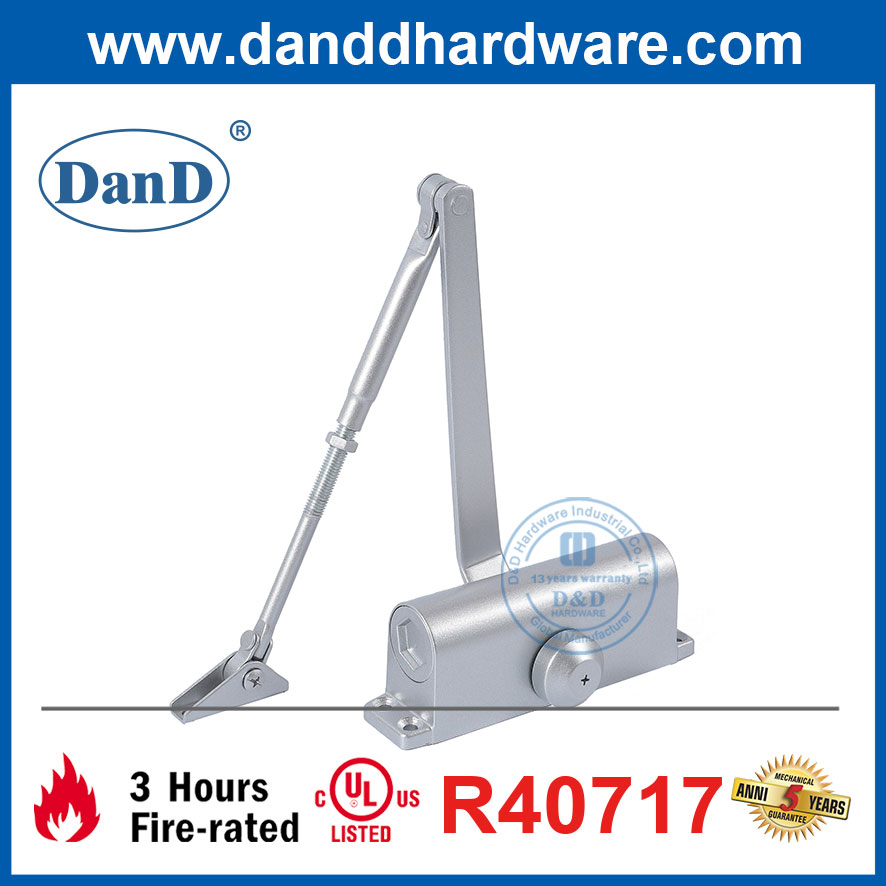
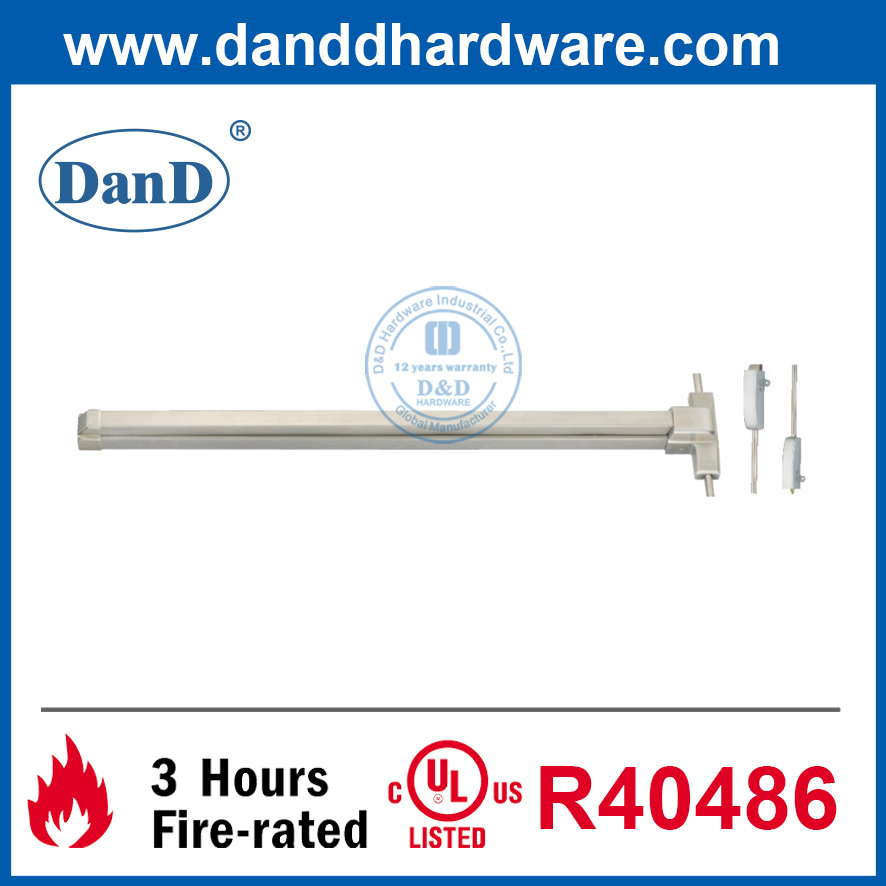
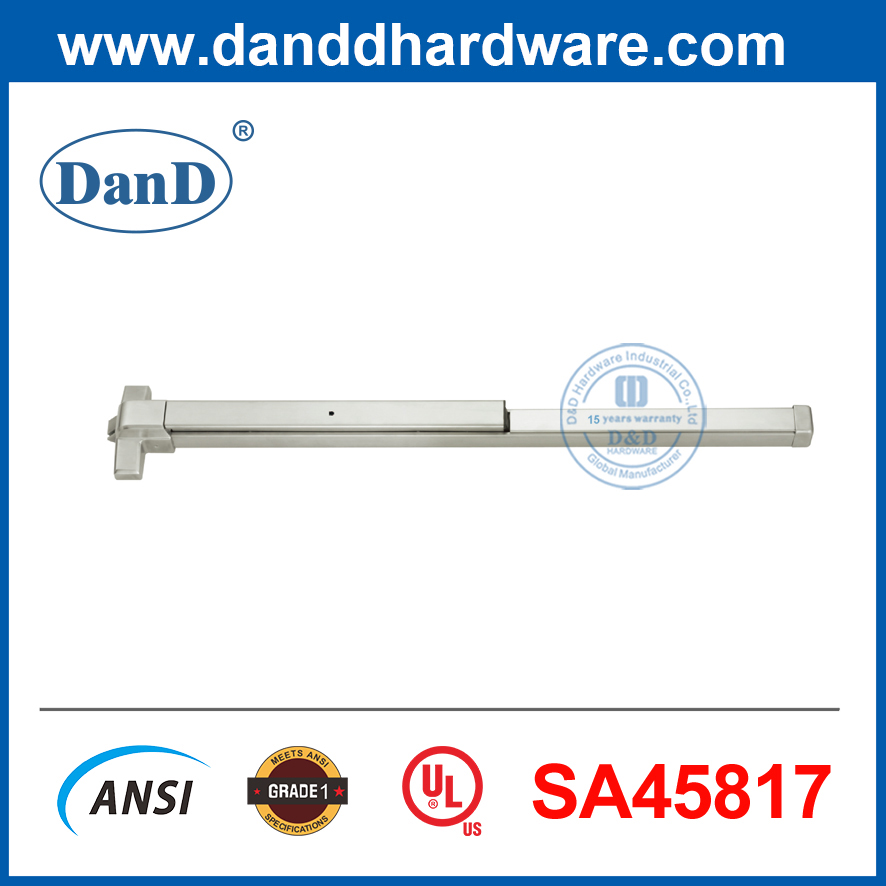

For each saleable SKU, retain current model-level listing evidence, technical dimensions and installation instructions. Check the relevant listing and door assembly requirements before claiming suitability. If a manufacturer updates a model or a finish, review the distributor record before replacing the old SKU in the sales system. The file number is a route to verification, not permission to treat all variants as interchangeable.

Use three purchasing rules. Keep repeat-demand SKUs as core stock with a defined minimum. Reserve inventory against a confirmed customer order when delivery is promised for a named job. Buy unusual functions, special finishes and low-frequency devices only after the project specification has been checked.
This protects cash without making the sales team promise immediate availability for every catalog item. It also reduces the chance that a visually similar product will be substituted for an approved one. Where a project requires an uncommon item, quote a realistic manufacturing lead time and confirm the details before taking the deposit or issuing a purchase order.
Review usage for each core SKU over a relevant period, then add the demand expected during the full replenishment lead time. That lead time includes order confirmation, production or picking, transport, customs where applicable, and warehouse receiving. A modest safety quantity can cover ordinary variation, but the number should be based on the SKU's demand pattern and service promise, not a blanket percentage.
For example, a hinge sold every week needs a different trigger from an exit device sold a few times per quarter. Project orders should be tracked separately so a single large contract does not distort the regular reorder level. Record stockouts and lost quotations: they reveal whether the range or the trigger needs changing.
The distributor's product record should link the manufacturer model to the local SKU, approved sample, finish code, carton quantity, packaging label, drawings and documentation version. If a component or design changes, request a change notice and evaluate the effect on customer approvals and existing stock. Mixed revisions in one bin are difficult to explain at the counter and can cause costly returns.
D&D can discuss these records as part of a repeat manufacturing program across its commercial hardware categories. The practical value of working with a manufacturer is the ability to confirm production specifications, packaging and later batches against an agreed reference. Availability and continuity should still be set out in the quotation and order terms.

Give both teams the same current SKU record. Sales needs the approved application, listing evidence, lead time and available quantity. The warehouse needs recognizable carton and product labels, pack quantity and instructions for separating look-alike finishes or functions. When an order is allocated to a project, remove that quantity from the stock shown as freely available.
Keep a clear escalation path for technical questions. A sales representative should not guess that a different lock function or device is equivalent because it fits the opening. Ask the project team to approve any proposed substitution, and retain the decision with the customer order. This makes a regional commercial door hardware distributor easier to buy from and easier to audit.
Add a variant when repeated lost sales, named project pipelines or recurring door-manufacturer demand justify it. Test it with a controlled quantity before assigning permanent warehouse space. Review sell-through, gross margin, returns, documentation requests and replenishment reliability together; high sales with frequent mismatches may not be a healthy SKU.
For a regional distributor, the strongest fire door hardware supply solution is a small, verified core supported by a clear path for project-specific orders. Ask D&D for model-level documentation, packaging details and repeat-order terms for the categories your customers actually use. That creates a manufacturer-backed range which can grow with demand while keeping UL claims and inventory decisions accountable.