Views: 0 Author: D&D Hardware Publish Time: 2026-06-05 Origin: D&D Hardware


Quick answer:
Before ordering BHMA door hinges from a Chinese manufacturer, buyers must verify exact BHMA grade service life, NFPA 80 fire testing compliance, material thickness, and original BHMA certificates. Asking these ten critical questions ensures you secure high-quality, compliant hardware while avoiding costly project delays and safety liabilities.
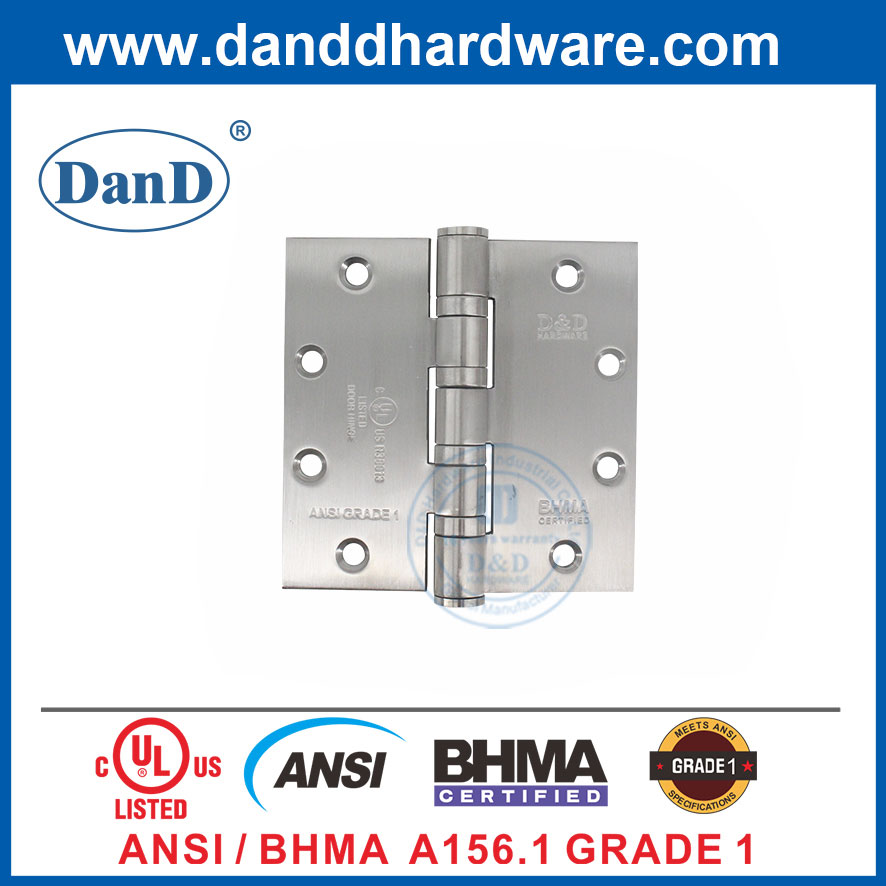
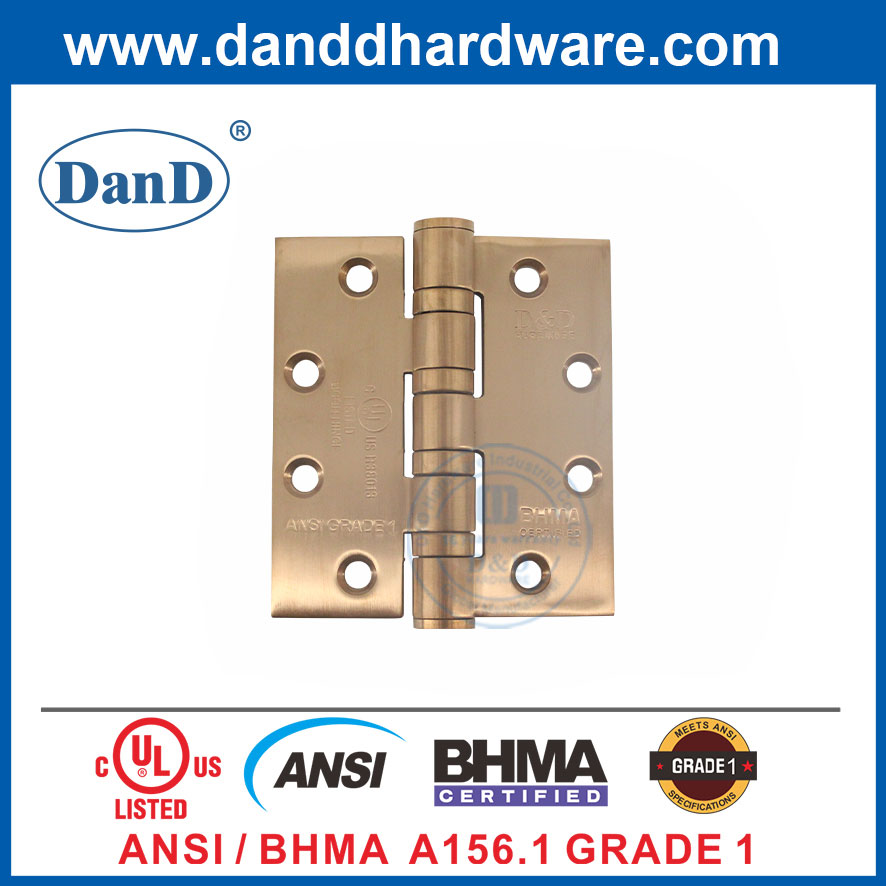
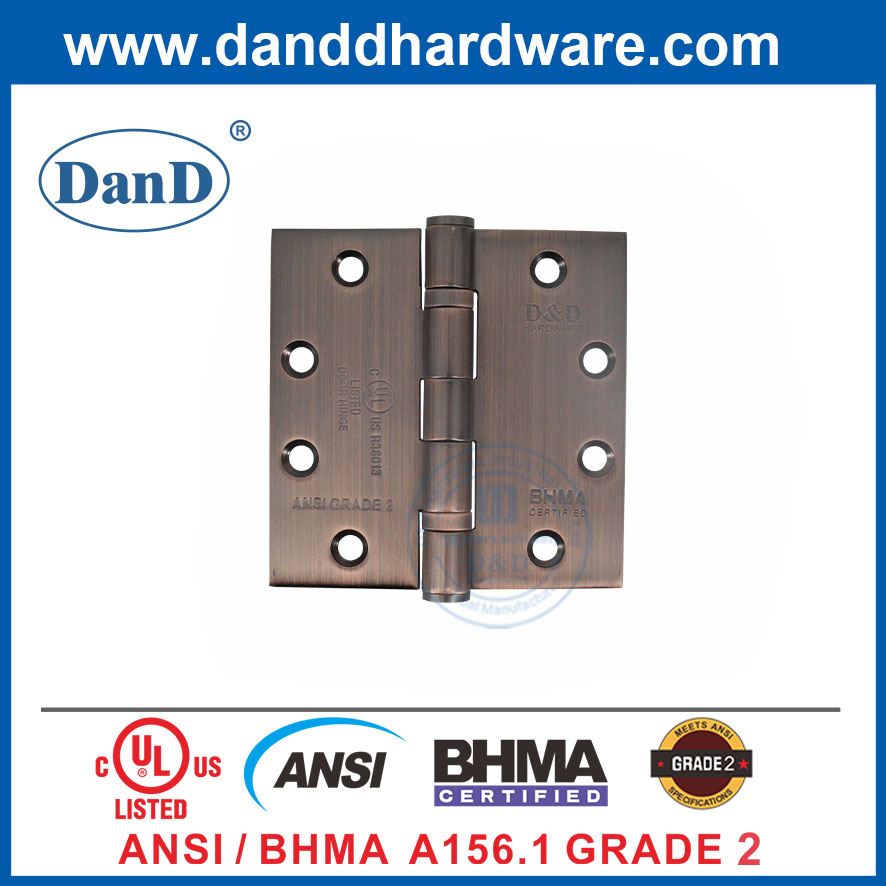
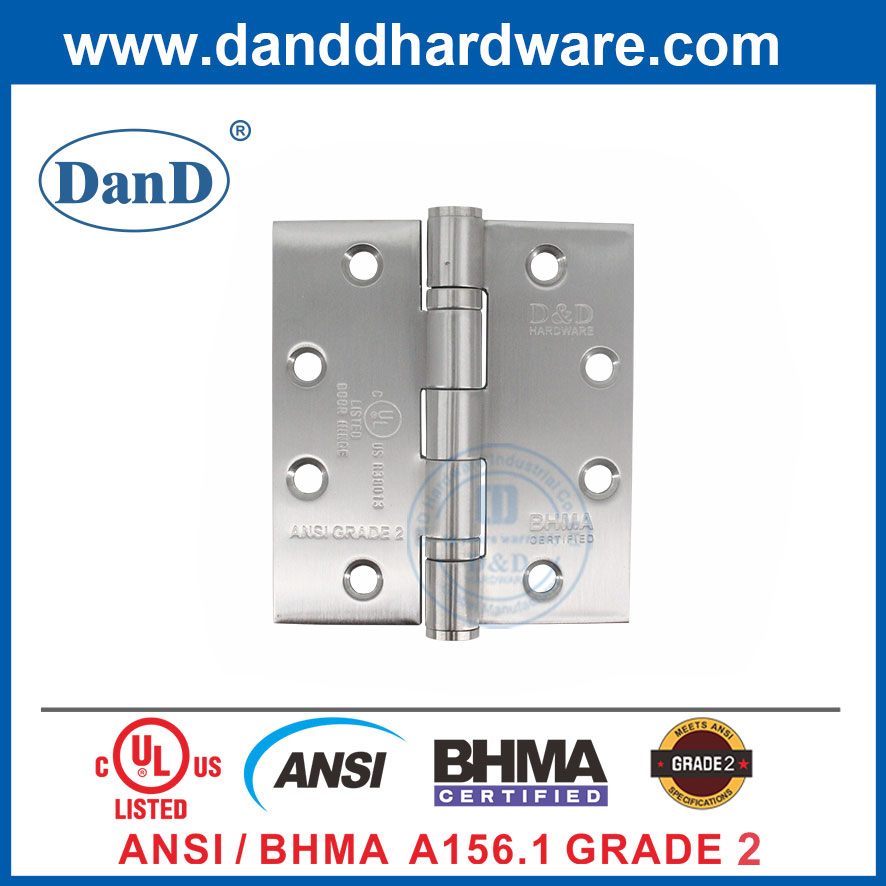
Procuring commercial door hardware from overseas offers significant cost advantages for large-scale construction projects. However, securing reliable products requires strict due diligence. Commercial buildings require hardware that withstands heavy daily use and meets stringent fire safety codes. Relying on an unverified supplier can lead to failed building inspections, compromised security, and expensive hardware replacements.
To protect your investment, you need a structured approach to vetting potential partners. Evaluating a door hinge manufacturer involves digging into their testing protocols, production capabilities, and regulatory compliance.
By asking the right questions upfront, you can easily distinguish between a dependable partner like D&D Hardware and a substandard factory. Here are the top 10 questions you must ask your prospective bhma door hinge manufacturer before signing a purchase order.

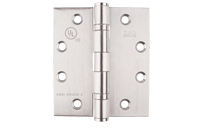
The Builders Hardware Manufacturers Association (BHMA) classifies door hardware based on strict performance standards. You must ask the manufacturer to state the exact cycle lifespan of their product. According to BHMA standards, a Grade 1 BHMA door hinge lasts for 1 million cycles, making it suitable for high-traffic commercial environments like schools and hospitals. Grade 2 hinges typically endure 500,000 cycles, serving medium-traffic areas. Choose a Grade 1 BHMA door hinge if long-term durability matters more than the initial procurement cost.
Commercial hinges support heavy fire doors, meaning material thickness directly impacts structural integrity. Ask the manufacturer to provide the exact gauge of the stainless steel or brass used. Additionally, inquire about the surface treatment process. A proper electroplating or physical vapor deposition (PVD) finish prevents corrosion, rust, and premature wear. Requesting these specifications ensures the hinges will perform reliably in harsh environmental conditions.
Fire safety is an absolute non-negotiable factor in commercial building construction. The National Fire Protection Association (NFPA) 80 standard regulates the installation and maintenance of assemblies used to protect openings in walls, floors, and ceilings against the spread of fire and smoke. Ask the supplier exactly how their products comply with NFPA 80 regulations for fire door hinges. They should be able to explain their fire rating durations (such as 3-hour fire ratings) and the specific materials that allow the hinge to maintain integrity during intense heat.
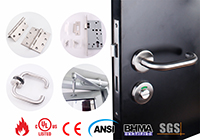
In-house testing holds very little weight when building inspectors evaluate a commercial property. A reputable bhma door hinge manufacturer will gladly provide testing documentation from recognized independent laboratories. Look for reports from organizations like Underwriters Laboratories (UL), Intertek (Warnock Hersey), or SGS. This documentation proves that the hinges actually meet the cycle and fire resistance claims made by the factory.
Understanding the financial logistics of the partnership is essential for project budgeting. Factories operate with different production thresholds. Some require massive bulk orders, while others accommodate smaller, phased shipments. Ask for a clear breakdown of the minimum order quantity and the sliding scale for pricing. This helps you determine if the manufacturer aligns with your specific procurement schedule and overall budget.
Project delays cost construction companies thousands of dollars daily. You need a clear timeline from production to final delivery. Ask the supplier about their standard lead times for manufacturing BHMA door hinges. Furthermore, inquire about their logistics partnerships and shipping methods. An experienced door hinge manufacturer will have streamlined freight forwarding processes and can provide accurate estimates for customs clearance and container shipping.
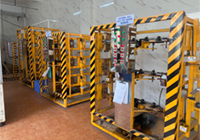
Transparency is a strong indicator of a trustworthy supplier. Request permission to conduct a factory audit. Reliable manufacturers welcome third-party inspection agencies (like SGS or TÜV) to verify their production lines, quality control systems, and working conditions. For example, D&D Hardware operates an ISO 9001 certified, SGS-audited factory. If a supplier refuses an independent inspection or virtual factory tour, consider that a major red flag.
Even with rigorous quality control, manufacturing defects occasionally occur. A robust warranty protects your bottom line. Ask the supplier to detail their after-sales support and warranty terms. You need to know how long the coverage lasts and what the replacement process entails if a hinge fails prematurely. Premium suppliers often provide comprehensive coverage, such as the 10-year mechanical guarantee offered by D&D Hardware.
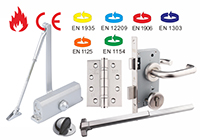
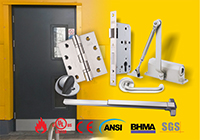
A factory's export history reveals their familiarity with regional building codes. Ask the manufacturer to list their primary export markets. If they regularly ship to the USA, the European Union, or the Middle East, they already understand strict regulatory frameworks like ANSI/BHMA, CE, and UL standards. Partnering with a manufacturer experienced in your specific region greatly reduces the risk of compliance failures upon import.
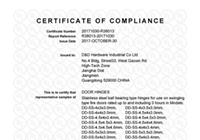
Never accept a photocopy or an unverified digital image of a certification. Counterfeit certificates remain a persistent issue in overseas manufacturing. Demand the original BHMA certificate for the exact hinge model you intend to purchase. You can then cross-reference the certificate number directly with the official Builders Hardware Manufacturers Association certified products directory to ensure complete authenticity.
Sourcing commercial hardware requires meticulous attention to detail. By demanding clear answers regarding NFPA 80 compliance, cycle testing, and verifiable certifications, you mitigate risk and protect your commercial project. Prioritize manufacturers with proven international expertise, transparent testing protocols, and robust warranty policies to ensure your buildings remain safe and compliant for decades to come.

Prices vary based on material, finish, and order volume, but sourcing directly from a Chinese manufacturer typically reduces costs by 30% to 50% compared to domestic wholesale prices. Always request an itemized quote that includes freight and customs fees to calculate the true landed cost.
Standard production lead times range from 30 to 45 days, depending on factory capacity and order size. Ocean freight adds an additional 20 to 40 days depending on the destination port, so buyers should allocate a total lead time of roughly 10 to 12 weeks.
Installing uncertified hinges in commercial buildings severely risks structural failure, voided insurance policies, and failed fire safety inspections. Non-compliant hardware wears out quickly under heavy use, forcing costly premature replacements and endangering building occupants during emergencies.
Yes. If your project is located in Europe or the Middle East, CE certification (under the BS EN 1935 standard) serves as the primary alternative to BHMA. Choose a manufacturer like D&D Hardware that holds multiple international certifications (UL, CE, ANSI) to satisfy varying regional building codes.
The purchasing organization or project contractor holds the final responsibility for verifying hardware compliance. Buyers must request the original certificate from the manufacturer and independently confirm its validity through the official BHMA Certified Products Directory online.
For further information about fire rated door hardware or any of our services, please click to Contact us Now:
Contact: David Jian
Mobile No.: 0086-139 2903 7292
Email: sales@danddhardware.com