Views: 0 Author: D and D Hardware Publish Time: 2026-06-16 Origin: D and D Hardware


TL;DR:
The top trends for BHMA door hinges in 2026 and 2027 include the rapid adoption of corrosion-resistant PVD coatings, standardizing 3D concealed designs in commercial projects, integrating smart sensor modules, scaling up fire-rated hardware for ultra-large doors, and transitioning to eco-friendly manufacturing processes.
Securing commercial buildings requires hardware that can withstand heavy traffic, strict safety codes, and shifting architectural preferences. Builders and architects constantly seek components that balance robust performance with modern design. Staying ahead of hardware innovations ensures that commercial properties remain compliant, safe, and visually appealing.
A certified bhma door hinge guarantees that the hardware has passed rigorous testing for durability, strength, and performance. As building standards evolve, the technology behind these essential components advances rapidly. Industry reports indicate a massive shift toward smarter, safer, and more sustainable hardware solutions over the next few years.
Understanding these upcoming shifts helps project managers and specifiers make informed purchasing decisions. This guide explores the five major trends defining the future of commercial hinges, helping you navigate the changing landscape of building materials and select the right components for your next major project.
Corrosion-resistant materials are accelerating their adoption across the commercial construction sector. Facilities such as hospitals, coastal resorts, and industrial plants face severe environmental challenges that degrade standard hardware quickly. To combat this, a leading door hinge manufacturer will now prioritize advanced material compositions and surface treatments.
The demand for high-grade stainless steel paired with powder coating or Physical Vapor Deposition (PVD) coating is increasing significantly. PVD coating bonds at the molecular level, creating a finish that resists scratching, fading, and oxidation far better than traditional plating.
Choose PVD-coated stainless steel hinges if long-term durability in high-moisture or corrosive environments matters more than initial budget savings. For standard interior office applications, high-quality powder-coated options offer an excellent balance of cost and performance.

Architects increasingly prefer clean, uninterrupted sightlines in high-end commercial and residential spaces. This preference pushes concealed hinges and adjustable designs from niche luxury items to standard features in premium builds. The traditional bulky knuckle hinge is frequently being replaced by sophisticated hidden mechanisms.
Three-dimensional (3D) hidden form hinges continue to undergo rapid iteration. These advanced hinges allow installers to adjust the door vertically, horizontally, and in depth without removing the door from the frame. This micro-adjustability ensures a perfect fit, which is especially critical for heavy solid wood or metal doors that may settle over time.
D&D Hardware, a reputable bhma door hardware manufacturer, recognizes that standardizing these 3D adjustable designs significantly reduces installation time and minimizes maintenance call-backs for building management teams.
The boundary between electronic security and mechanical hardware is disappearing. The trend of automation and intelligent hinges is primarily driven by the explosion of smart home and smart office applications. Building managers now expect doors to do much more than simply open and close.
Manufacturers are actively promoting hinge solutions equipped with built-in sensor modules. These intelligent hinges can detect door position, monitor usage frequency, and integrate directly with building management systems (BMS) or access control networks. This data helps facility managers track occupancy and secure restricted areas without installing bulky external sensors.
Furthermore, automated door closers are increasingly being integrated directly into the hinge mechanism itself. This integration removes the need for surface-mounted closers, maintaining the door's aesthetic integrity while complying with accessibility and fire safety mandates.
Safety codes are becoming more stringent globally, driving hardware engineering to new limits. The upgrade of fire protection and safety regulations has led to a significant increase in the demand for robust, highly certified components. Fire-rated doors must maintain their structural integrity during extreme heat to compartmentalize smoke and flames effectively.
This regulatory shift directly fuels the demand for ultra-large door hinges that meet comprehensive UL/ULC, NFPA 80, and BHMA fire resistance standards. Modern commercial architecture frequently incorporates oversized, heavy doors to create grand entryways or facilitate equipment movement. Securing these massive doors during a fire emergency requires specialized, heavy-duty hardware that has undergone extreme testing.
When specifying hardware for oversized fire doors, always verify that the specific hinge model carries an independent third-party certification (like UL 10C) matching the exact weight and dimension ratings of the door assembly.
Environmental impact dictates purchasing decisions for major construction projects, especially those aiming for LEED certification. Sustainable and environmentally friendly manufacturing has moved from a marketing talking point to a core operational requirement.
Hardware producers are aggressively phasing out toxic chemicals traditionally used in metal finishing. The industrial application of environmentally friendly electroplating drastically reduces hazardous wastewater and volatile organic compound (VOC) emissions. Furthermore, manufacturers are increasingly sourcing recycled steel and brass to forge new hinges, creating a circular economy within the hardware sector.
By partnering with a forward-thinking door hinge manufacturer that utilizes recycled materials and green manufacturing processes, construction firms can lower their project's overall carbon footprint while maintaining strict BHMA performance standards.

The next two years will redefine what architects and builders expect from a standard door hinge. From PVD coatings that resist harsh environments to hidden 3D mechanisms and smart sensors, these components are becoming highly specialized pieces of technology. Meeting strict NFPA 80 fire codes and adhering to sustainable manufacturing practices will soon be the baseline for any credible supplier.
To ensure your upcoming commercial projects remain compliant and cutting-edge, evaluate your current hardware specifications against these emerging trends. Reviewing your supply chain and partnering with an experienced bhma door hardware manufacturer like D&D Hardware ensures you have access to certified, reliable, and modern door opening solutions.
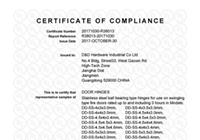
A BHMA-certified hinge has passed rigorous, independent testing by the Builders Hardware Manufacturers Association for cycle life, strength, and finish durability. These certified hinges guarantee a specific level of performance, which is legally required for many commercial building codes.
3D concealed hinges typically cost 30% to 50% more upfront than standard commercial butt hinges. However, the exact price difference depends on the weight capacity and finish. The increased initial cost is often offset by faster installation times and fewer maintenance adjustments.
Yes, smart hinges with integrated sensor modules can replace surface-mounted door position switches. These intelligent hinges conceal the wiring and sensors within the door frame, providing accurate real-time data to building management systems without compromising the door's appearance.
Building codes do not strictly mandate PVD coatings, but hardware consultants heavily recommend PVD-coated stainless steel for coastal applications. The PVD process creates a significantly more durable barrier against salt and moisture compared to standard powder coating or basic stainless steel.
Hinges used on fire-rated assemblies must meet NFPA 80 guidelines and carry certifications such as UL 10B or UL 10C. Furthermore, they must be made of steel or another approved base metal, and they must bear a visible stamp or mark indicating their fire-rating compliance.
For further information about door hinges or any of our services, please click to Contact us Now:
Contact: David Jian
Mobile No.: 0086-139 2903 7292
Email: sales@danddhardware.com