Views: 0 Author: Site Editor Publish Time: 2026-03-23 Origin: Site


Building safety relies heavily on small components that most people overlook on a daily basis. One of the most critical elements of any commercial or residential building is the fire door lock. When a severe emergency strikes, standard hardware easily melts, warps, or fails under extreme heat. This failure allows flames and toxic smoke to spread rapidly through corridors and stairwells.
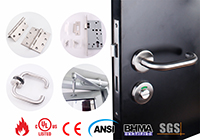
Fire-rated door locks are specialized hardware designed to maintain the integrity of fire doors (FD30/FD60/FD120) for 30 to 120 minutes during a fire. By keeping the door securely latched, these locks prevent the fire from feeding on fresh oxygen and give occupants valuable time to evacuate safely.
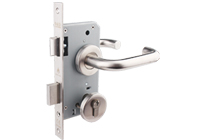
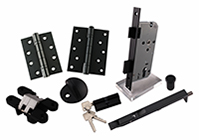
Among the most trusted options on the market is the BS EN12209 stainless steel 304 Euro fire rated mortise door lock. This specific type of lock combines high-grade materials with strict European testing standards to deliver unmatched security and heat resistance. We will explore exactly why this hardware is a necessity, how the BS EN12209 standard works, and what to look for when choosing the right manufacturer for your project.
Fire doors are only as effective as the hardware installed on them. You can have a thick, heavy-duty fire door, but if the latch fails after ten minutes of heat exposure, the door will swing open.
A certified fire rated door lock is built to withstand extreme temperatures while holding the door firmly inside its frame. This containment creates compartmentalization within a building. Fire compartmentalization divides a structure into manageable zones, trapping the fire in its area of origin.
Depending on the building's requirements, you will typically see doors rated as FD30, FD60, or FD120. These numbers represent the minimum minutes of fire resistance the door assembly provides. A high-quality mortise lock ensures the door actually meets these timeframes. In many rigorous tests, top-tier locks have even maintained their integrity for up to 260 minutes, far exceeding standard safety codes.
Building codes require strict adherence to specific testing standards, and BS EN12209 is a crucial one for door hardware. This British and European standard specifies the requirements and test methods for mechanically operated locks, latches, and locking plates.
When a lock carries the BS EN12209 certification, it means the product has undergone punishing durability, fire, and corrosion testing. For instance, a CE-marked mortise lock classified under this standard (such as the 3X910G3BC20 classification) has been verified for specific categories of use, door mass, fire resistance, and safety.
Using locks that meet this standard ensures that your building complies with legal safety regulations. It also guarantees that the lock will perform consistently over thousands of use cycles before an emergency ever occurs.
The materials and engineering behind a mortise lock determine its success in a fire. The BS EN12209 Euro mortise lock utilizes several distinct design choices to maximize safety and functionality.
Forend plates and strike plates take the brunt of daily physical impact and heat exposure during a fire. Using stainless steel 304 for these components is vital. This specific grade of steel offers exceptional heat tolerance and will not easily distort under pressure. Furthermore, it provides excellent corrosion resistance, passing 240-hour salt spray tests (EN1670). This makes it suitable for both interior and exterior applications, as well as humid environments like bathrooms.
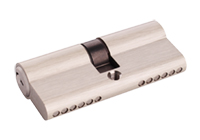
Standardization makes installation and replacement highly efficient. These euro mortise locks follow DIN 18251 dimensions, meaning they fit precisely into standard European door preparations. You can easily pair them with standard European profile lock cylinders, allowing for flexible master-keying systems across a large facility.
Versatility is incredibly important for large-scale building projects. These fire locks feature a reversible latch bolt. Installers can easily adjust the latch to accommodate both left-hand and right-hand hung doors on site, reducing the need to order separate part numbers for different door swings.

Sourcing hardware for a major construction or renovation project requires a partner you can trust. Because lives depend on the performance of these locks, you must evaluate your hardware supplier carefully.
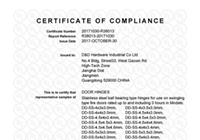
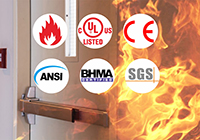
A reputable fire rated door lock manufacturer will have an extensive catalog of tested, certified products. Look for a factory that transparently shares its testing data, including UL 10C and CE EN1634 certifications. These documents prove that their hardware has been tested by independent third parties.
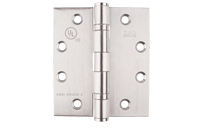
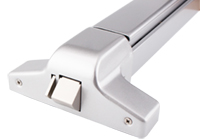
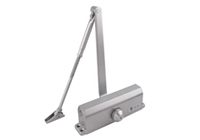
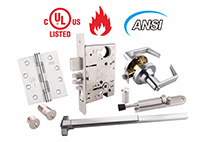
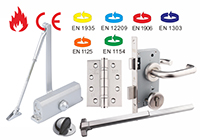
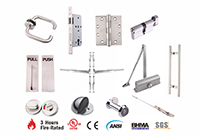
Furthermore, a great manufacturer offers complete door solutions rather than just isolated parts. They should understand how their mortise locks interact with fire-rated hinges, door closers, and panic exit devices. By sourcing all your fire-rated hardware from a single, knowledgeable manufacturer, you ensure that every component of the door assembly works together seamlessly to meet strict building codes.
EN1634 is the European standard specifically for fire resistance testing of door and shutter assemblies, including hardware. When a lock is EN1634 certified, it has been installed in a test door and exposed to a furnace fire to prove it will not cause the door to fail for a specified duration, such as 120 or 260 minutes.
No. Standard locks are often made from zinc alloys or lower-grade materials with low melting points. During a fire, these materials melt quickly, allowing the door to open and the fire to spread. You must only use certified fire-rated hardware on designated fire doors.
Fire door hardware should be inspected regularly to ensure it operates smoothly. The door must be self-latching and self-closing. Check that the strike plate is secure, the latch engages fully without extra force, and no obstructions (like wedge door stops) are preventing the door from closing properly.
Cutting corners on building materials often leads to devastating consequences. Fire doors act as the primary defense mechanism against the spread of smoke and flames, and their hardware is the anchor that holds that defense together.
By utilizing a BS EN12209 stainless steel 304 Euro fire rated mortise door lock, you equip your building with rigorously tested, highly durable technology. Ensure that you partner with a certified manufacturer to supply your hardware, and you will gain peace of mind knowing your facility is secure, compliant, and ready to protect its occupants.