Views: 0 Author: Site Editor Publish Time: 2026-11-18 Origin: Site


Quick answer:
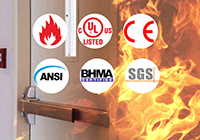
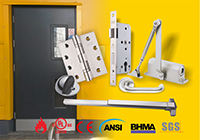
Buyers sourcing from a commercial door hardware manufacturer should prioritize UL certification for fire and life-safety compliance, CE marking for European market access, and ANSI/BHMA grading for performance and durability standards. These three certifications cover the majority of code requirements across commercial building projects and directly affect whether products pass project approval and inspection.
Sourcing door hardware for a commercial project is not the same as picking hinges and locks for a residential remodel. Architects, specifiers, and procurement teams working on hospitals, schools, airports, and office towers face a layer of scrutiny that residential buyers never encounter: code compliance, fire-rating requirements, and third-party certification. Get it wrong, and a shipment of otherwise well-made hardware can stall a project at the inspection stage.
This is where certifications become the real differentiator between suppliers. Any door hardware manufacturer can claim their products are durable or reliable. Far fewer can back that claim with documentation from UL, CE, or ANSI/BHMA testing bodies. For buyers evaluating door hardware manufacturers in China or elsewhere, understanding what these certifications actually mean — and why they matter for project approval — is essential before placing an order.
This guide breaks down the certifications that matter most when working with a commercial door hardware manufacturer, explains how each one affects your project timeline, and offers a framework for deciding which certifications your specific project actually requires.
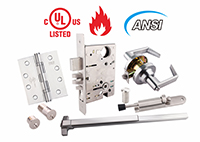
UL (Underwriters Laboratories) certification is a safety testing standard widely used across North America, particularly for fire-rated door assemblies. A UL-listed product has been independently tested to confirm it meets specific fire-resistance and life-safety performance criteria, such as how long a door closer or exit device can function under fire conditions before failing.
For commercial buildings, fire doors are frequently required by code in stairwells, corridors, and between fire compartments. Hardware installed on these doors — hinges, closers, panic exit devices, and locks — must carry UL fire ratings matching the door assembly's rating (commonly 20, 45, 60, or 90 minutes). Installing non-rated hardware on a fire-rated door opening can invalidate the door's entire fire rating, regardless of the door itself being certified.
Choose UL-certified hardware if your project involves fire-rated door assemblies in the U.S. or Canada, since most building codes in these regions explicitly reference UL listings during inspection and approval.
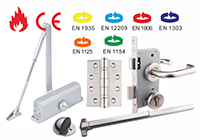
CE marking indicates that a product complies with European Union health, safety, and environmental protection standards. For door hardware specifically, CE marking typically ties back to the EN (European Norm) standards covering mechanical durability, fire resistance, and safety performance.
Unlike UL, which is primarily referenced in North American markets, CE marking is a legal requirement for placing door hardware on the market within the European Economic Area. A commercial door hardware manufacturer supplying hinges, closers, or panic hardware into EU-based projects without CE marking risks having shipments rejected at customs or flagged during project inspection.
Choose CE-marked hardware if your project is located in the EU or EEA, or if your client's specification explicitly references EN standards, which is common in international projects with European architectural oversight.
ANSI/BHMA refers to a joint standard developed by the American National Standards Institute (ANSI) and the Builders Hardware Manufacturers Association (BHMA). Unlike UL's focus on fire and life safety, ANSI/BHMA grading measures mechanical performance — cycle testing, load capacity, strength, and finish durability.
ANSI/BHMA assigns hardware a grade, typically Grade 1 (heavy commercial use), Grade 2 (light commercial use), or Grade 3 (residential use). A door closer or exit device rated ANSI/BHMA Grade 1 has passed cycle testing simulating years of heavy daily use, which matters significantly for high-traffic commercial environments like schools, hospitals, and airports where hardware failure translates directly into maintenance costs and safety risk.
Choose Grade 1 ANSI/BHMA-rated hardware for high-traffic commercial applications, and consider Grade 2 only for lower-traffic interior doors where budget constraints are a bigger factor than long-term durability.

Certifications are not just marketing claims; they directly determine whether a project passes inspection and receives occupancy approval. Building inspectors and code officials commonly check for UL listings on fire-rated openings, confirm ANSI/BHMA grading matches the specification document, and verify CE marking on products destined for EU jurisdictions.
When a commercial door hardware manufacturer cannot provide documentation for these certifications, procurement teams face real risk: failed inspections, project delays, and potential liability if non-compliant hardware is discovered after installation. This is particularly relevant for buyers sourcing from door hardware manufacturers in China, where certification practices vary significantly between suppliers. Requesting certification documents and test reports upfront, before placing a purchase order, protects both the project timeline and the buyer's professional reputation.
When vetting a door hardware manufacturer, look beyond a simple certification logo on a product page. Ask for the actual test reports and certificates tied to the specific product models you intend to order, not just a general company-level certification. Certifications can be product-specific, meaning a manufacturer might hold UL listings for certain hinges but not for every closer or exit device in their catalog.
It also helps to confirm which standards apply to your project before sourcing. A hospital project in Texas will prioritize UL fire ratings and ANSI/BHMA grading, while a mixed-use development in Germany will lean on CE marking and EN standards. Matching the manufacturer's certification portfolio to your project's jurisdiction avoids costly mismatches discovered too late in the construction process.
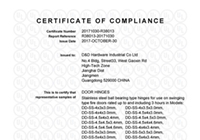
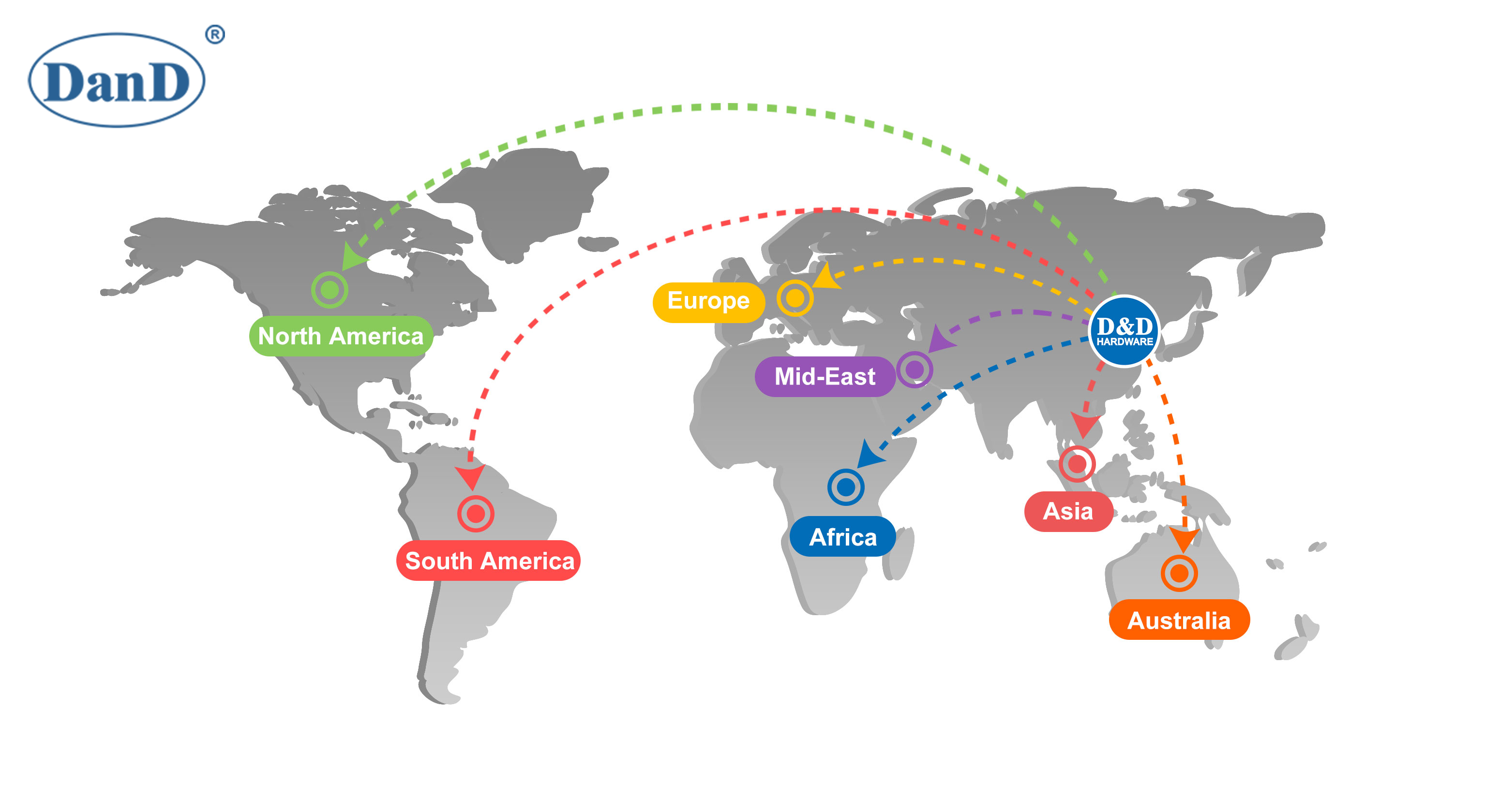
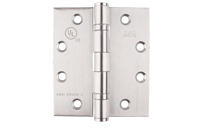
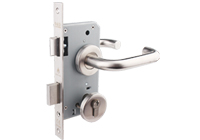
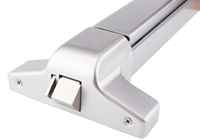
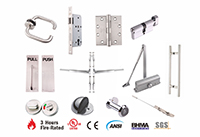
Manufacturers with decades of manufacturing experience and consistent export history to multiple regions, such as D&D HARDWARE, tend to maintain broader certification coverage because their products have already been vetted across different regulatory environments. D&D HARDWARE, based in Jiangmen City, Guangdong, China, manufactures UL and CE certified commercial door hardware, including hinges, locks, closers, and panic exit devices, and has exported to more than 70 countries.
Certifications are the clearest signal of whether a commercial door hardware manufacturer understands the regulatory demands of commercial construction. UL certification protects against fire and life-safety failures, CE marking ensures legal market access in Europe, and ANSI/BHMA grading confirms the mechanical durability your project's traffic levels actually require.
Before finalizing a supplier, request certification documentation for the exact product models you plan to order, confirm those certifications align with your project's jurisdiction and code requirements, and build in time for your procurement team to verify compliance before the order ships. Taking these steps upfront prevents the far costlier scenario of failed inspections after installation.
If you're evaluating door hardware manufacturers in China for an upcoming commercial project, D&D HARDWARE's certified product range — spanning hinges, locks, closers, and panic exit devices — is a practical starting point for comparing certification coverage against your project's requirements.
What is the difference between UL and CE certification for door hardware?
UL certification is primarily used in North America and focuses on fire resistance and life-safety performance. CE marking is a legal requirement for selling products in the European Economic Area and covers a broader range of safety and environmental standards defined by EN norms. Projects located in North America typically require UL, while EU-based projects require CE.
Do all commercial door hardware products need to be fire-rated?
No. Fire-rating requirements apply specifically to door openings located in fire-rated walls, stairwells, and corridors as defined by local building codes. Interior office doors or non-fire-rated partitions typically do not require UL-listed hardware, though ANSI/BHMA grading for durability still matters.
How long does it take to verify a manufacturer's certifications?
Verification timelines vary, but buyers should request certificates and test reports before placing an order rather than after. Reviewing documentation alongside your project's code requirements typically takes a few days, far less time than resolving a failed inspection after installation.
What happens if non-certified hardware is installed on a fire-rated door?
Installing non-UL-listed hardware on a fire-rated door assembly can void the door's overall fire rating, creating a code violation that may need to be corrected before the building passes inspection or receives occupancy approval.
Are ANSI/BHMA grades the same as UL fire ratings?
No. ANSI/BHMA grades measure mechanical performance and durability, such as cycle testing and load capacity, while UL ratings measure fire resistance and life-safety performance. A product can carry both certifications simultaneously, and high-traffic commercial projects often require both.