Views: 0 Author: D and D Hardware Publish Time: 2026-09-17 Origin: D and D Hardware


Purchasing managers should evaluate a fire door hardware supplier on evidence, repeatability, and supply control before comparing final prices. The key question is whether the quoted product can be verified, supplied to the approved specification, documented for project review, and reordered without unexpected changes. This approach is especially important when sourcing UL fire rated commercial door hardware, where a similar appearance does not prove equivalent certification or performance.

A quotation is useful only when every supplier is pricing the same requirement. Before issuing an inquiry, define the hardware category, door and frame application, required standard, fire rating, material, finish, quantity, packaging, delivery schedule, and documents needed for approval. If these points remain open, one fire rated door hardware supplier may quote a listed product while another offers a non-listed alternative. The lower figure then reflects a different scope, not a genuine saving.
For each opening or hardware group, record the required function and the acceptance criteria. This gives procurement, engineering, quality, and the door manufacturer one reference. It also makes later substitutions visible. A practical request for quotation should ask suppliers to identify deviations rather than quietly pricing the nearest available model.

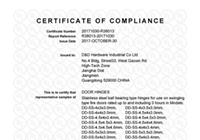
Certification claims should connect the standard, file number, product category, and exact model being offered. A company may sell certified products without every item in its catalogue being covered. Purchasing managers should therefore request the applicable listing information and confirm that the quoted configuration falls within its scope. Where project approval depends on a particular fire test or listing, obtain the supporting document before purchase approval, not after production.
| D&D Product | Certification Reference | File Number |
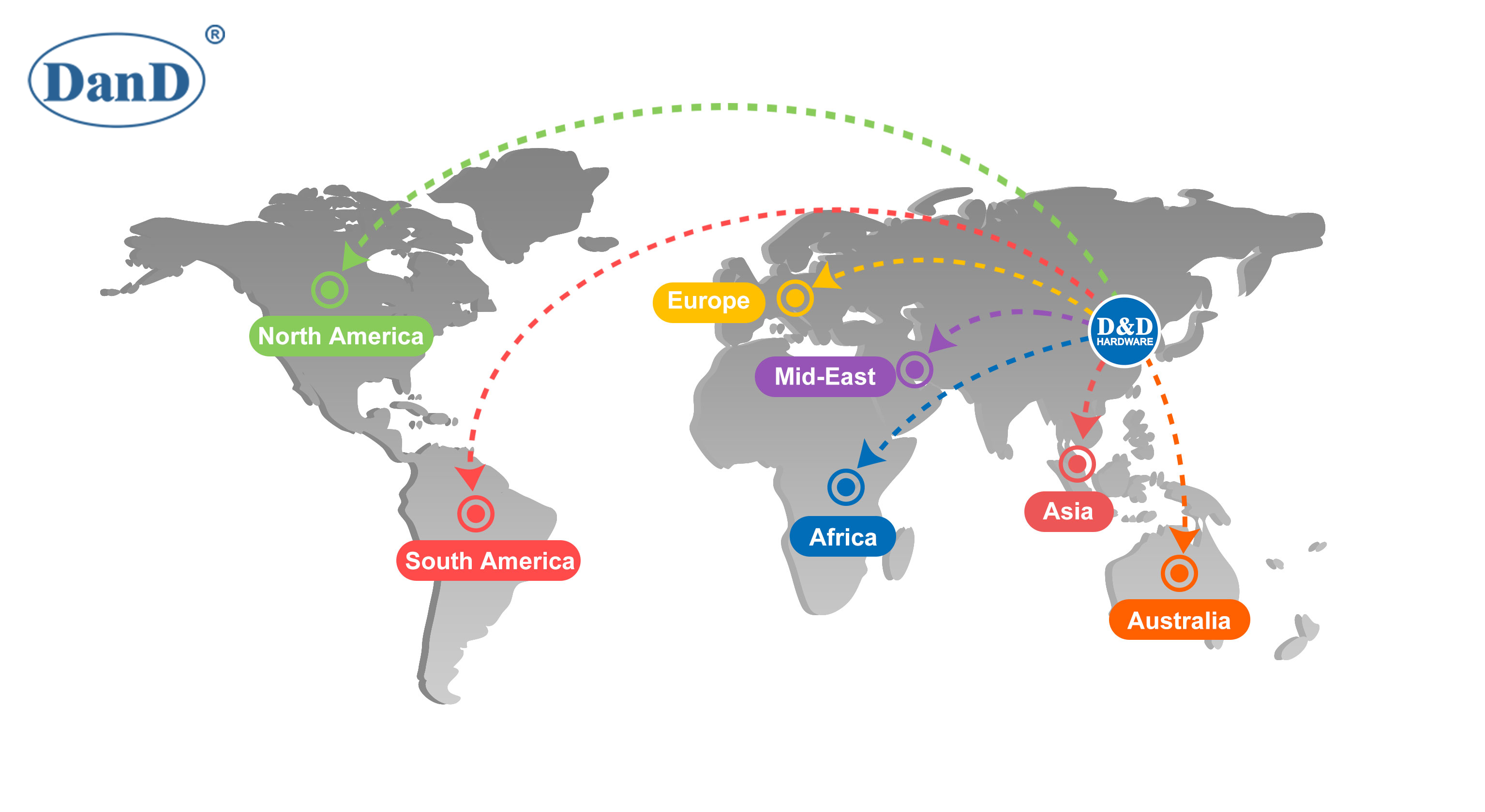
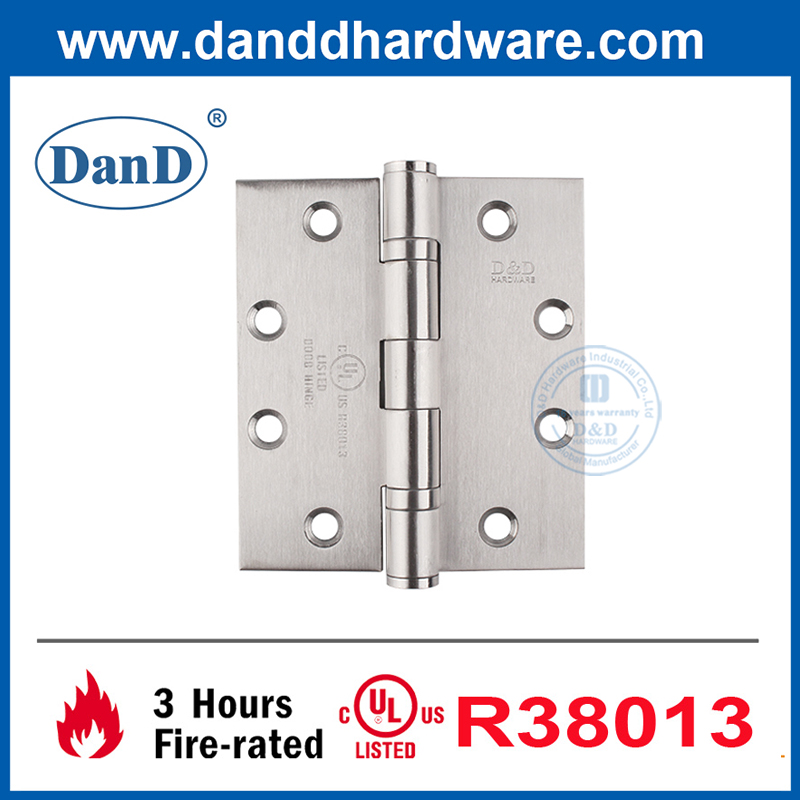 | Door Hinge | UL and cUL UL 10C fire rated; ANSI BHMA Grade 1 and Grade 2 | R38013 |
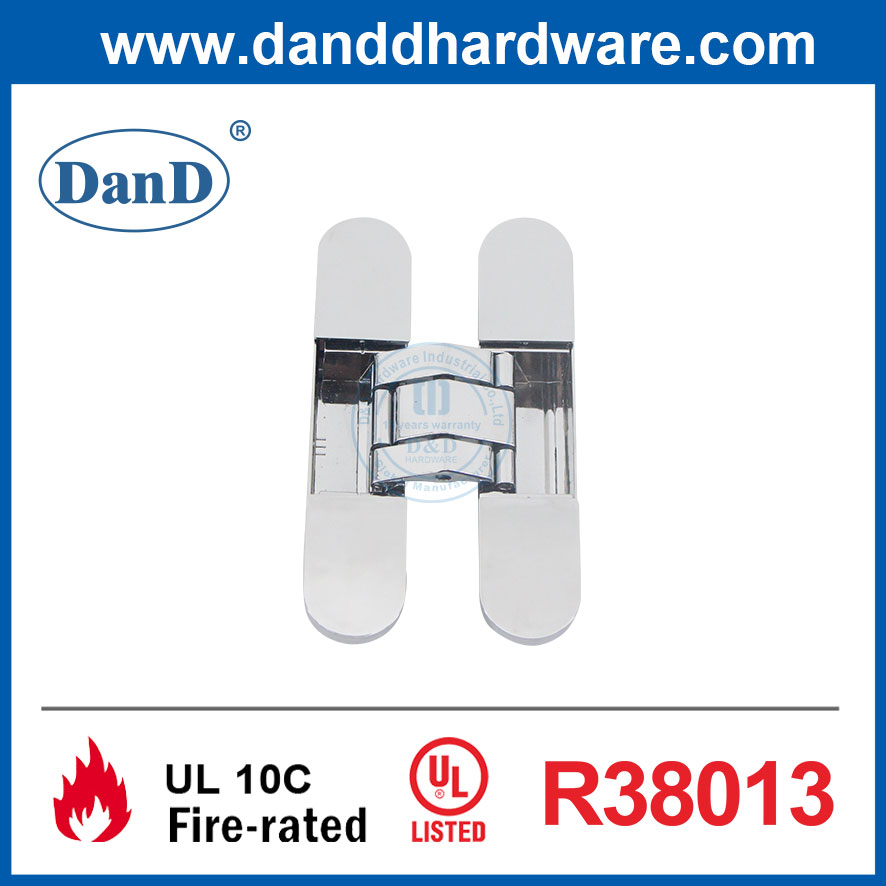 | Concealed Hinge | UL 10C fire rated | R38013 |
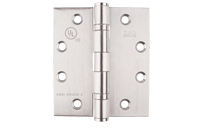
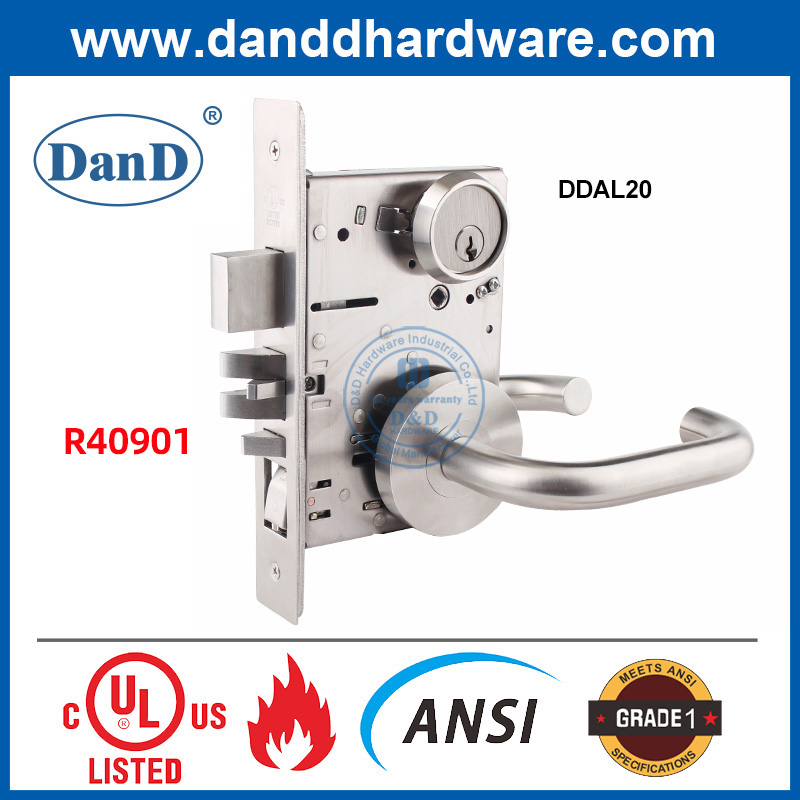 | Mortise Lock | UL 10C fire rated | R40901 |
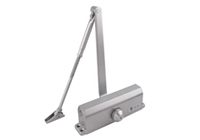
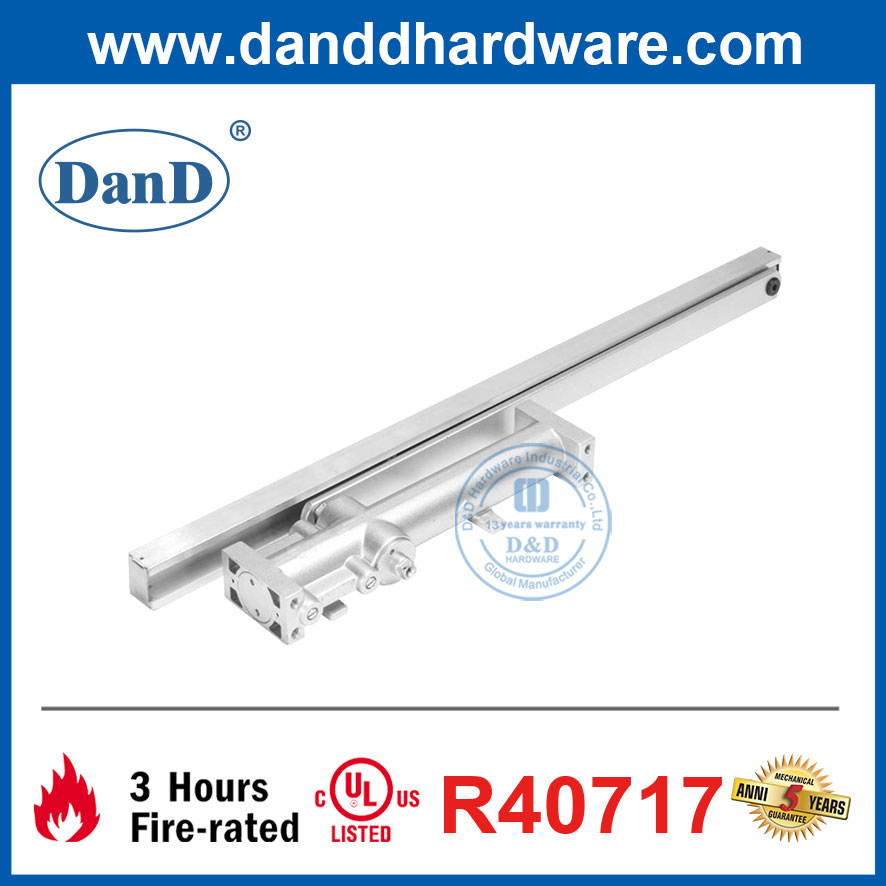 | Door Closer | UL 10C fire rated | R40717 |
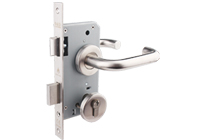
 | Fire Exit Hardware | UL 10C fire rated | R40486 |
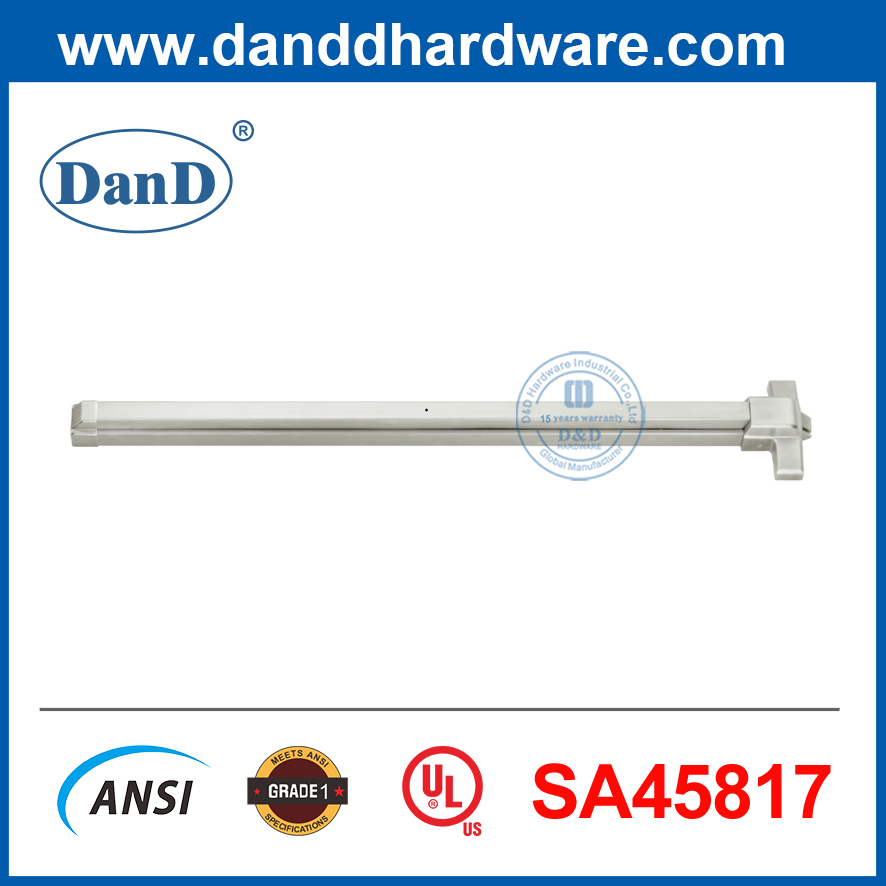 | Panic Hardware | UL 305 | SA45817 |
The table above is a useful starting reference for D&D products, but the project team should still match each proposed model and configuration to the current certification information supplied for the order.
A broad catalogue is valuable only when it reduces procurement complexity for the actual project. Check whether the commercial door hardware supplier can cover the required hinges, locks, door closers, exit devices, coordinators, bolts, stops, and related accessories with compatible specifications. This can reduce the number of purchase orders and technical contacts, but consolidation should never override product suitability.
Review the hardware as a coordinated opening. Confirm dimensions, door handing, functions, finishes, fixing requirements, and compatibility with the door and frame preparation. When several products are supplied together, ask who checks that the selected components can be installed and operated as intended. A supplier evaluation should expose compatibility gaps before samples or production are approved.
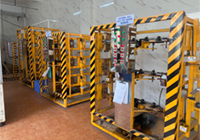
A sample shows what a supplier can produce once. Purchasing managers also need evidence that the approved result can be repeated. Review incoming material checks, in-process inspection, final inspection, testing arrangements, traceability, and control of drawings or specifications. For outsourced processes such as finishing, ask how acceptance standards are communicated and verified.
Repeat-order control matters for distributors, door manufacturers, and phased projects. Confirm whether the supplier can retain the approved model, dimensions, material, finish, labeling, and packaging details. Ask how a requested change is reviewed and communicated. A reliable UL fire rated hardware supplier should not substitute a component that affects the approved specification without written agreement.

Documentation is part of the product supply, not an administrative extra. Depending on the item and project, the file may include certification references, product data, drawings, dimensions, installation instructions, finish information, packaging details, and model cross-references. These records allow purchasing managers to coordinate with engineers, contractors, door manufacturers, and quality teams without relying on sales descriptions.
Request a sample document package during supplier qualification. Check whether model names are consistent across the quotation, technical sheet, label, and certification reference. Clear document control improves project review and creates a usable purchasing record for replacements and future orders.
A quoted lead time does not explain how an order will be controlled. Ask how specifications are confirmed, when materials are released, where inspections occur, and how shipment readiness is reported. For phased projects, confirm whether partial deliveries can follow the door schedule and whether repeat orders have different lead times. The answer should describe the process from order confirmation to shipment, including the points where purchasing receives an update.
Packaging also affects receiving accuracy. Similar hardware should be identifiable by model, function, finish, quantity, and project or door reference where required. For OEM and private-label programs, approve labels and cartons before mass production. Clear identification reduces warehouse picking errors and helps the site team distribute hardware to the correct openings.
After technical review, compare suppliers with a weighted score rather than a single commercial figure. Certification and product compliance should be pass or fail where the project requires them. Other criteria can be scored according to project risk, including specification fit, manufacturing control, document quality, delivery planning, packaging, communication, and repeat-order support. Record the evidence behind each score so the result can be reviewed internally.
• Can the supplier prove that the exact quoted models meet the required certification and application conditions?
• Can the approved specification be maintained across production batches and future orders?
• Are technical, certification, installation, and packaging documents available before approval?
• Can production and delivery follow the project schedule, including phased shipments where needed?
• Can the supplier support replacements, additional quantities, OEM packaging, or later projects?

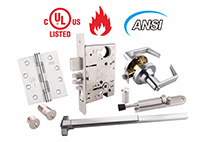
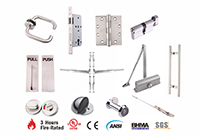
D&D supplies commercial door hardware for project orders, repeat B2B procurement, OEM production, and private-label programs. Its UL range includes hinges, concealed hinges, mortise locks, door closers, fire exit hardware, and panic hardware. Purchasing teams can review the required product categories together with model information, certification references, technical details, packaging needs, and delivery plans.
For buyers building an approved supply program, the practical objective is a documented route from product selection to repeat supply. Send D&D the door schedule, required standards, quantities, finishes, and target delivery dates so the proposed hardware range can be reviewed against the purchasing requirement.
The best fire door hardware supplier evaluation answers one question: can this supplier repeatedly deliver the approved product, with the required evidence, on a schedule the buyer can manage? Price remains important, but it should be compared only after certification, application fit, specification control, documentation, and delivery risk are understood. That sequence gives purchasing managers a defensible basis for supplier approval and lowers the chance of requalification, site delays, or replacement problems later.