Views: 0 Author: D and D Hardware Publish Time: 2026-07-10 Origin: D and D Hardware


When sourcing UL fire rated commercial door hardware, price is only one part of the purchasing decision. The real challenge is identifying whether a manufacturer can consistently deliver certified products, maintain stable quality, support large commercial projects, and provide reliable long-term service.
For distributors, contractors, door manufacturers, and project buyers, conducting a factory audit before placing an order significantly reduces procurement risks. A professional audit helps verify manufacturing capability, certification authenticity, quality management systems, production consistency, and supply chain reliability.
This guide explains how to audit a door hardware factory before ordering, with a special focus on suppliers of UL fire rated commercial door hardware.
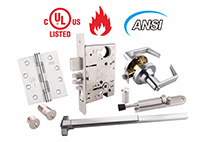
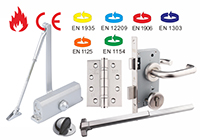
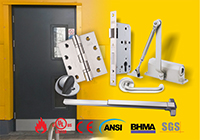
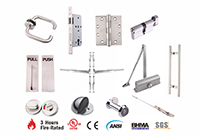
Unlike residential hardware, commercial fire door hardware must comply with strict safety standards. Products such as:
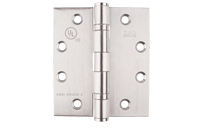
•UL Listed Door Hinges
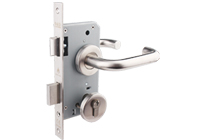
•UL Fire Rated Mortise Locks
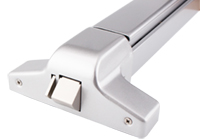
•Fire Exit Hardware
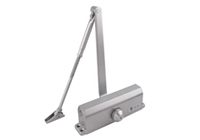
•Door Closers
•Panic Exit Devices
must perform reliably during fire conditions while meeting project specifications.
A factory audit helps answer important questions:
•Does the manufacturer actually produce the products?
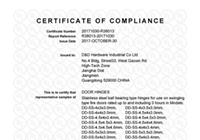
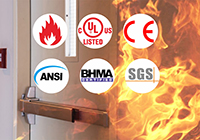
•Are UL certifications genuine and current?
•Is quality consistent across production batches?
•Can the supplier support large commercial projects?
•Are engineering and customization capabilities sufficient?
The goal is not simply to verify a factory—it is to evaluate whether the supplier can become a dependable long-term procurement partner.

Before scheduling an onsite or virtual audit, research the supplier carefully.
Check:
•Years of manufacturing experience
•Factory location
•Business licenses
•Export experience
•Main international markets
•Production scale
•Existing commercial project references
Manufacturers with extensive experience supplying commercial building projects generally have more mature production systems and better quality control processes.
Look beyond marketing claims. Ask for documented evidence whenever possible.
For buyers sourcing fire-rated hardware, certification verification should be the highest priority.
Ask the supplier to provide:
•UL File Numbers
•Product certification reports
•Product scope
•Fire rating information
•Testing laboratory details
For example, qualified manufacturers may provide certifications covering:
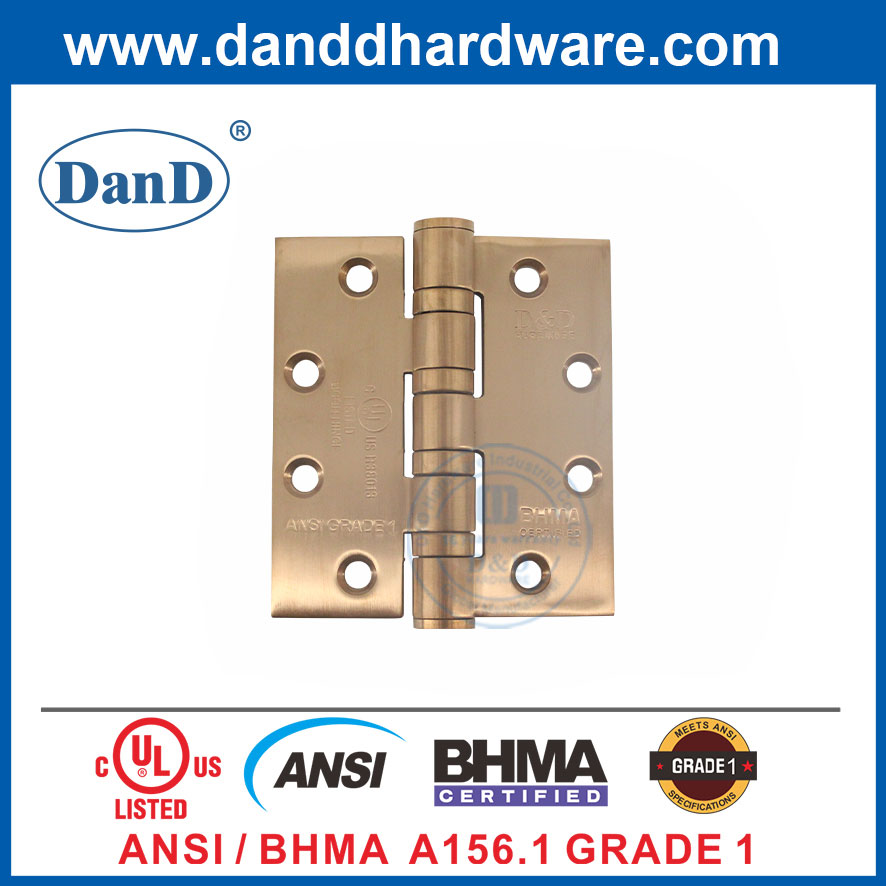
•UL 10C Fire Rated Door Hinges
•UL Listed Mortise Locks
•UL Fire Rated Door Closers
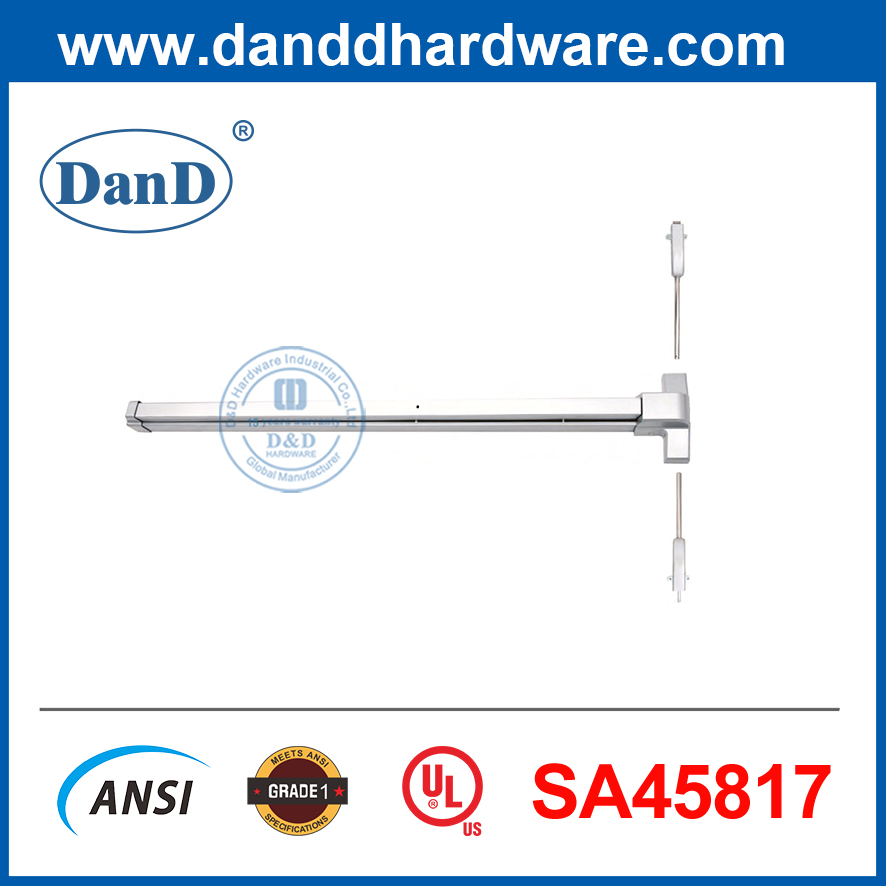
•UL Listed Fire Exit Hardware
Remember that not every product produced by a factory is necessarily UL Listed.
Always verify that the specific product you plan to purchase falls within the certified product range.

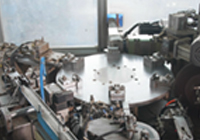
A reliable manufacturer should control most critical production processes rather than relying heavily on subcontractors.
During the audit, observe:
Look for:
•CNC machining centers
•Automatic stamping machines
•Precision casting equipment
•Polishing lines
•Assembly stations
Modern equipment generally improves product consistency and manufacturing accuracy.
Ask questions such as:
•Monthly production volume
•Lead times
•Peak production capability
•Number of production lines
Large commercial projects require stable delivery schedules.
Capacity should match your project requirements.
One of the biggest differences between excellent suppliers and average suppliers is their quality management process.
Audit areas include:
Check whether raw materials are inspected before entering production.
Examples include:
•Stainless steel grades
•Brass composition
•Zinc alloy quality
•Surface finishing materials
Ask whether operators inspect products during manufacturing instead of waiting until final assembly.
Critical inspections may include:
•Dimensional accuracy
•Machining tolerance
•Thread quality
•Surface finish
•Assembly accuracy
Finished products should undergo inspections covering:
•Appearance
•Function
•Dimensions
•Packaging
•Label verification
Factories with documented inspection procedures usually produce more consistent products.

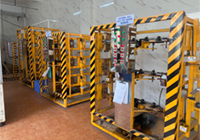
Commercial door hardware undergoes demanding performance requirements.
Ask whether the factory performs internal testing for:
•Cycle testing
•Salt spray testing
•Load testing
•Closing force testing
•Spring performance
•Dimensional inspection
•Fire-related verification according to certified procedures
Testing equipment demonstrates a manufacturer's commitment to maintaining product quality—not simply passing certification once.
Commercial procurement often involves customized requirements.
Evaluate whether the supplier provides:
•Technical drawings
•CAD files
•Installation instructions
•Hardware schedules
•Product recommendations
•Engineering consultation
Experienced engineering teams can help reduce specification errors before products reach the jobsite.
This is especially valuable for hospitals, hotels, schools, office buildings, airports, and other commercial facilities.


Reliable manufacturers can trace every production batch.
Ask about:
•Batch numbers
•Production records
•Material tracking
•Inspection reports
•Supplier records
Traceability allows quality issues to be identified and corrected quickly.
For large projects, this is an essential risk management practice.
Many quality problems occur during transportation rather than manufacturing.
Review:
•Individual product protection
•Carton strength
•Moisture protection
•Export labeling
•Barcode management
•Pallet packaging
Proper export packaging helps prevent damage during international shipping.
Even excellent factories depend on reliable material suppliers.
Ask questions about:
•Major raw material suppliers
•Inventory management
•Safety stock
•Backup suppliers
•Lead-time management
A stable supply chain reduces delivery delays caused by material shortages.
This became particularly important after recent global supply chain disruptions.
Communication quality often predicts future cooperation.
During the audit, evaluate:
•Response speed
•Technical knowledge
•English communication
•Documentation quality
•Quotation accuracy
•Problem-solving ability
Professional suppliers typically provide organized documentation and clear answers rather than vague promises.

Before selecting a supplier, prepare a structured audit checklist.
Some useful questions include:
•Are your UL certifications valid for the products we intend to purchase?
•Can you provide commercial project references?
•What quality inspections are performed during production?
•How do you manage production traceability?
•What testing equipment is available in-house?
•What is your average production lead time?
•Can you support OEM or customized commercial hardware?
•How do you handle quality claims?
•What export markets do you currently supply?
•Can you provide factory audit reports or customer references?
The answers reveal far more than a product catalog ever can.
Be cautious if a supplier:
•Cannot clearly explain their manufacturing process
•Refuses to provide certification details
•Outsources most production without transparency
•Has no documented quality procedures
•Cannot demonstrate testing capability
•Provides inconsistent answers from different departments
•Has poor production organization
•Cannot provide project references
One or two issues may not disqualify a supplier, but multiple warning signs should prompt further investigation.

Many buyers prefer working directly with manufacturers because they offer:
•Better production visibility
•More stable product quality
•Faster technical support
•Greater customization capability
•Better cost control
•Direct communication with engineering teams
•Stronger long-term supply relationships
For complex commercial projects involving UL fire rated commercial door hardware, direct manufacturing expertise can significantly reduce procurement risks and improve project outcomes.
Auditing a door hardware factory is not simply about visiting a production facility—it is about verifying whether the supplier has the systems, certifications, technical expertise, and manufacturing capability required for commercial fire door projects.
For buyers sourcing UL fire rated commercial door hardware, a structured audit should evaluate certification, manufacturing capacity, quality control, testing capabilities, engineering support, traceability, packaging, supply chain management, and communication.
Choosing the right manufacturing partner before placing an order helps minimize quality issues, reduce project delays, and build a reliable long-term supply relationship.
If you are sourcing UL Listed fire rated commercial door hardware for commercial buildings, partnering with an experienced manufacturer that offers verified certifications, comprehensive quality management, OEM/ODM capability, and dedicated project support can provide greater confidence throughout the procurement process.