Views: 0 Author: D and D Hardware Publish Time: 2026-11-25 Origin: D and D Hardware


To source UL concealed hinges for hotel fire door projects, start with an opening schedule that connects each door to an approved hinge configuration, the responsible door manufacturer and a required delivery stage. Then use the hotel’s representative door mock-up to confirm the product before releasing repeat room quantities.
Hotel procurement combines repeated guestroom openings with a smaller number of doors that may have different construction or operating requirements. A workable order preserves those differences while giving the project team a consistent route from sample approval to installation.

D&D Hardware is a door hardware manufacturer supplying concealed hinges for commercial project procurement. Our UL Fire Rated Commercial Door Hardware procurement guide covers coordination across the hardware package. For hotels, the purchasing plan also needs to follow the fit-out sequence and the operator’s handover requirements.

A hotel project may involve a purchasing agent, door manufacturer, main contractor, interior designer and installation team. Before requesting prices, identify who confirms the door construction, who approves the visible finish and who releases the technical specification.
Ask one party to maintain the current opening schedule. Record the approved hinge model against each door type and circulate revisions to the manufacturer and installer.
This helps resolve a familiar procurement conflict. The designer approves a concealed appearance, but the door manufacturer still needs confirmation of the hinge pocket and fixing arrangement. Close both decisions before the order becomes a production instruction.
Group hotel fire door hinges by actual door construction and dimensions. Confirm which guestroom entrances share the same finished leaf weight, frame section and required arrangement.
Review doors with added decorative panels, different widths or other specification changes separately. Keep service, connecting-room and public-area openings distinct where their requirements differ.
For each group, give the concealed hinge manufacturer the leaf height, width, thickness, finished weight, door and frame materials and proposed hinge locations. Ask for confirmation of the model, quantity and spacing for that configuration.
A room count alone leaves too much information unresolved. The purchasing quantity should follow the reviewed door groups and their individual hinge requirements.
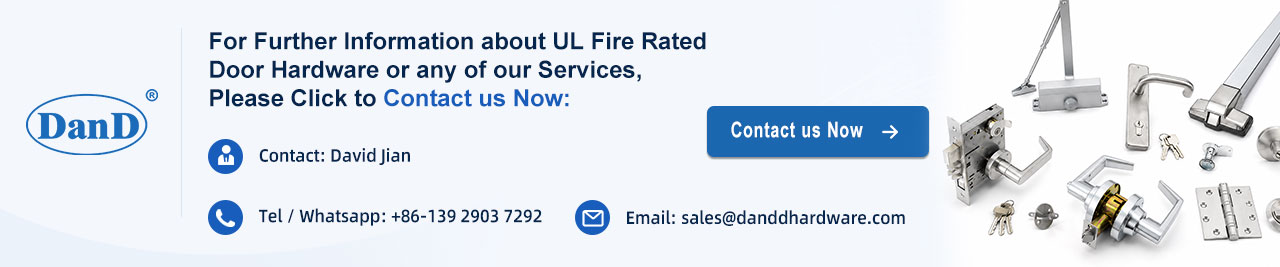
D&D Hardware’s applicable DDCH008 and DDCH011 concealed hinge variants are UL 10C Fire Rated under File No. R38013. For a UL concealed hinge order, match the full selected model code to the applicable certification scope and installation conditions.

3D Adjustable Concealed Door Hinges - 40KG/80KG/120KG

3D Adjustable Concealed Door Hinges - 60KG/100KG
Ask for the relevant model information, installation drawing and supporting certification documents early enough for the door team’s review. UL Product iQ supports searches by company, model and file number, providing an independent way to check the information supplied.

For hotel fire door projects, review the hinge with the specified door and frame arrangement. Keep the approved model and documentation linked to its opening group so the procurement team can check the eventual shipment.
Where the project has a limited list of acceptable certified products, settle the proposed model and its availability before agreeing the final installation sequence.
A hotel mock-up room brings together finishes, joinery, frames, locks and closing hardware. Include the proposed hinge in that review using the intended door construction and preparation.
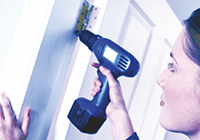
For a 3D adjustable concealed hinge, have the installer check adjustment access, gaps, swing clearance and latch engagement on the representative opening. Record the final hinge code and drawing revision alongside the reviewed hardware configuration.
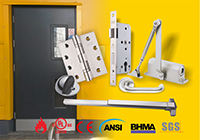
Approve the complete supplied product, including covers and fixings. The DDCH008 concealed hinge and DDCH011 concealed hinge use zinc alloy main bodies, stainless steel covers and aluminium alloy central connecting components. Confirm that description in the product record and review the selected finish on the actual components.
Use the signed mock-up record to release the matching room group. Any later alteration to the leaf or frame should return to the responsible technical team for review before it reaches production.

Ask the commercial concealed hinge supplier to quote quantities by approved model, finish and required delivery stage. Specify whether pricing is per individual hinge or another clearly defined unit.
The delivery plan should reflect when the door manufacturer needs hardware for assembly and when the site can receive it. Include the drawing approval date, mock-up sign-off and any packaging approvals as dependencies.
For phased deliveries, agree the minimum release quantities, payment milestones and treatment of the balance. Identify who accepts a schedule change and how the supplier confirms revised dates.
Label batches by the project’s agreed opening or floor references where useful. Keep enough product identification on each pack for the installer to match it to the approved schedule.
A finish change or decorative panel revision can arrive after the first room group has entered production. Record which quantities are already released, which remain open and which require a new technical review.
Ask the door hardware manufacturer to identify the commercial and production effects before approving the change. These may include revised artwork, a new finish sample or an updated delivery date.
Maintain one revision record for the affected openings. Send it to purchasing, the door manufacturer and the site team so a late design instruction does not create two competing specifications.
Before the final delivery, agree spare quantities by installed variant and anticipated replenishment needs. Ask whether replacement covers or complete hinges can be supplied for the approved configuration.
Hand over a record containing model codes, relevant drawings, installation instructions, finish references and the contact route for product enquiries. Keep spare stock identified so maintenance staff can match it to the installed opening.
As a concealed hinge manufacturer, D&D Hardware can review your hotel door schedule, mock-up requirements and staged purchasing quantities. Send the door information, proposed finishes and delivery windows to discuss the DDCH008 or DDCH011 configuration and the documents needed for project approval.

What should I send for a hotel concealed hinge quotation?
Provide the door schedule, dimensions and finished weights, door and frame construction, quantities by opening group, finishes and required delivery stages. Identify technical and design approvals still pending.
Can the mock up hinge be used across every guestroom door?
Confirm that the other openings match the reviewed construction and configuration. Assess differences in dimensions, finished weight, frame details or hardware before extending the approval.
How should phased hotel orders be organized?
Release quantities by approved product code and delivery stage. Agree remaining-order commitments and use pack identification that the door manufacturer and site team can reconcile with the schedule.
What should be included in the hotel maintenance record?
Include the full hinge variant, drawing revision, finish reference, installation information and replacement contact. Identify spare hinges and covers against the corresponding installed configuration.