Views: 0 Author: D and D Hardware Publish Time: 2026-10-01 Origin: D and D Hardware


The contractor buys the lock that the project can approve, install and hand over. That job is wider than choosing a UL listed product. The tender hardware schedule may contain incomplete functions, conflicting door preparations or a quantity that no longer matches the latest drawings. A purchasing team that sends the schedule straight to production can inherit all three problems.
The architect or hardware consultant establishes the required opening; the contractor reconciles it with the manufacturer’s quote, door preparation and construction sequence.

Compare the door schedule, hardware sets, fire door labels and current architectural drawings by opening number. Raise a request for information when a lock function is absent, the specified cylinder or lever trim conflicts with the hardware set, the door thickness is unclear, or the pair of doors lacks a complete latching arrangement. Confirm whether the lock is supplied by the door factory, hardware subcontractor or general contractor; duplicate procurement is a common scope problem.
The RFI should show door numbers, conflicting references and a proposed resolution. Keep the approved response in the submittal record.

Ask each bidder to state precisely what the price includes: lock case, faceplate, strike, levers or trim, cylinder, fasteners, finish and packaging. Keying and master-key work may sit with a separate contractor; identify that boundary in the quote. Count the opening-specific lock functions, not just the total number of doors. A storeroom function delivered where a classroom function was approved is still the wrong item even if it fits the cutout.
Compare the complete installed scope, order minimum, freight and lead time. An alternate that changes function or preparation needs approval before its lower price counts as a saving.
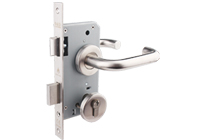
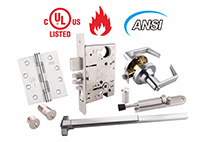
D&D Hardware, a fire door hardware manufacturer, identifies its relevant commercial mortise lock range under UL 10C file R40901, with models rated up to three hours. Ask for current model-level listing evidence and installation information for the exact configuration quoted. Check the record through UL Product iQ and compare it with the door assembly and approved hardware set. A file number on its own does not establish that every finish, function or door application is covered.

Put the model, function, certification reference and document revision on the submittal cover sheet. The fire rating of the lock and the fire rating of the full installed opening are different matters. The door and frame listing, other hardware and installation conditions must also be satisfied.
Do it before production of the prepared door leaf or lock batch. Send a dimensioned lock and strike drawing to the door manufacturer, and confirm the door thickness, backset, case pocket, faceplate, spindle position, cylinder interface and frame strike. On paired doors, have the responsible parties review the whole meeting-stile condition. Record the accepted drawing revision and the party that approved it.
A physical sample may be useful for a first-of-type opening or a large repeat quantity. It should confirm fit and operation against the approved drawing, not replace drawing approval. If the door factory revises its cutout, hold the related lock release until compatibility is confirmed.

Freeze the approved model and function against each door number, then plan releases by floor, building or installation phase. Supply the manufacturer with a release schedule that distinguishes firm quantities from forecasts. Include the date required on site, receiving location, carton identification and any agreed spare quantity. A forecast is useful for production planning but should not be mistaken for an authorized purchase.
D&D can coordinate documentation and production for repeat commercial fire door hardware orders when the approved specification and releases are clear. Ask for a change notice if a component, dimension, finish or packaging label will differ from the approved sample. Review its impact before accepting the next batch. That is where a direct relationship with a fire door hardware manufacturer helps a contractor maintain continuity across phases.
Match cartons to the purchase order and release number before distributing locks to installers. Check model and function markings, quantity, finish, strike and trim inclusion, visible damage and the enclosed instructions. Segregate similar looking functions; a storeroom and classroom lock can be difficult to distinguish after the boxes are discarded. Photograph shortages or damage with carton labels visible and report them promptly.
Keep a record by door number of installed products and any approved change. At closeout, provide the documentation required by the project, including the final model list and applicable instructions. This connects the installed lock to the original submittal and makes a later replacement order more reliable.

A shortage near handover does not authorize a silent switch to a visually similar lock. Identify the affected openings and compare the proposed alternative’s function, dimensions, listing scope, trim and door preparation. Send the change to the design team and other required approvers before installation. If the door is already cut, confirm that the proposed hardware can be installed without an unapproved field modification to the rated assembly.
Retain the approved substitution, revised drawing, quantity and delivery confirmation. This prevents a purchasing fix from becoming a failed inspection or an incorrectly operating door.
These short answers address common handoff points in commercial UL mortise lock purchasing.
Can a contractor release production before the lock submittal is approved?
Only if the contract permits it and the contractor accepts the risk. For a prepared fire door, the approved model and drawing should be confirmed before release.
Does UL 10C file R40901 cover any lock bearing the D&D name?
No. Verify the exact model and conditions in current listing information; the file number is a reference for checking, not a blanket approval.
Who should confirm the mortise pocket and strike?
The door and frame manufacturer and hardware team should work from the same approved dimensioned drawing before preparation.
What belongs on a phased delivery release?
List door or hardware-set references, approved model and function, finish, quantity, carton identification, destination and required date.
What should happen when the delivered function differs from the approved schedule?
Quarantine the affected item, document the discrepancy and obtain the correct product or a formally approved substitution before installation.
What should the final purchase record show?
The final record should connect each opening to its approved lock model, function, UL documentation, preparation drawing, purchase release and received quantity. Contractors can then show what was ordered and installed, while D&D has a defined manufacturing reference for any balance delivery or later replacement.