Views: 0 Author: Site Editor Publish Time: 2025-12-10 Origin: Site


Fire doors are a critical part of any commercial building’s fire protection system, but a fire door is only as effective as the hardware installed on it. For commercial projects, selecting and configuring a complete fire door hardware package is essential to meet fire safety regulations, ensure safe evacuation, and pass inspections.

This guide explains how to build a complete commercial fire door hardware system, covering hinges, locks, door closers, and panic exit devices, along with CE and UL certification requirements, cost planning tips, and real-world application examples.
A commercial fire door hardware package is a fully coordinated set of fire-rated hardware components designed to work together as part of a certified fire door assembly. All components must be:
● Fire-tested
● Compatible with the door’s fire rating
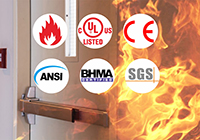
● Compliant with regional regulations (CE in Europe, UL in North America)
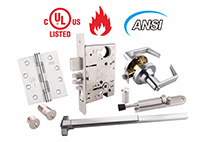
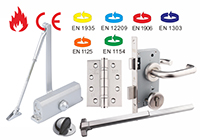
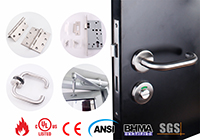
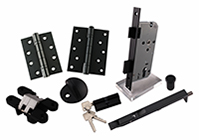
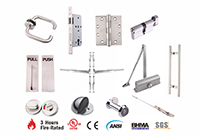
A complete package typically includes:
● Fire-rated hinges
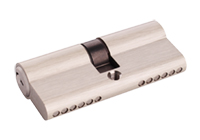
● Fire-rated locks and cylinders
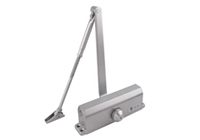
● Fire-rated door closers
● Panic exit hardware (where required)
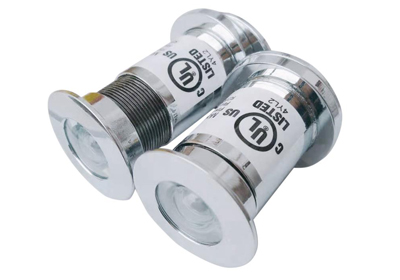
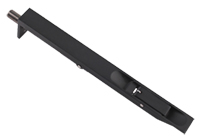
● Supporting accessories (strikes, seals, viewers)
Using a complete, certified system reduces risk, simplifies inspections, and ensures long-term reliability.

Function:
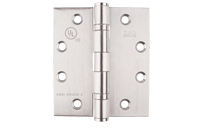
Hinges support the door’s weight and ensure smooth operation while maintaining alignment during a fire.
Key requirements:
● Heavy-duty construction (stainless steel or zinc alloy)
● Ball-bearing design for durability
● Tested for high-cycle use and fire exposure
Certifications:
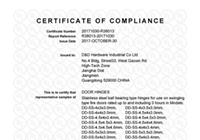
● CE EN1935 200,000 cycles test (commonly Grade 13 butt hinge for commercial fire doors),EN1634 fire rated 192mins/260mins, EN1670 corrosion resistance 240 hours.
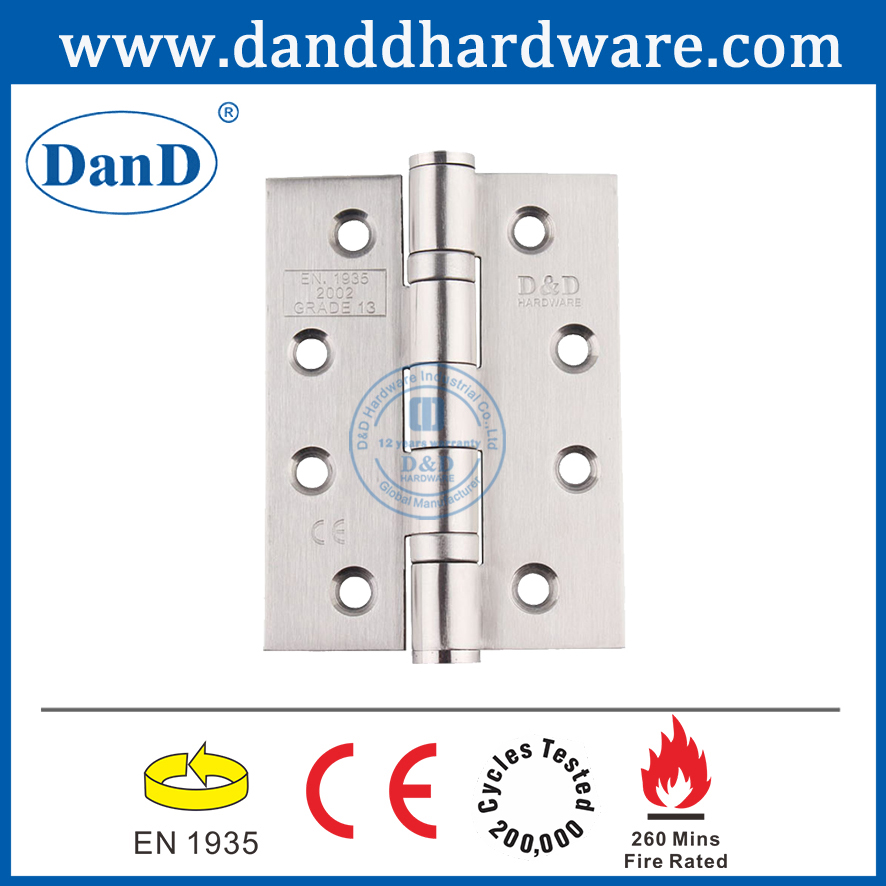
● BS EN1935 200,000 cycles test, 3D adjustable concealed door hinge, EN1634 fire rated 132mins, EN1670 corrosion resistance 48 hours.


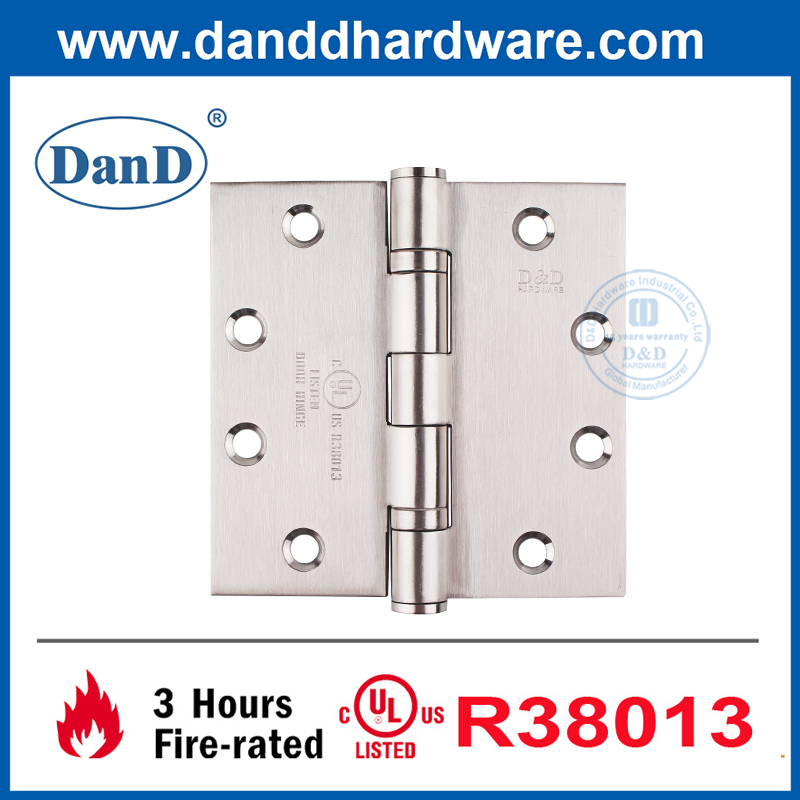
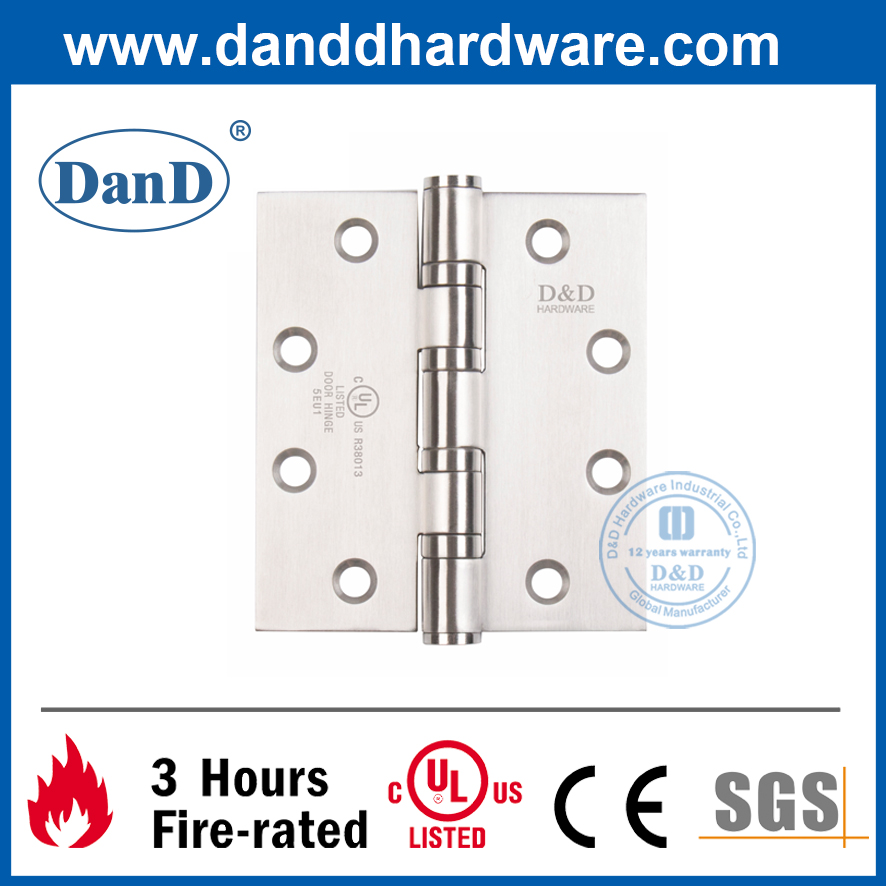
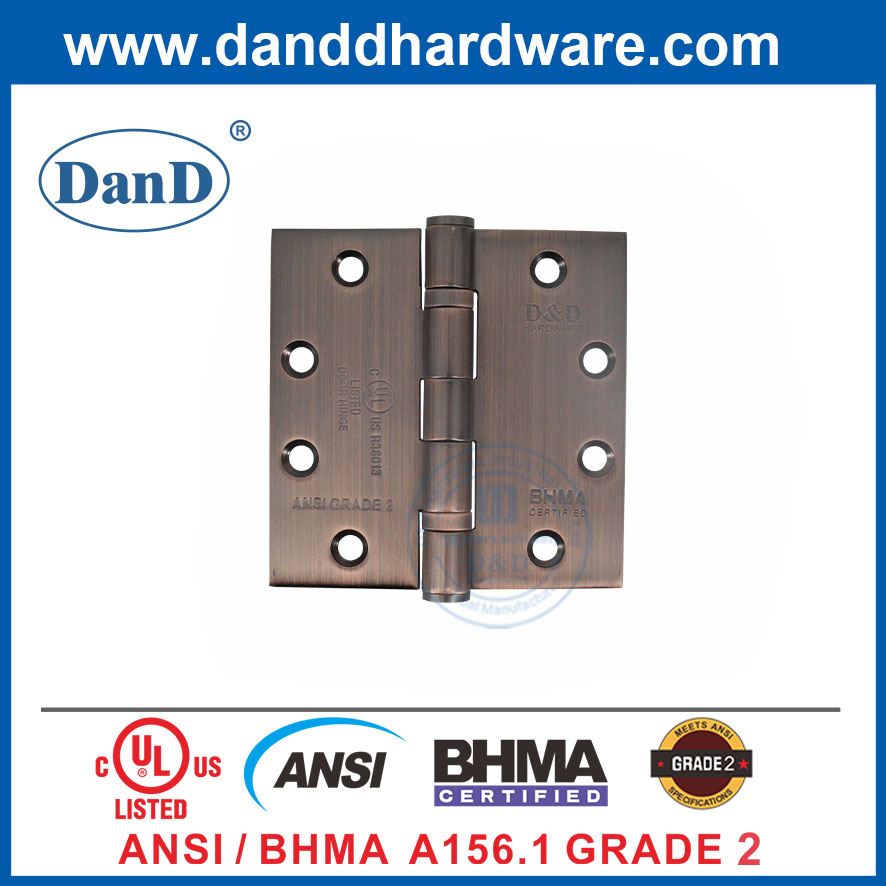
● UL Listed Fire-Rated Hinges (tested to UL10C fire rated 3 hours), File NO.R38013
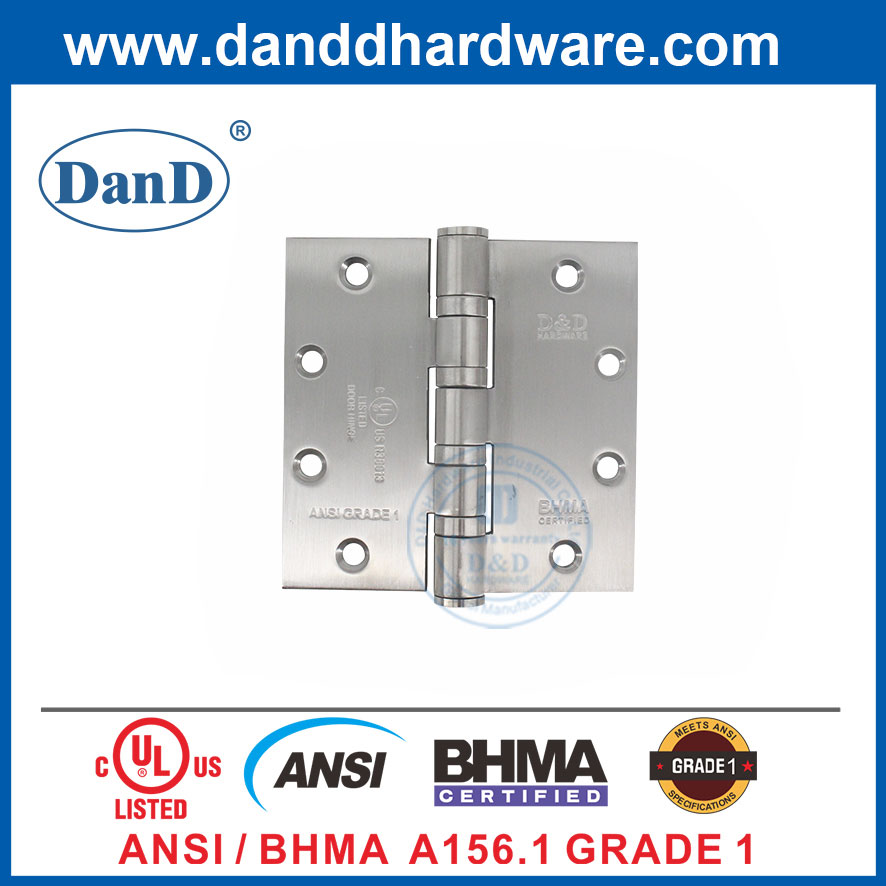
● ANSI/BHMA A156.1 Grade 1 and Grade 2, ANSI/BHMA A156.18.
Best practice:
Most commercial fire doors require three fire-rated hinges per leaf, depending on door height and weight.
Function:
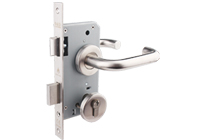
Locks secure the door while ensuring it remains operable during and after exposure to high temperatures.
Common types:
● Fire-rated mortise locks
● Deadlocks with fire-rated latch
● Lock cylinders with fire-resistant cores
Certifications:
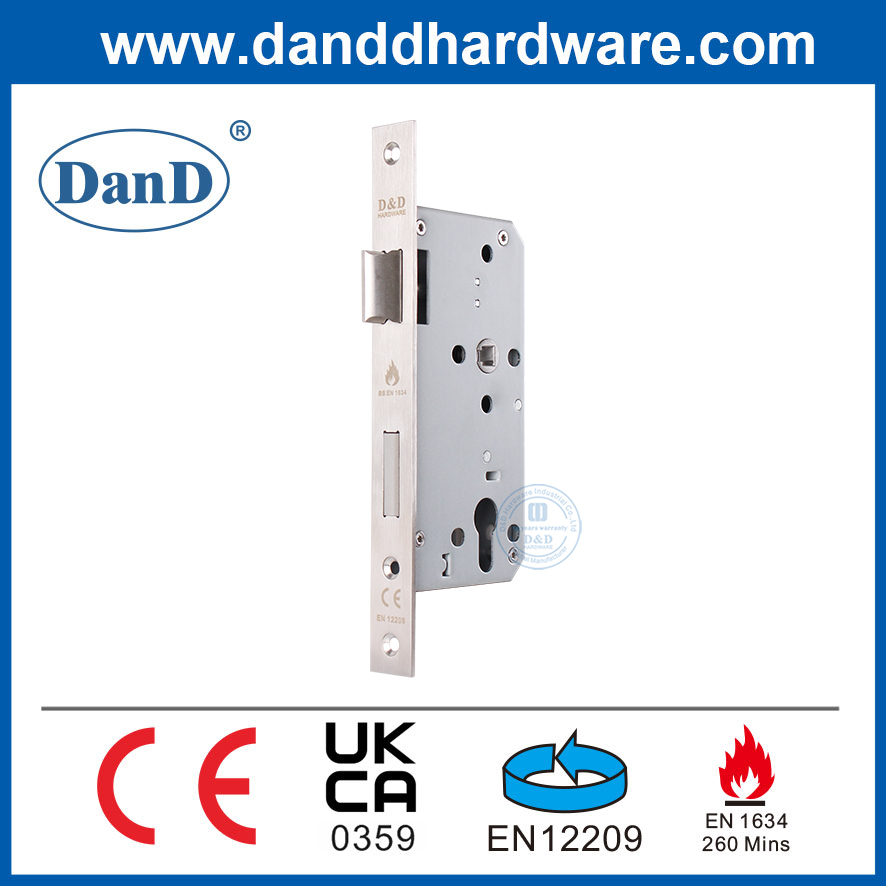
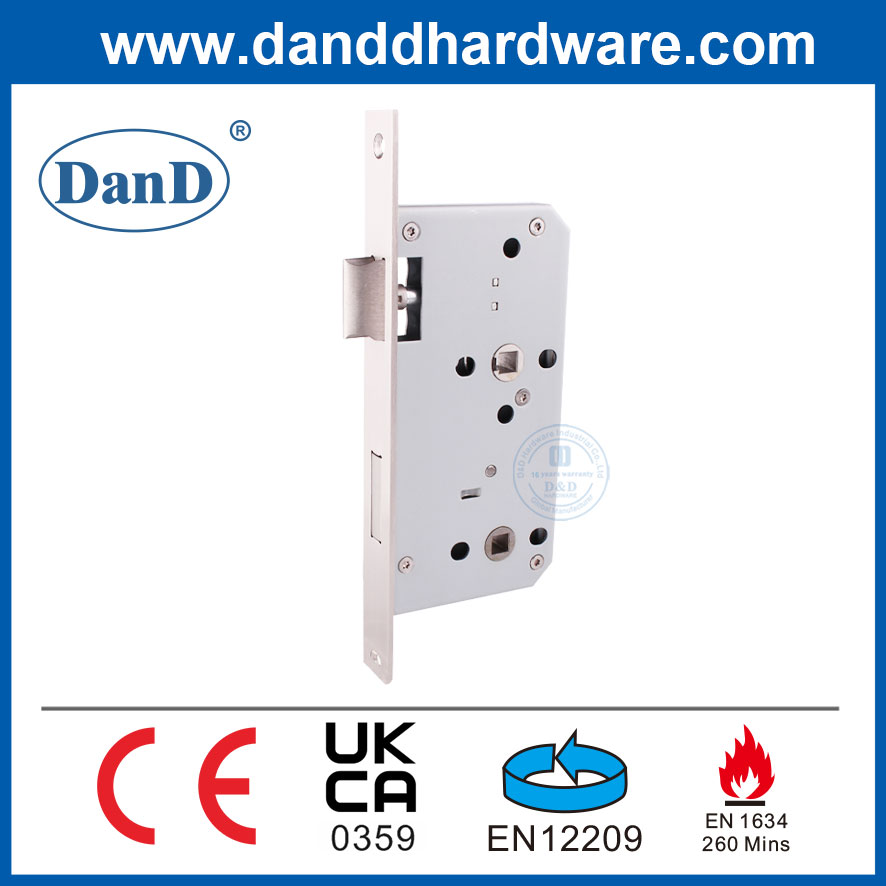
● CE EN12209 200,000 cycles test(mortise locks), EN1634 fire rated 111mins/260mins, EN1670 corrosion resistance 240 hours.
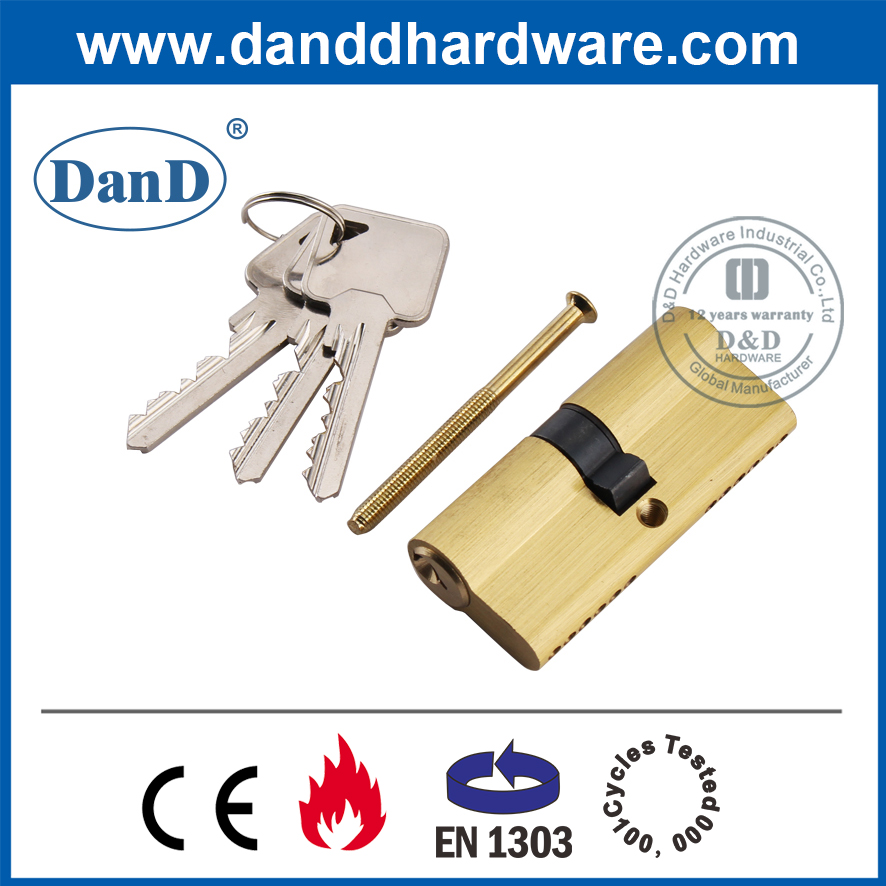
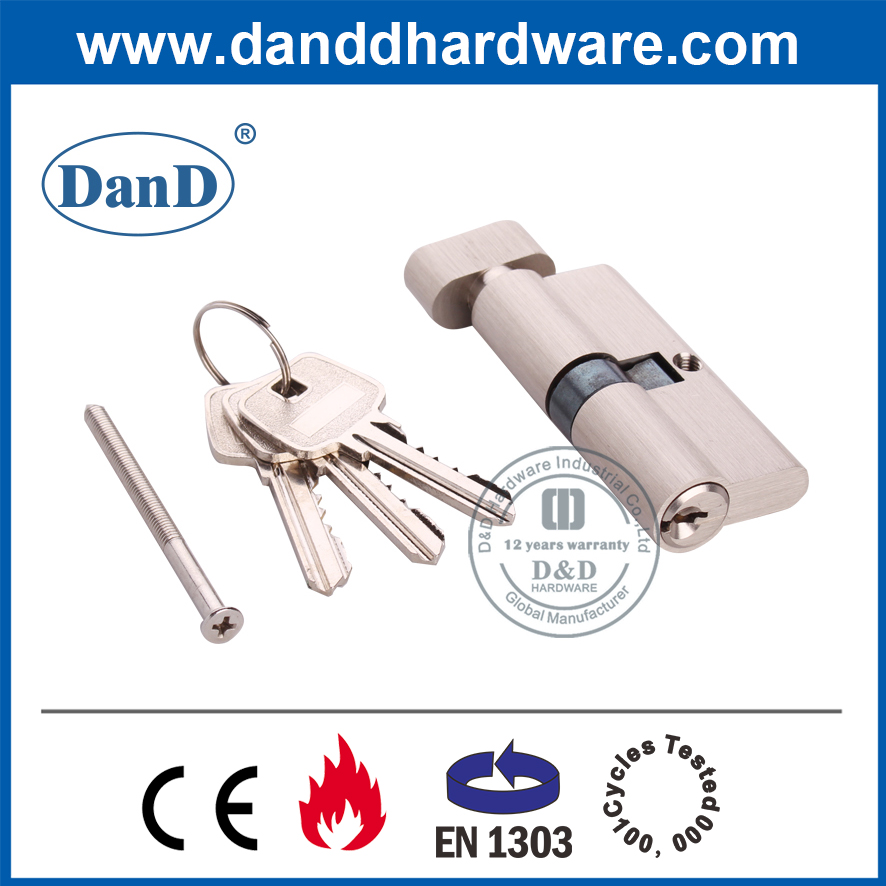
● BS EN1303 100,000 cycles test (lock cylinders), EN1634 fire rated 183mins, EN1670 corrosion resistance 96 hours.
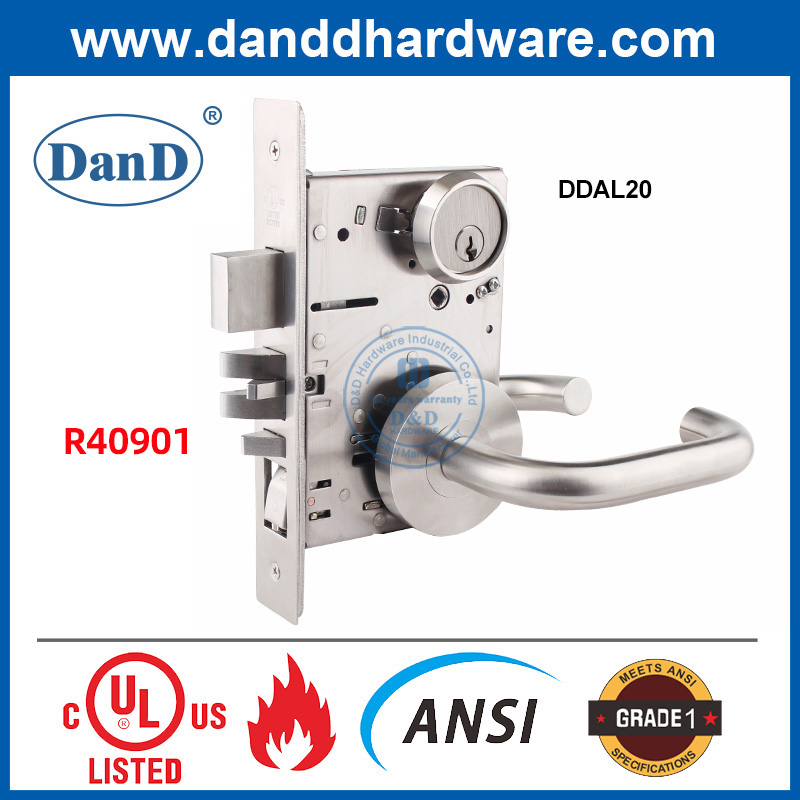
● UL Listed 10C Locks and Cylinders for fire doors, File NO.R40901

Key considerations:
● Must not include plastic internal components
● Should support master key systems if required
● Must be compatible with panic hardware or access control when used on exits
Function:
A door closer ensures the fire door automatically closes after every opening—critical for fire compartmentation.
Important features:
● Adjustable closing force (EN Size 1–6)
● Backcheck and closing speed adjustment
● Fire-tested performance
Certifications:
● CE EN1154 500,000 cycles test, EN1634 fire rated 120/180mins, EN1670 corrosion resistance 96 hours.


● UL Listed Door Closers tested to UL10C, File NO.R40717


Compliance note:
Hold-open functions are only permitted if connected to a fire alarm system and automatically released during fire.
Function:
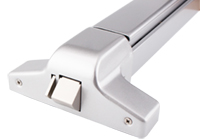
Panic exit devices allow fast and intuitive egress by simply pushing the bar, making them essential for public and high-occupancy buildings.
When required:
● Schools
● Hospitals
● Shopping malls
● Offices with high occupant loads
● Emergency exit doors
Certifications:
● CE EN1125 200,000 cycles test (panic exit hardware), EN1634 fire rated 132/240mins, EN1670 corrosion resistance 240 hours.


● UL305 (panic hardware for North America), File NO.SA45817


● UL 10C ( fire exit hardware for fire rated 3 hours), File NO.R40486


Key features:
● Fire-rated latch mechanisms
● Touch bar or cross bar design
● Optional external trim or alarm functions
Configuring a compliant system requires more than selecting individual products.
Step 1: Determine the Fire Rating
Identify the door’s required fire resistance:
● 30 minutes
● 60 minutes
● 90 minutes
● 120 minutes or higher
All hardware must be approved for at least the same rating.
Step 2: Match Hardware to Door Type
● Timber fire doors
● Steel fire doors
● Composite fire doors
Hardware must be tested with similar door constructions during EN1634 or UL10C testing.
Step 3: Ensure Certification Consistency
Avoid mixing uncertified or “tested only” products.
● CE-marked hardware for EU projects
● UL Listed hardware for US/Canada
● CE + UL for international or mixed-standard projects
Step 4: Confirm Installation Requirements
Even certified hardware can fail compliance if installed incorrectly.
● Follow manufacturer instructions
● Use approved fixing methods
● Maintain intumescent protection around hardware cut-outs
Component | CE Standard | UL Requirement |
Hinges | EN1935 | UL Listed |
Locks | EN12209 | UL Listed |
Cylinders | EN1303 | UL Listed |
Door Closers | EN1154 | UL Listed |
Panic Bars | EN1125 | UL305 / UL Listed |
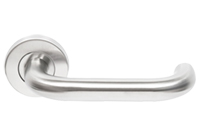
Handles | EN1906 | UL Listed |
Door Assemblies | EN1634 | UL10C |
Each component must be traceable, documented, and approved for fire use.

Key cost factors:
● Fire rating duration
● Certification level (CE only vs CE + UL)
● Material (stainless steel vs standard steel)
● Project volume
● Custom finishes or OEM branding
Cost-saving tips:
● Use system suppliers offering complete packages
● Standardize hardware models across projects
● Avoid replacing non-compliant hardware after inspection
● Balance price with certification reliability
Fire door hardware is a safety investment, not a commodity.
Office Buildings
● Fire-rated hinges + mortise locks
● Door closers on all fire doors
● Panic bars on stairwell exits
Hospitals & Healthcare
● Heavy-duty fire-rated hardware
● Panic exit devices for evacuation routes
● Corrosion-resistant materials
Schools & Universities
● EN1125 / UL305 panic bars
● High-cycle tested hinges and closers
● Clear compliance documentation
Hotels & Commercial Complexes
● Fire-rated entrance door systems
● Master key compatible locks
● CE + UL hardware for international projects
A complete commercial fire door hardware package is essential for fire safety, legal compliance, and long-term building performance. Hinges, locks, door closers, and panic bars must be carefully selected, correctly configured, and fully certified to CE and UL standards.
By choosing a complete, tested, and certified system—rather than individual components—you reduce risk, control costs, and ensure your fire doors perform when it matters most.
For further information about fire rated door hardware or any of our services, please click to Contact us Now:
Contact: David Jian
Mobile No.: 0086-139 2903 7292
Email: sales@danddhardware.com