Views: 0 Author: D&D Hardware Publish Time: 2026-01-17 Origin: D&D HARDWARE


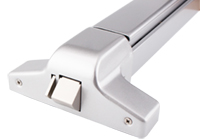
Push bar doors, often called panic bars or crash bars, are critical components of commercial building safety. They ensure a swift exit during emergencies while keeping the building secure from the outside. However, like any mechanical device, door push bars can misalign or loosen over time, leading to security risks or difficulties in opening the door.
Knowing how to properly adjust your push bar door hardware is essential for maintenance teams and facility managers. Regular adjustments ensure compliance with safety regulations and extend the lifespan of the hardware. Whether you are dealing with a vertical rod system or a standard rim device, a few simple tweaks can restore smooth operation.
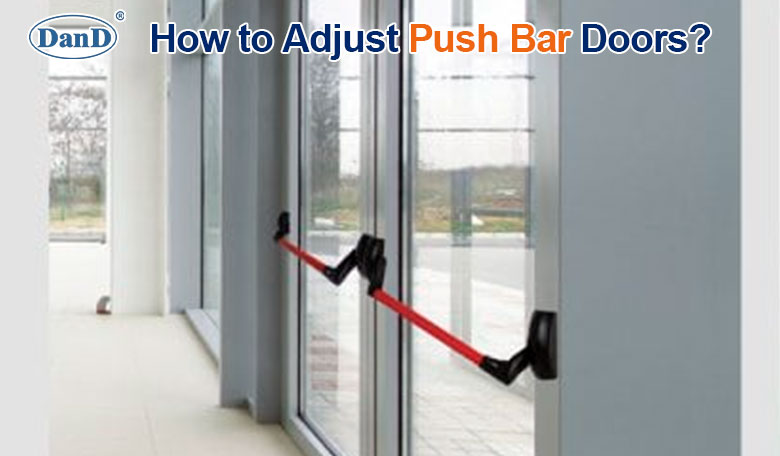
Before diving into the "how-to," it’s important to understand why adjustment matters. A door push bar that doesn’t latch properly compromises security, potentially allowing unauthorized entry. Conversely, a bar that requires too much force to operate can be a serious safety hazard during an evacuation.
Common issues that indicate adjustment is needed include:
The door fails to latch securely when closed.
The push pad sticks or doesn't retract the latch fully.
The vertical rods (on specific models) drag on the floor or don't engage the top strike.
The door rattles or feels loose in the frame.

1
Most adjustments can be handled with basic tools found in any maintenance kit.
Tool | Purpose |
|---|---|
Allen Wrench (Hex Key) Set | Used for dogging the device (holding the latch retracted) and adjusting rod lengths. |
Screwdriver Set (Phillips & Flathead) | For removing covers and tightening mounting screws. |
Lubricant (Silicon-based) | To ensure smooth movement of internal mechanisms (avoid oil-based lubricants that attract dust). |
The specific adjustment process depends on the type of device you have. Below are the steps for the two most common types: Rim Exit Devices and Vertical Rod Exit Devices.
Rim devices latch horizontally into a strike plate mounted on the door frame.
Check the Latch Alignment: Open the door and inspect the latch bolt. It should extend fully and retract smoothly when the bar is pressed.
Adjust the Strike Plate: If the door is rattling or not latching tight, the issue is usually the strike plate on the frame. Loosen the screws on the strike plate and move it slightly forward or backward to ensure a snug fit against the latch. Retighten securely.
Tighten Mounting Screws: Remove the end cap of the push bar housing. Tighten the screws that hold the device to the door. Loose screws are a common cause of operation failure.
1
These devices latch at the top and/or bottom of the door frame and require more precise tuning.
Inspect Rod Height: If the bottom rod drags on the floor, or the top latch doesn't clear the strike, the rods need height adjustment.
Adjust Rod Length: Remove the chassis cover to access the rod connection points. Most push bar door hardware allows you to rotate the rod or a turnbuckle to lengthen or shorten it.
To raise the bottom bolt: Shorten the bottom rod slightly so it clears the floor when the door opens but engages the floor strike when closed.
To adjust the top latch: Adjust the top rod so the latch bolt fully retracts when the bar is pushed.
Test the Dogging Feature: If your device has a "dogging" feature (which holds the bar depressed for unlocked entry during business hours), use your Allen key to ensure it engages and releases smoothly.

Sometimes, simple adjustments aren't enough. Here is a quick troubleshooting table for persistent issues.
Problem | Possible Cause | Solution |
|---|---|---|
Latch won't retract | Broken internal spring or binding mechanism | Apply lubricant; if broken, replace the internal mechanism. |
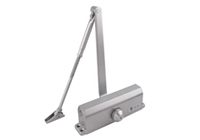
Door is hard to open | Misaligned strike plate or excessive door pressure | Adjust door closers to reduce resistance; realign strike plate. |
Bar stays depressed | Sticky components or worn return spring | Clean the mechanism and lubricate; replace spring if necessary. |

If your hardware is damaged beyond repair, it is crucial to source high-quality replacements. There are many reliable manufacturers of China door push bars that offer globally certified products.
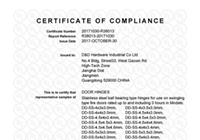
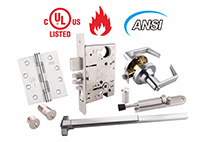
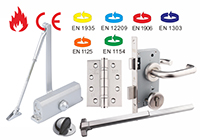
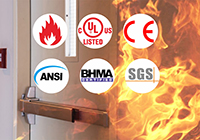
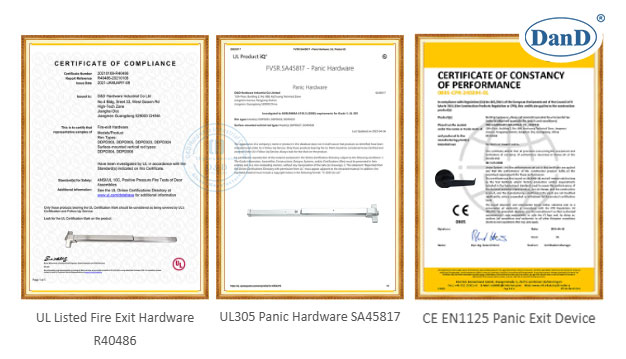
When selecting replacements, look for certifications like UL Listed (for US standards) or CE EN1125 (for European standards). Companies like D&D Hardware provide a wide range of certified push bar door hardware, including fire-rated options and varying finishes to match your facility's aesthetic.
Regular maintenance of your exit devices is not just about fixing a squeaky door; it is a matter of life safety. By following these adjustment steps, you can ensure your doors function correctly, keeping your building secure and its occupants safe. If you find your current hardware is consistently failing, it may be time to upgrade to more durable, certified options.
For further information about door push bar or any of our services, please click to Contact us Now:
Contact: David Jian
Mobile No.: 0086-139 2903 7292
Email: sales@danddhardware.com