Views: 0 Author: Site Editor Publish Time: 2026-04-01 Origin: Site


Building safety relies on effective evacuation routes during an emergency. Fire exit hardware, such as panic bars and touchpads, ensures rapid, one-motion egress during these critical moments while maintaining fire-rated door integrity. Facilities managers and building owners must prioritize high-quality exit devices to protect occupants and comply with stringent safety codes.
Choosing the correct hardware can feel overwhelming given the numerous regulations and technical specifications involved. Standard exit devices might look similar to fire-rated versions, but they function differently under extreme conditions. Using the wrong components can compromise a building's fire compartmentalization, putting lives at risk and inviting severe legal penalties.
This comprehensive guide explains everything you need to know about fire door exit devices. You will learn the fundamental differences between standard and fire-rated hardware, understand strict regulatory requirements like unlatching force limits, and discover how to select reputable components for your facility.
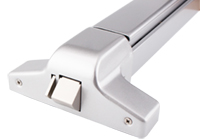
Standard panic hardware allows building occupants to open a door quickly by pushing a horizontal bar or touchpad. Fire exit hardware performs this exact function but adds a critical layer of structural protection. These specialized devices are rigorously tested to withstand intense fire and smoke, ensuring the door remains securely latched when exposed to high temperatures.
Unlike standard panic hardware, fire exit hardware cannot use mechanical dogging. Mechanical dogging is a feature that allows users to lock the crash bar in the depressed position, keeping the door unlatched for the free flow of daily traffic. Fire codes strictly prohibit this feature on fire-rated doors to ensure the door always self-latches after someone passes through. A securely latched door acts as a vital physical barrier against the spread of flames and toxic smoke throughout a building.
Installing proper exit devices involves following precise building codes and life safety standards. These regulations dictate where hardware must be installed, how it operates, and the testing it must endure before reaching the commercial market.
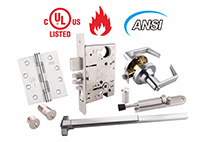
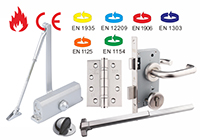
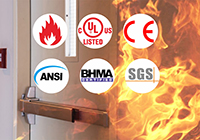
Fire-rated doors require specialized hardware to maintain their protective rating. Any door serving as part of a fire partition must equip certified fire exit hardware instead of standard commercial panic bars. The hardware must bear a clear label from an approved testing agency, such as Underwriters Laboratories (UL) or CE, verifying its fire resistance.
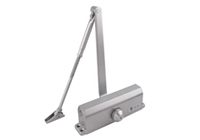
Furthermore, the exit device must operate with a single, simple push motion. Occupants should not need special knowledge, keys, or excessive effort to open the door from the inside. The door must also feature a compliant heavy-duty door closer that ensures it shuts and latches automatically after every single use.
To guarantee that anyone can escape during a chaotic emergency, building codes place strict limitations on how much physical effort is needed to operate the door. The maximum unlatching force permitted for panic and fire door exit hardware is generally 15 pounds (66 Newtons).
Once the internal latch releases, the force required to set the door in motion cannot exceed 30 pounds (133 Newtons). Maintaining the door in continuous motion as it swings open should require no more than 15 pounds of force. These precise, standardized measurements ensure that children, the elderly, and individuals with limited physical strength can evacuate a building safely.

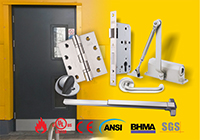
A reliable emergency exit system relies on several integrated components working together seamlessly. The primary touch bar or crash bar spans across the width of the door and houses the complex internal mechanisms. Pushing this bar retracts the latch bolt, allowing the door to swing outward.
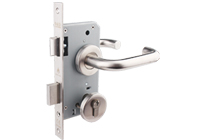
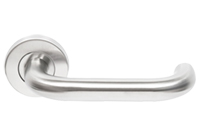
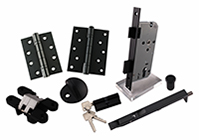
Other critical Fire exit hardware parts include the strike plate, which mounts directly to the door frame and secures the latch bolt when the door is closed. Vertical rod devices, often used on wide double doors, feature top and bottom latches connected by concealed or surface-mounted metal rods. External trim pieces, such as levers or handles with built-in cylinder locks, allow authorized personnel to enter from the outside without compromising the rapid exit function on the inside.
High-quality parts are typically manufactured from durable materials like stainless steel (SS304) to prevent rust and ensure a long operational lifespan. Routine inspection and maintenance of these interconnected parts are essential to keep the entire assembly functioning smoothly year after year.
The market offers countless options for emergency door hardware, making the selection process challenging for contractors and building managers. Partnering with an experienced fire exit hardware manufacturer guarantees that your building meets all local and international safety standards.
Top-tier manufacturers invest heavily in independent testing and quality control. Trusted suppliers produce ANSI/BHMA Grade 1 panic bars that undergo rigorous 500,000-cycle testing to prove their mechanical durability. They also offer hardware with UL 10C certifications, verifying the product provides up to three hours of fire resistance. When sourcing equipment, verify that the supplier provides comprehensive technical support and documented compliance certificates for all their commercial products. Manufacturers that prioritize these stringent certifications provide peace of mind that their hardware will perform exactly as intended during a real emergency.
Equipping your facility with proper exit devices is a non-negotiable aspect of building safety. By understanding the specific requirements for unlatching force and the absolute necessity of self-latching mechanisms, you can create a secure, code-compliant environment for all occupants.
Take time to inspect your current emergency exits. If you notice standard panic bars on fire-rated doors or mechanical dogging features enabled where they shouldn't be, consult with a hardware professional immediately. Upgrading to certified fire exit hardware ensures rapid evacuation during crises and preserves the structural defense of your building against fire. Ensure you source your upgrades from a certified manufacturer to guarantee lasting reliability and total compliance.