Views: 0 Author: D&D Hardware Publish Time: 2026-05-14 Origin: D&D HARDWARE


A heavy commercial door slamming shut can rattle an entire hallway. A door that fails to latch completely compromises the safety of everyone inside the building. Finding the perfect balance requires a properly calibrated UL door closer.
Fire-rated openings play a critical role in compartmentalizing smoke and flames during an emergency. To perform this vital function, these doors must swing smoothly and latch securely every single time. A misaligned closer essentially defeats the purpose of having a fire-rated door installed in your facility. According to safety standards, the door must return to the closed position and cause the latch to engage the strike after each opening cycle.

This guide provides clear, practical instructions for adjusting your commercial door hardware. You will learn how to safely modify sweep speed, latch speed, and backcheck resistance. By following these methods, you can ensure your building remains compliant, secure, and accessible for all occupants.
Before making any mechanical adjustments, you need to understand the rules governing fire-rated openings. The National Fire Protection Association (NFPA) establishes strict criteria that fire doors and frames must meet. Specifically, NFPA 80 requires these doors to be self-closing or automatic-closing.
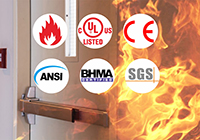
A UL listed door closer is specifically tested to meet stringent safety requirements, such as the UL 10C standard for positive pressure fire tests. These devices are built to withstand intense heat and reliably shut doors to prevent the spread of toxic gases. Because of these life-safety functions, you must maintain your hardware according to factory specifications. You are not permitted to use mechanical hold-open devices on fire-rated openings, as they prevent the door from closing during an emergency.

Adjusting a commercial door closer is a straightforward process that requires minimal equipment. Gather the following tools before you begin:
A tall step ladder: You need safe, stable access to the top of the door frame.
A hex key (Allen wrench) set: Many modern closers use hex screws for valve adjustments.
A flathead screwdriver: Older or specific models might feature slotted adjustment screws.
A flashlight: The adjustment valves are often small and located in poorly lit hallways.

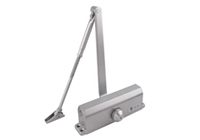
Most hydraulic door closers feature three primary adjustment valves. These control the sweep speed, the latch speed, and the backcheck. You will usually find these valves on the end or the side of the closer body. Always make adjustments in small increments—usually no more than a quarter turn at a time.
The sweep speed controls the primary closing action of the door. This covers the motion from fully open down to the last few inches before the door hits the frame.
Locate the valve marked "S" or "Sweep" on the closer body.
Open the door entirely and let it close naturally. Observe how fast it travels.
If the door closes too quickly, turn the sweep valve clockwise. This reduces the flow of hydraulic fluid and slows the door down.
If the door closes too slowly, turn the valve counterclockwise to increase the speed.
Test the door again. A safe sweep speed usually takes about five to seven seconds to complete.
The latch speed dictates how the door behaves in the final few inches of its closing cycle. This function ensures the door has enough momentum to click the latch bolt securely into the strike plate without slamming forcefully.
Find the valve labeled "L" or "Latch" next to the sweep valve.
Open the door and let it close. Watch the last few inches of the cycle carefully.
If the door bangs loudly against the frame, turn the latch valve clockwise to soften the impact.
If the door fails to latch completely, turn the valve counterclockwise. This gives the door a slight burst of speed at the very end to overcome wind resistance and latch friction.
Repeat the test until the door closes quietly but latches firmly every time.
The backcheck function provides resistance when the door is thrown open forcefully. This prevents the door from flying open and damaging the adjacent wall, the hinges, or the closer itself. It is especially important for exterior doors facing strong winds.
Locate the valve marked "BC" or "Backcheck." This is often positioned further down the closer body, away from the sweep and latch valves.
Push the door open aggressively to simulate a strong wind gust or heavy usage.
If the door hits the wall or opens too freely past 70 degrees, turn the backcheck valve clockwise. This increases the hydraulic resistance.
If the door feels excessively heavy or hard to open normally, turn the valve counterclockwise to reduce the resistance.
Ensure the backcheck engages smoothly without making the door unreasonably difficult for occupants to use.

1
Sometimes, a simple valve adjustment will not fix the problem. You might encounter underlying issues that require a different approach or completely new hardware.
The closer leaks hydraulic fluid
If you notice oily residue dripping from the closer body or pooling on the floor, the internal seals have failed. You cannot repair a leaking door closer. You must replace the unit immediately to maintain fire code compliance.
The door binds or scrapes the frame
A door that rubs against the floor or the frame will never close properly, no matter how much you adjust the hydraulic valves. Check the hinges first. Loose or worn-out hinges cause the door to sag. Tighten all hinge screws and verify that the door hangs squarely in the frame before readjusting the closer.
The adjustment screws spin freely
If you turn an adjustment valve and feel no resistance, or if the door's behavior does not change, the internal valves are stripped. Forcing the screws further can cause fluid to leak. This hardware requires complete replacement.
Maintaining fire-rated hardware requires reliable, high-quality components. When your building requires new hardware, sourcing products from a reputable UL listed door closer manufacturer ensures you receive items that meet strict safety standards.
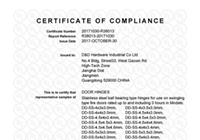
Manufacturers like D&D Hardware produce closers that comply with UL 228 and CAN/ULC-S133-07 standards. Their products undergo rigorous testing, including positive pressure fire tests for up to three hours. Choosing certified hardware protects your property, keeps occupants safe, and prevents costly compliance violations during building inspections.
No. Mechanical hold-open devices are strictly prohibited on fire-rated openings. Fire doors must close automatically to block the spread of smoke and fire. If you need a door to remain open for high traffic, you must use an electromagnetic hold-open device tied directly to the building's fire alarm system. This allows the door to release and close the moment an alarm activates.
Facility managers should perform visual inspections of all fire-rated doors at least once a month. Look for missing screws, fluid leaks, and damaged arms. Furthermore, NFPA 80 requires a comprehensive, documented inspection of all fire door assemblies by a qualified professional at least once a year.
The spring tension might be set too high, or the backcheck valve might be turned in too far. Try reducing the backcheck resistance slightly. If the door remains heavy, check the spring power adjustment nut (usually located on the end of the closer body) and turn it counterclockwise to lower the opening force. Keep in mind that exterior doors require a certain amount of closing force to overcome wind drafts, so you must balance ease of use with reliable latching.
Adjusting a UL door closer is a necessary maintenance task that directly impacts building safety. By taking the time to carefully calibrate the sweep, latch, and backcheck speeds, you protect your property and ensure smooth daily operations. Always make small adjustments, test the door frequently, and monitor your hardware for signs of wear. When in doubt, consult with a qualified hardware professional to keep your fire-rated openings functioning exactly as designed.
For further information about door closers or any of our services, please click to Contact us Now:
Contact: David Jian
Mobile No.: 0086-139 2903 7292
Email: sales@danddhardware.com