Views: 0 Author: D and D Hardware Publish Time: 2026-01-04 Origin: D and D Hardware


Push bar doors, also known as panic bars or crash bars, are essential safety devices designed to provide easy egress during emergencies. However, there are legitimate reasons you might need to lock one temporarily—for after-hours security, during specific events, or for maintenance. Many push bar models from leading push bar manufacturers feature a discreet locking function that requires an Allen key (hex key). This guide will walk you through the process safely and correctly.

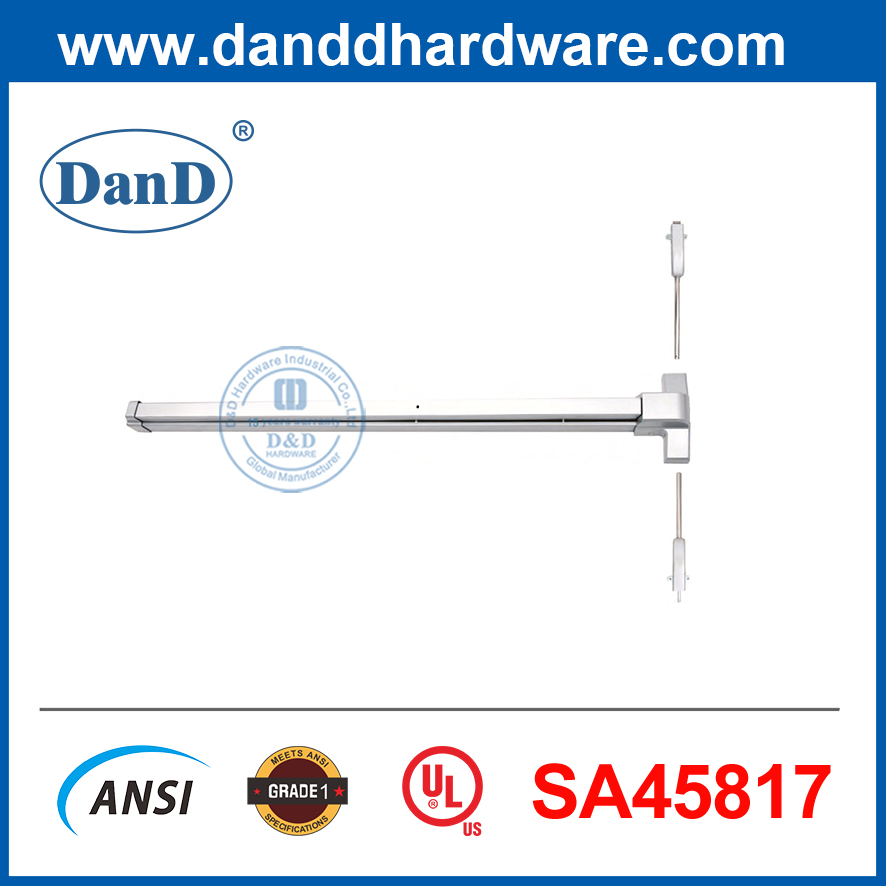
Important Safety Note First: Before proceeding, you must understand local fire and building codes. Locking a panic exit, even temporarily, is heavily regulated. This function is typically intended for temporary, monitored situations (like locking a door from the outside after business hours) and should never prevent emergency egress from the inside. Always consult with a professional and ensure compliance with all safety regulations.

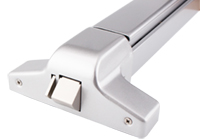
Not all push bars lock the same way. Common types include rim-style (mounted on the door surface) and mortise-style (embedded in the door). The locking mechanism is usually found at the end of the bar, near the door edge, or within a small, discreet access hole on the bar itself or the end cap.
Look for a small, round hole on the push bar assembly. This is most commonly found:
On the end cap of the push bar.
On the vertical rod (for top- and bottom-rod models).
Behind a small, sliding or removable cover on the bar's surface. The socket will be a standard hex shape, typically ranging from 3mm to 5mm in size.
Use a standard Allen key set. Insert the key firmly into the socket. You may need to try a few sizes to find the perfect fit to avoid stripping the socket.
The direction you turn depends on the model. The two most common operations are:
Quarter-Turn Lock: Turn the key 90 degrees (a quarter turn). You will often feel a distinct click.
Multi-Turn Mechanism: Some models require several full turns to retract a latch bolt manually.
What's Happening Inside: Turning the key typically engages a mechanical override that either retracts the latch directly or disengages the push bar from the latch mechanism, allowing the door to be locked with a separate key in the outside cylinder.
After turning the key, try pushing the bar from the inside. The bar should still depress freely (to ensure egress is not blocked), but the latch should not retract, meaning the door will not open. The door should now be lockable from the outside using its standard key or cylinder.
To return the door to normal operation, simply re-insert the Allen key and turn it back to its original position. Test that the push bar now successfully retracts the latch and opens the door.

When sourcing from Wholesale push bar suppliers or working with products from specific push bar manufacturers, it's crucial to know model-specific details. Below is a general compatibility table.
| Push Bar Type | Common Allen Key Lock Location | Typical Key Size | Primary Use Case |
|---|---|---|---|
| Rim Device | End cap or side access hole | 4mm | Single-door exits, after-hours security |
| Vertical Rod (Top & Bottom) | On the vertical rod housing | 5mm | Double-door pairs, requires syncing |
| Mortise Device | Concealed within bar near latch | 3mm | Sleek, integrated door designs |
| Fire-Rated Devices | Often labeled, tamper-resistant | Varies | Controlled access in rated assemblies |

At D&D HARDWARE INDUSTRIAL Co. Ltd., we design our panic bars with the precise balance of unwavering safety and necessary access control. Our devices that feature Allen key functions are engineered for clear, responsible use by facility managers.
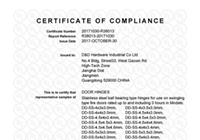
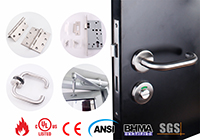
D&D panic bars are rigorously tested to ensure maximum safety and reliability in emergency situations. Certified to UL 10C, they provide up to 3 hours of fire resistance, maintaining door integrity under extreme conditions.

This certification underscores that even when our access control features are utilized, the fundamental life-saving function of the exit device remains uncompromised. Our design philosophy ensures that temporary locking mechanisms are separate from the free-egress panic function, which is always paramount.
Never Block Egress: The Allen key function should never be used to lock the door in a way that prevents someone inside from getting out. It is meant to secure the door from the outside.
Know Your Codes: NFPA 101 (Life Safety Code) and local regulations strictly govern exit door locking. "Locking" here usually means the outside lever/cylinder is disabled, not the inside push bar.
Use Temporarily: This is a temporary measure. For permanent access control, install separate, code-compliant access systems like electric strikes or delayed egress hardware.
Keep Keys Secure: Control access to the Allen keys as you would master building keys. They are a security tool.
Consult the Manual: Always refer to the installation and operation guide from the specific manufacturer. Procedures can vary.
Maintain Regularly: During routine maintenance, test the Allen key function to ensure it operates smoothly and doesn't interfere with the panic operation.
1
Locking a push bar door with an Allen key is a straightforward mechanical process, but it carries significant responsibility. By locating the hex socket, using the right key, and turning it correctly, you can secure a door for controlled entry without hindering emergency escape. Whether you are a facility manager, security professional, or building owner sourcing from Wholesale push bar distributors, always prioritize panic hardware from reputable push bar manufacturers like D&D HARDWARE that build certified, reliable products designed to protect both property and, most importantly, people. Remember, the true test of any exit device is not how well it locks, but how instantly and reliably it opens when lives depend on it.
For further information about panic bars or any of our services, please click to Contact us Now:
Contact: David Jian
Mobile No.: 0086-139 2903 7292
Email: sales@danddhardware.com