Views: 0 Author: D and D Hardware Publish Time: 2026-07-14 Origin: D and D Hardware


Selecting a door hardware supplier is one of the most important decisions in any commercial construction project. Whether you are a distributor, contractor, door manufacturer, or project buyer, the supplier you choose will directly impact product quality, project timelines, compliance, and long-term maintenance costs.
For projects requiring UL fire rated commercial door hardware, evaluating a supplier goes far beyond comparing prices. Buyers need to understand a manufacturer's certifications, production capabilities, quality management system, technical expertise, and after-sales support before placing an order.

This guide outlines the most important questions buyers should ask door hardware suppliers to help reduce procurement risks and identify reliable manufacturing partners.
Many procurement problems can be traced back to insufficient supplier evaluation before ordering.
Common issues include:
•Products that do not meet fire rating requirements
•Inconsistent product quality
•Delayed deliveries
•Limited customization capability
•Poor communication
•Lack of technical documentation
•Inadequate after-sales support
By asking the right questions during the supplier selection process, buyers can verify a manufacturer's capabilities before committing to a long-term partnership.

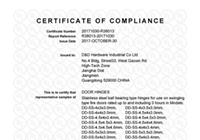
For commercial fire door projects, certification should always be your first concern.
Ask suppliers:
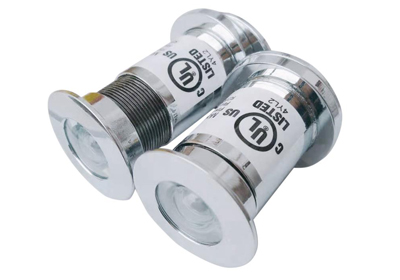
•Which products are UL Listed?
•What are your UL File Numbers?
•Which fire ratings do your products achieve?
•Are all product models covered by the certification?
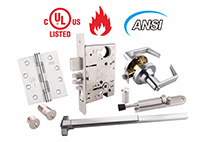
Qualified manufacturers should be able to provide documentation for products such as:
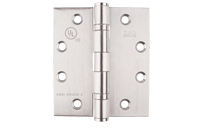
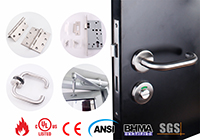
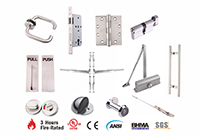
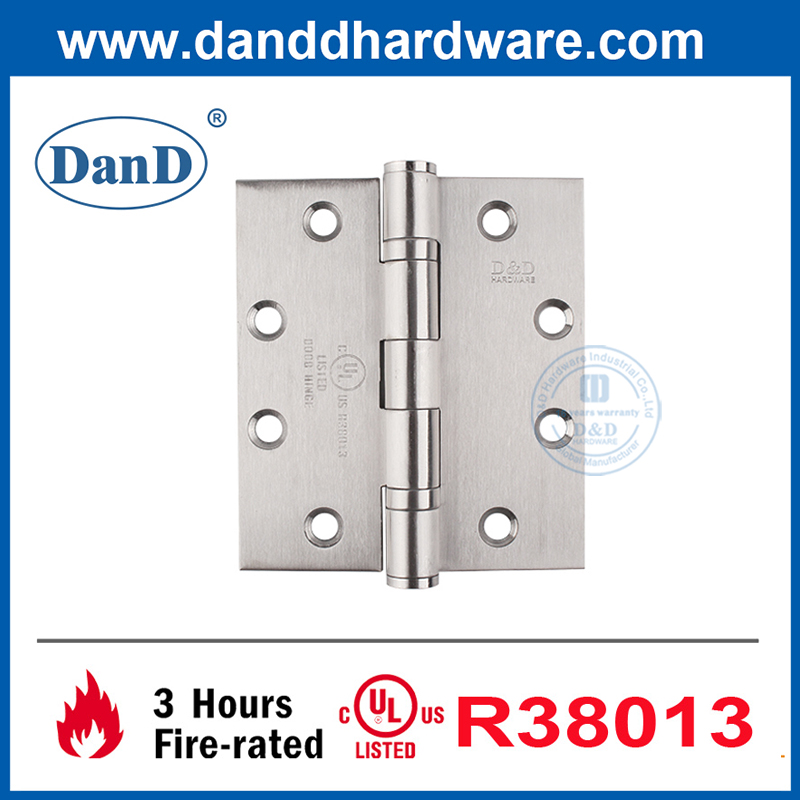
•UL Fire Rated Door Hinges, ANSI/BHMA Grade 1 & Grade 2
•UL Fire Rated Concealed Hinges
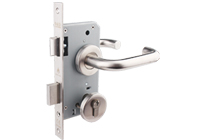
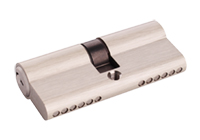
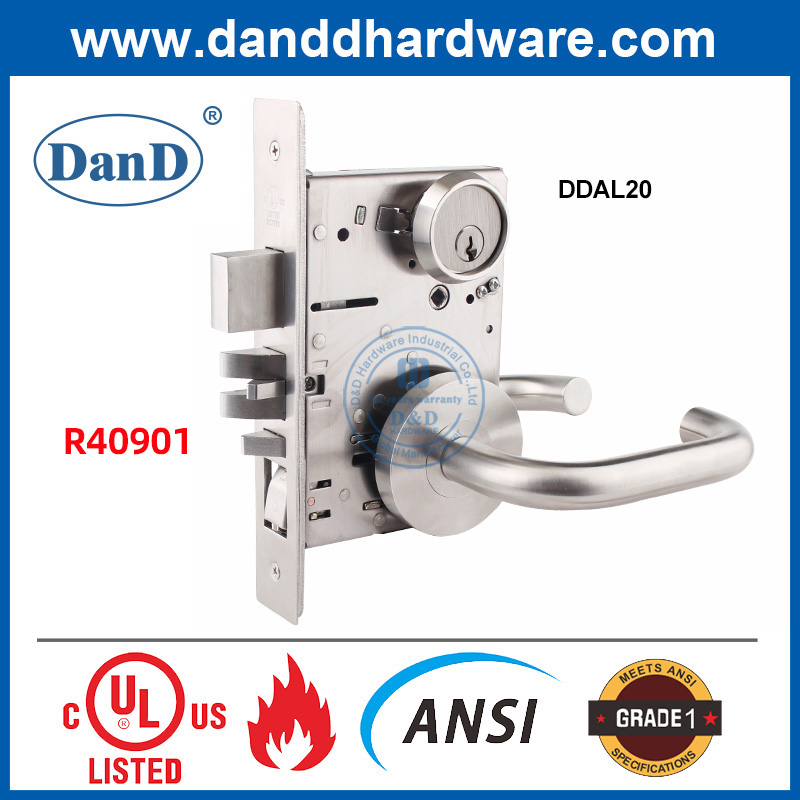
•UL Fire Rated Mortise Locks
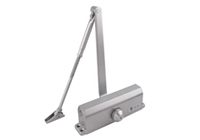
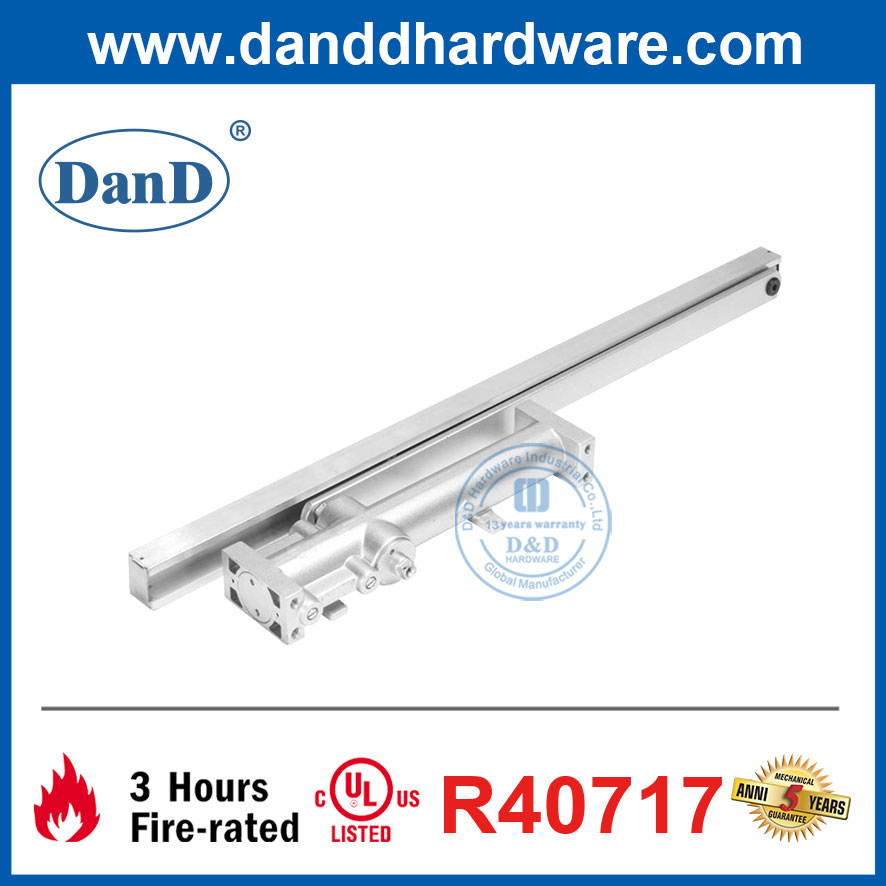
•UL Listed Door Closers
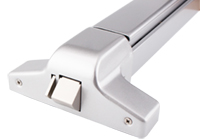
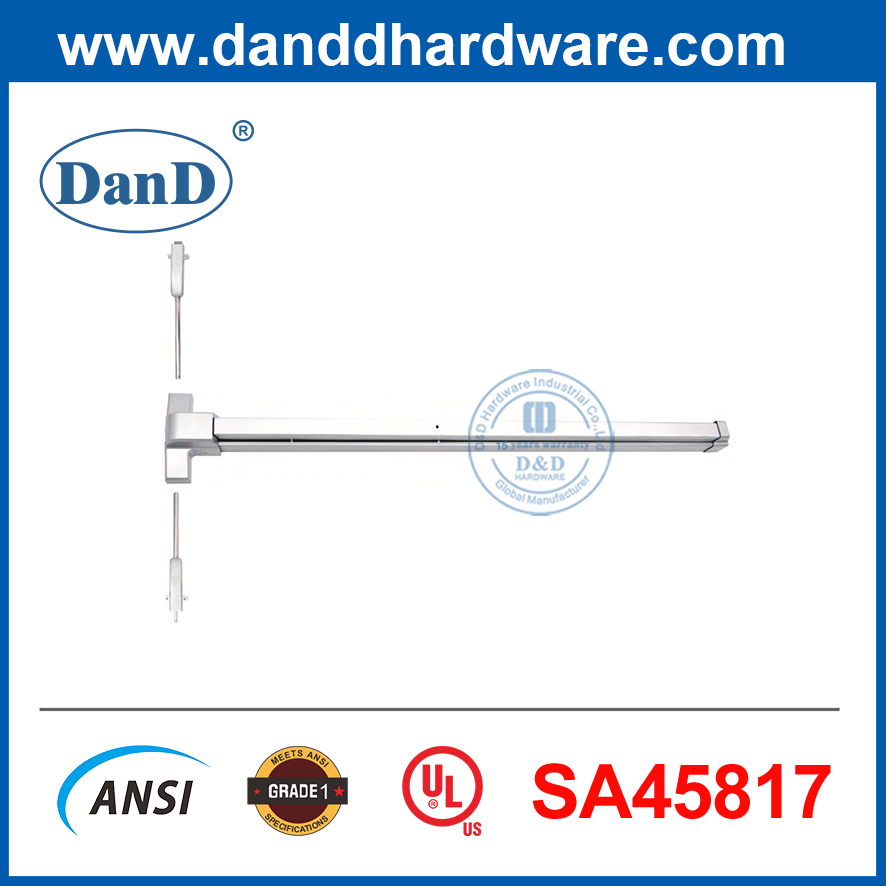
•UL Fire Exit Hardware
•UL 305 Panic Hardware
Remember that not every product in a manufacturer's catalog is necessarily UL certified. Always confirm that the exact product you intend to purchase is covered by the relevant certification.
Experience often reflects manufacturing maturity.
Ask about:
•Years in business
•Years exporting internationally
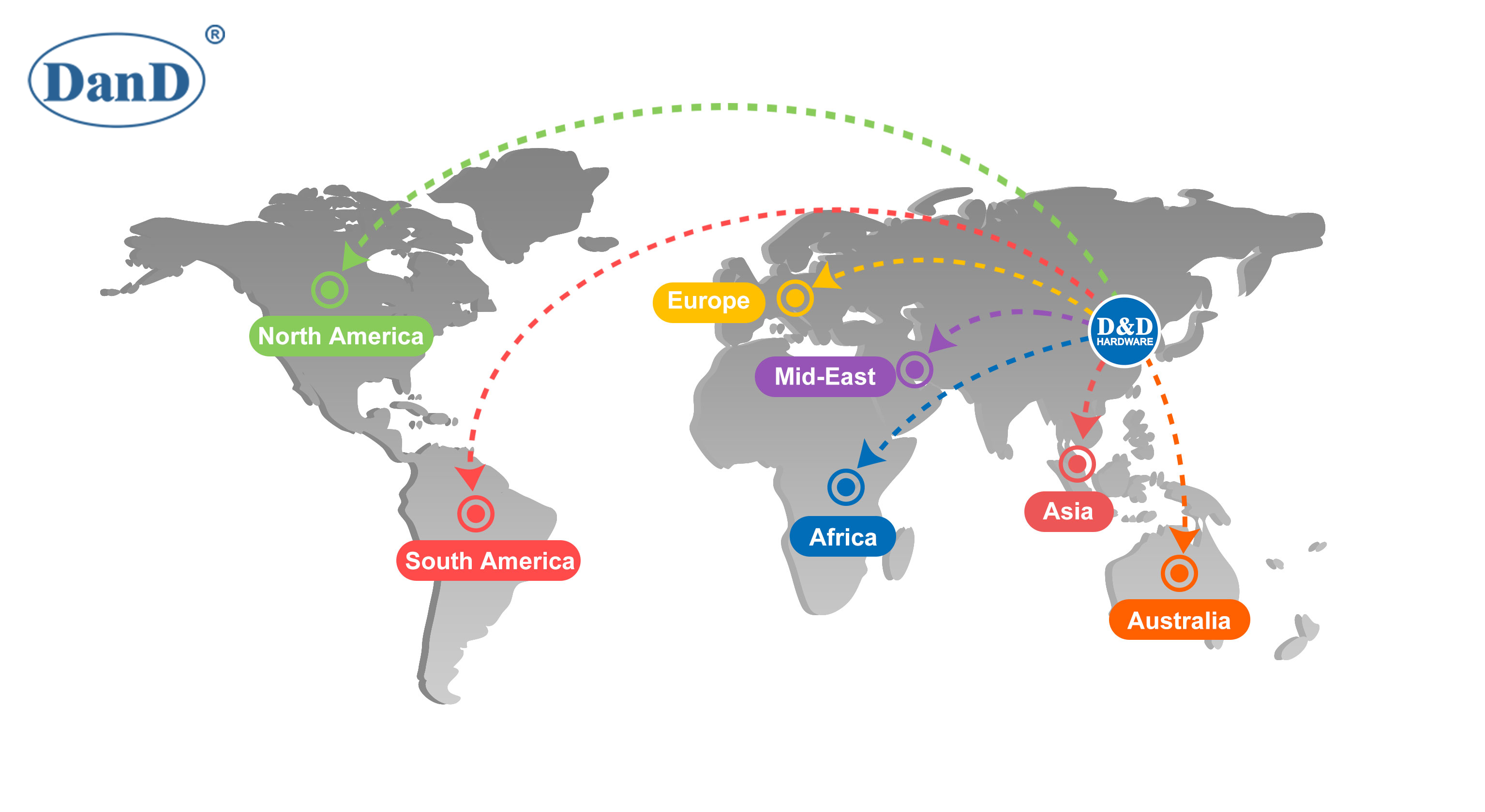
•Major export markets
•Commercial project experience
•Primary customer groups
Manufacturers with extensive experience supplying commercial buildings generally have better production systems, engineering expertise, and quality control processes than companies focused primarily on residential products.
Some suppliers are manufacturers, while others are trading companies.
Ask:
•Do you own the factory?
•Which production processes are completed in-house?
•Which processes are outsourced?
•Can customers visit the factory?
Working directly with a manufacturer typically offers advantages such as:
•Better quality control
•Faster technical communication
•Greater customization flexibility
•More competitive pricing
•Improved production visibility
Quality management is one of the strongest indicators of supplier reliability.
Ask suppliers about:
Incoming material inspection
How are raw materials inspected before production?
In-process quality control
Are inspections performed during manufacturing?
Final product inspection
What checks are completed before shipment?
Reliable manufacturers should have documented inspection procedures covering dimensions, functionality, appearance, assembly, and packaging.
Commercial door hardware must withstand demanding operating conditions.
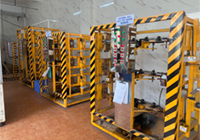
Ask whether the factory performs in-house testing for:
•Cycle testing
•Salt spray testing
•Load testing
•Door closer performance
•Lock durability
•Dimensional inspection
•Fire-related verification according to certified procedures
A supplier that invests in testing equipment is generally better positioned to deliver consistent product quality.
Commercial projects rarely use identical hardware specifications.
Ask whether the manufacturer can provide:
•OEM manufacturing
•Custom branding
•Product modifications
•Special finishes
•Custom packaging
•Engineering support
An experienced OEM manufacturer should also be able to assist with technical drawings, installation recommendations, and hardware scheduling.
Besides product certifications, evaluate the factory's quality management system.
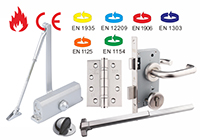
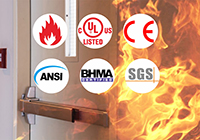
Ask about certifications such as:
•ISO 9001 Quality Management
•UL Product Certifications
•ANSI/BHMA Performance Standards
•CE Certifications (if applicable)
These certifications demonstrate that the manufacturer follows recognized manufacturing and quality standards.
Before awarding a commercial project, determine whether the supplier can meet your delivery schedule.
Questions include:
•Monthly production capacity
•Standard lead times
•Peak production capability
•Number of production lines
•Average delivery performance
Capacity planning is especially important for hotels, hospitals, schools, office buildings, airports, and other large commercial developments.
Professional manufacturers maintain production records for every batch.
Ask about:
•Batch identification
•Material traceability
•Inspection reports
•Production records
•Quality documentation
Traceability allows quality issues to be investigated quickly and supports long-term project maintenance.

Previous project experience helps validate a supplier's capabilities.
Request examples involving:
•Hotels
•Hospitals
•Schools
•Commercial offices
•Apartment buildings
•Airports
•Government facilities
A manufacturer with extensive commercial references is generally more familiar with project requirements and procurement processes.
A reliable supplier should provide more than just products.
Ask whether technical support includes:
•Hardware recommendations
•Product selection assistance
•CAD drawings
•Installation instructions
•Specification documents
•Product catalogs
•Technical consultation
Strong engineering support can prevent specification errors before products reach the construction site.
Procurement does not end when products leave the factory.
Ask suppliers:
•How are warranty claims handled?
•How quickly are technical questions answered?
•Are replacement parts available?
•How are quality issues investigated?
•Who is the dedicated project contact?
Responsive after-sales support helps reduce project delays if unexpected issues arise.
Proper packaging protects products during transportation.
Questions include:
•Are products individually protected?
•Are cartons reinforced?
•Is moisture protection provided?
•Can export labels be customized?
•Are pallets available?
Professional export packaging minimizes shipping damage and simplifies warehouse handling.
Communication quality often reflects overall supplier professionalism.
Evaluate:
•Response speed
•Technical knowledge
•English communication ability
•Documentation accuracy
•Quotation clarity
•Problem-solving approach
Suppliers who communicate clearly during the quotation stage are usually easier to work with throughout the project lifecycle.
Be cautious if a supplier:
•Cannot provide valid UL certification documents
•Gives inconsistent technical answers
•Avoids factory visits or virtual audits
•Has no documented quality control procedures
•Cannot explain testing methods
•Offers prices significantly below market levels without explanation
•Cannot provide commercial project references
•Responds slowly to technical inquiries
These warning signs may indicate higher procurement risks.
Before selecting a supplier, confirm that they can answer "yes" to the following:
✔ UL Listed products for commercial fire doors
✔ Experienced commercial door hardware manufacturer
✔ In-house production capability
✔ ISO-certified quality management
✔ Comprehensive quality inspections
✔ In-house testing equipment
✔ OEM and customization support
✔ Stable production capacity
✔ Technical documentation available
✔ Reliable after-sales service
Using a structured checklist makes supplier comparisons more objective and helps reduce purchasing risks.
Choosing a door hardware supplier should never be based on price alone. For commercial fire door projects, buyers need confidence that their supplier can consistently deliver certified products, maintain quality standards, support project schedules, and provide professional technical assistance.
By asking the right questions about certifications, manufacturing capability, quality management, testing, production capacity, engineering support, and after-sales service, procurement teams can make informed decisions and establish long-term partnerships with reliable manufacturers.
For buyers sourcing UL fire rated commercial door hardware, working directly with an experienced manufacturer that offers verified certifications, rigorous quality control, OEM capabilities, and dedicated project support is one of the most effective ways to ensure successful commercial procurement.