Views: 0 Author: D&D Hardware Publish Time: 2026-04-14 Origin: D&D HARDWARE


When a fire breaks out in a commercial building, every single second matters. The structural integrity of a building's escape routes can mean the difference between a safe evacuation and a devastating tragedy. While heavy fire doors get most of the attention, the hardware attached to them plays an equally critical role. If a door handle melts, warps, or jams due to extreme heat, the safest fire door in the world becomes a dangerous trap.
Fire-rated door handles are heavily engineered pieces of hardware designed to maintain door integrity and operability during severe emergencies. These handles are not standard commercial fixtures. They undergo rigorous testing to ensure they can withstand blistering temperatures while allowing occupants a clear, functional path to safety.

Understanding the specific requirements, materials, and certifications behind these handles will help you make the right choice for your building. This guide explains everything you need to know about fire door handles, from international safety standards to the best materials for the job.
Standard door hardware is designed primarily for privacy, security, and everyday use. A fire door handle, on the other hand, must fulfill a much higher standard. It has to keep the door securely latched to prevent the spread of smoke and flames, while still allowing people to open the door easily from the inside.
To achieve this, manufacturers build these handles with internal mechanisms that resist extreme thermal expansion. When standard metals warp and bind under heat, fire-rated mechanisms retain their shape. This guarantees that emergency personnel can access the building and occupants can exit without fighting a jammed latch.

Not all fire-rated hardware is created equal. Building codes dictate specific levels of fire resistance based on the door's location and the building's overall fire strategy. You will typically see handles certified for 30, 60, 90, or up to 180-minute (3-hour) fire ratings.
These timeframes indicate exactly how long the hardware can endure direct fire exposure before failing. To earn these ratings, the hardware must pass intense laboratory testing under internationally recognized standards.
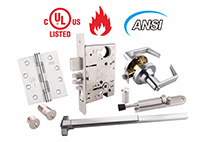
In North America, the UL 10C standard is the benchmark for fire door hardware. This test evaluates how the door assembly behaves under positive pressure. Real-world fires create a buildup of pressure that pushes against doors and hardware. UL 10C certification ensures that the fire door handle remains latched and functional even as the pressure and heat attempt to force the door open.
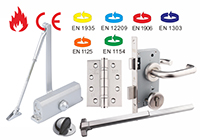
For the European market, the EN 1634-1 standard measures the fire resistance of doors and their hardware components. Testing involves exposing the door handle to a furnace that mimics a highly controlled fire environment. Passing this test means the handle successfully prevented fire from breaching the doorway for the designated time period.

You cannot compromise on materials when outfitting a fire door. Plastic, aluminum, and cheap alloys have low melting points, making them completely unsuitable for fire-rated applications.
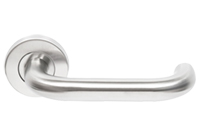
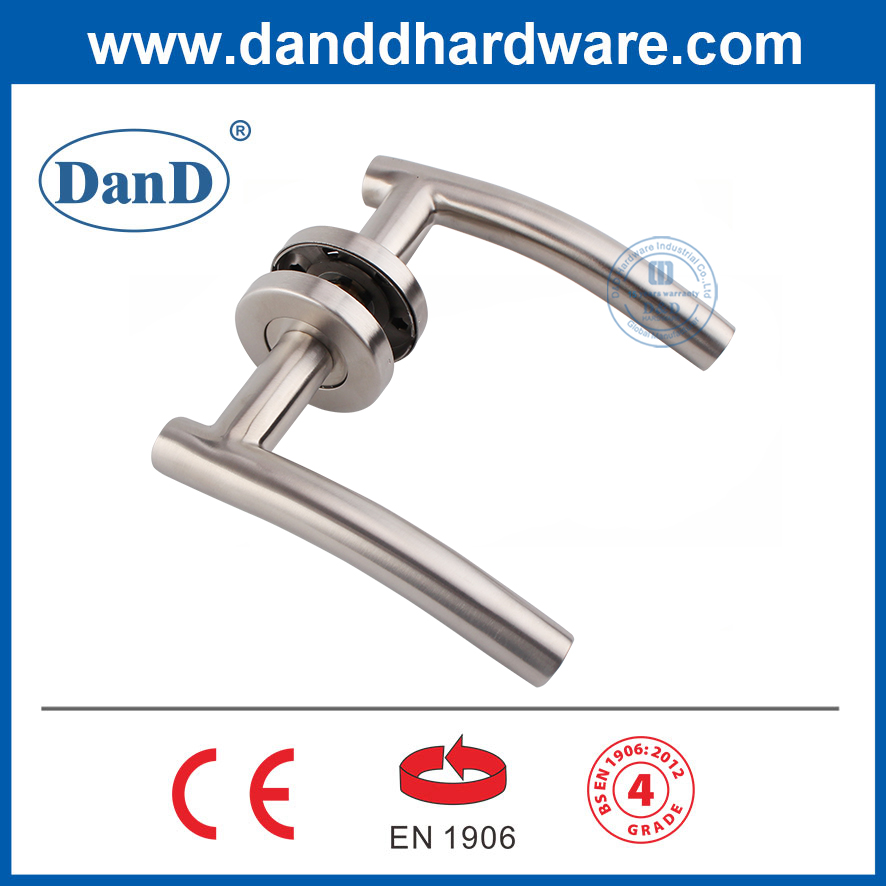
Stainless steel is the industry standard for a fire rated door handle. Grade 304 and Grade 316 stainless steel offer incredibly high melting points, well above the temperatures typical of a standard building fire. Furthermore, stainless steel resists corrosion, ensuring the internal latching mechanisms do not rust and fail over time.
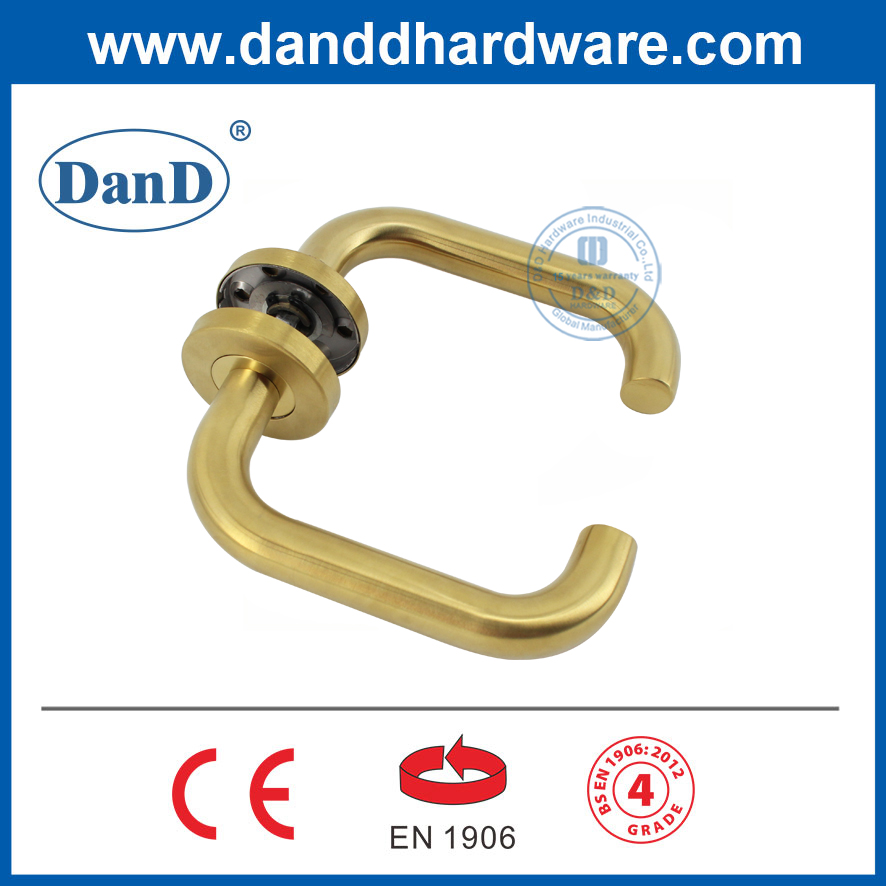

Solid brass is another excellent option for fire-rated hardware. While its melting point is slightly lower than that of stainless steel, it is still more than sufficient for passing strict fire tests. Brass provides exceptional durability and offers an aesthetic appeal that architects often prefer for high-end commercial spaces, hotels, and office buildings.
Commercial environments demand hardware that handles heavy traffic day in and day out. When selecting a fire door handle, you must look beyond just the fire rating and consider how the hardware functions during normal operations.
The American National Standards Institute (ANSI) grades door hardware based on longevity and durability. A Grade 2 designation means the handle is built for heavy-duty commercial use. It can easily withstand over 400,000 cycles of opening and closing. This ensures the handle will not loosen or wear out prematurely, keeping the fire door secure at all times.
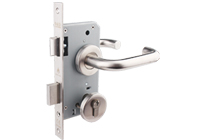
Accessibility is a legal requirement in modern commercial buildings. Fire-rated lever handles must be compliant with the Americans with Disabilities Act (ADA). This means the handle must be easy to operate without requiring tight grasping, pinching, or twisting of the wrist. A simple downward push should be all it takes to retract the latch, allowing everyone, regardless of physical ability, to exit safely.
Sourcing your hardware from a reputable manufacturer is the best way to ensure building compliance and occupant safety. You want a partner with a proven track record of producing certified, high-quality hardware.
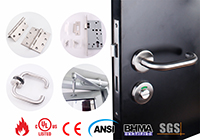
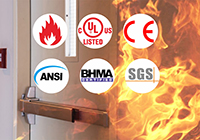
D&D Hardware is a premier fire door handle manufacturer with over 18 years of industry experience. Operating out of an ISO 9001 certified facility, they provide comprehensive door opening solutions for commercial buildings globally. Their fire door handle options are tested to international standards, including UL, CE, ANSI, and BHMA.
By working directly with an experienced manufacturer, you gain access to global expertise, competitive factory-direct pricing, and hardware backed by a robust 10-year mechanical guarantee.

No. Installing standard, uncertified hardware on a fire-rated door immediately voids the door's fire rating. During a fire, standard hardware will likely melt or warp, causing the door to spring open and allow fire to spread rapidly.
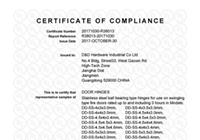
Fire-rated handles typically feature a permanent stamp, engraving, or label indicating their certification. You should look for markings such as UL, CE, or specific standards like EN 1634-1 or UL 10C. You should also request the certification documents from the manufacturer before purchase.
Yes. You should regularly inspect fire door hardware to ensure the latch engages fully and the handle returns to its resting position smoothly. Any loose screws should be tightened, and if the handle shows signs of binding, it must be repaired or replaced immediately.
Building safety relies heavily on the smallest details. Equipping your commercial space with certified fire-rated door handles ensures that your fire doors will perform exactly as intended during a crisis. By prioritizing high-quality materials like stainless steel, demanding UL or EN certifications, and choosing ADA-compliant commercial designs, you create a safer environment for everyone.
Always consult with a qualified manufacturer to select the correct hardware for your specific building codes and door configurations.
For further information about lever handle or any of our services, please click here.
Contact: David Jian
Mob: 0086-139 2903 7292
Email: sales@danddhardware.com