Views: 0 Author: D and D Hardware Publish Time: 2026-05-21 Origin: D and D Hardware


Quick answer: UL listed fire door hardware includes components like hinges, locks, closers, and panic bars that have passed rigorous safety evaluations, such as the UL 10C positive pressure test. These certified components ensure commercial doors meet NFPA 80 standards, effectively compartmentalizing buildings to prevent the spread of fire and smoke.
Proper fire safety is a fundamental requirement for any commercial building project. Building codes demand strict adherence to life safety standards, which means facility managers, contractors, and architects must pay close attention to the components they install. A fire door is only as strong as its weakest link. If a hinge melts or a lock fails during a high-heat emergency, the entire door assembly loses its integrity, putting lives and property at significant risk.
To prevent these catastrophic failures, regulatory bodies rely on rigorous testing and certification processes. This ensures that every piece of hardware attached to a fire door can withstand extreme conditions for a specified period. When building professionals source components from a reliable ul listed door hardware manufacturer, they guarantee that the building meets modern safety requirements and passes necessary inspections.
Understanding the specific terminology, testing methods, and compliance standards surrounding these components can be confusing. This guide breaks down the essential information regarding UL certification, the differences in testing standards, and how to select the right fire rated door hardware for your next project.

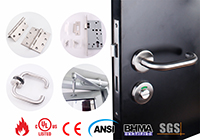
Underwriters Laboratories (UL) is a globally recognized independent safety science company that tests and certifies products. When hardware carries a "UL Listed" mark, Underwriters Laboratories has tested representative samples of the product and determined that it meets specific, defined requirements.
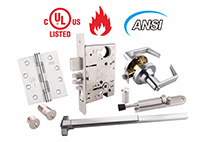
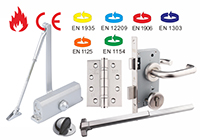
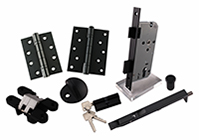
For fire doors, UL listed door hardware refers to essential mechanical components—such as hinges, locks, door closers, and exit devices—that maintain their structural integrity during a fire. These hardware components are designed to keep the door securely closed and latched, compartmentalizing the building to stop the rapid spread of flames and toxic gases. Using ul door hardware is not optional in commercial construction; it is a mandatory requirement enforced by local building authorities to ensure public safety.
Testing agencies evaluate fire doors and their hardware using specific testing protocols. The two most common historical protocols are UL 10B and UL 10C, but they evaluate hardware under different atmospheric conditions.
The UL 10B standard is a neutral pressure fire test. During the UL 10B test, the neutral pressure plane sits at the top of the door. This means the entire door assembly experiences negative pressure, drawing cool air into the furnace from the outside.
Conversely, the UL 10C fire test is a positive pressure fire test. During the UL 10C test, the neutral pressure plane is established at 40 inches above the floor. Therefore, the upper portion of the door assembly pushes hot gases and smoke outward, mimicking the actual conditions of a real building fire much more accurately. Because positive pressure testing is a more realistic simulation of fire behavior, building codes have largely adopted UL 10C as the primary standard for fire-rated assemblies.

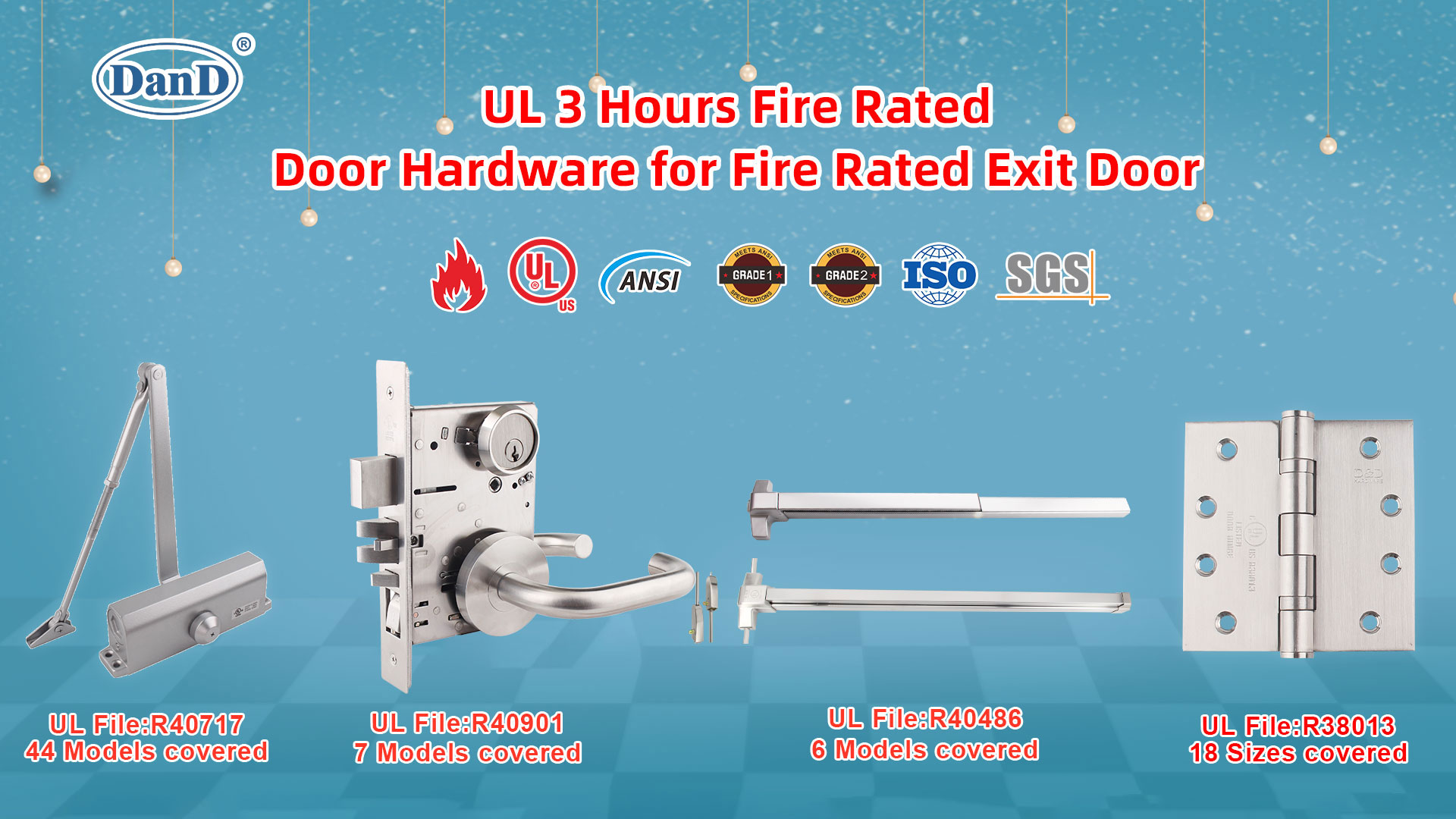
To maintain a fire-rated opening, every mechanical component attached to the door must be certified. According to NFPA 80 guidelines, mechanical hold-open devices are strictly prohibited on fire-rated openings. The following components require rigorous UL certification:
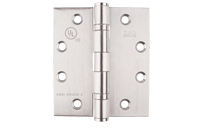
Fire-resistant hinges: NFPA 80 requires labeled conventional hinges made from steel or stainless steel. A standard opening up to 60 inches in height requires two hinges, with one additional hinge required for each additional 30 inches of door height. Ball bearing hinges are generally required to ensure the door swings smoothly.
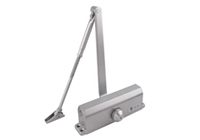
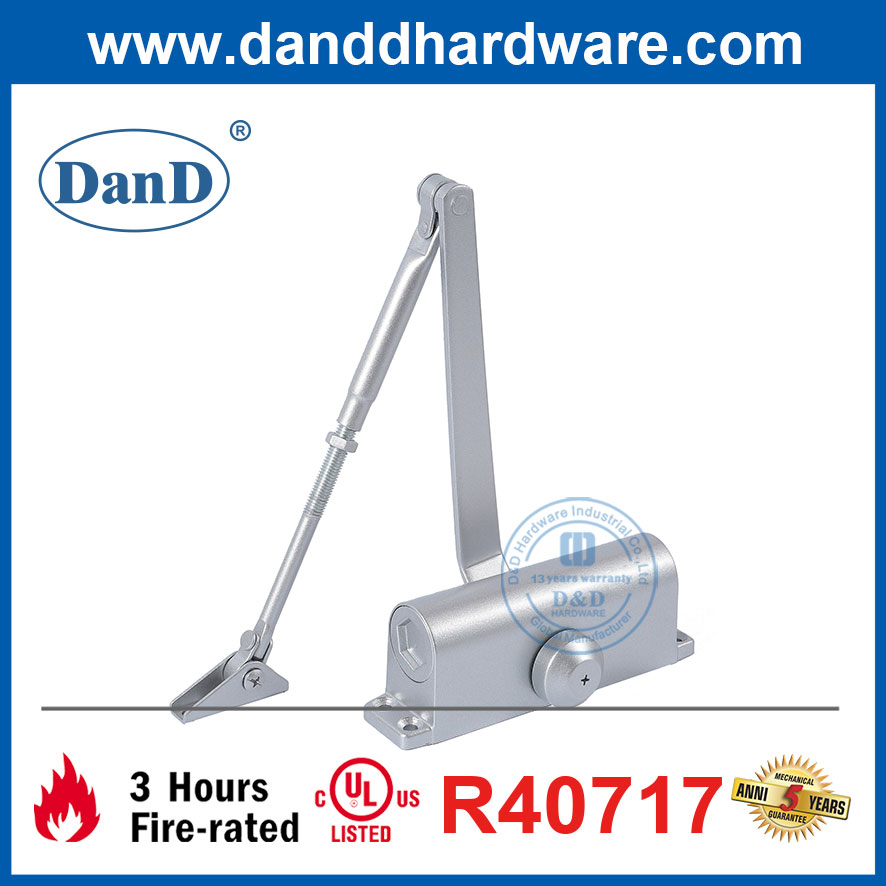
Door closers: A fire-rated door must be self-closing or automatic-closing. Listed door closing devices ensure the door returns to the closed position and the latch engages the strike after every opening cycle.
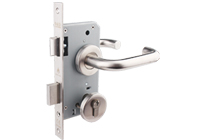
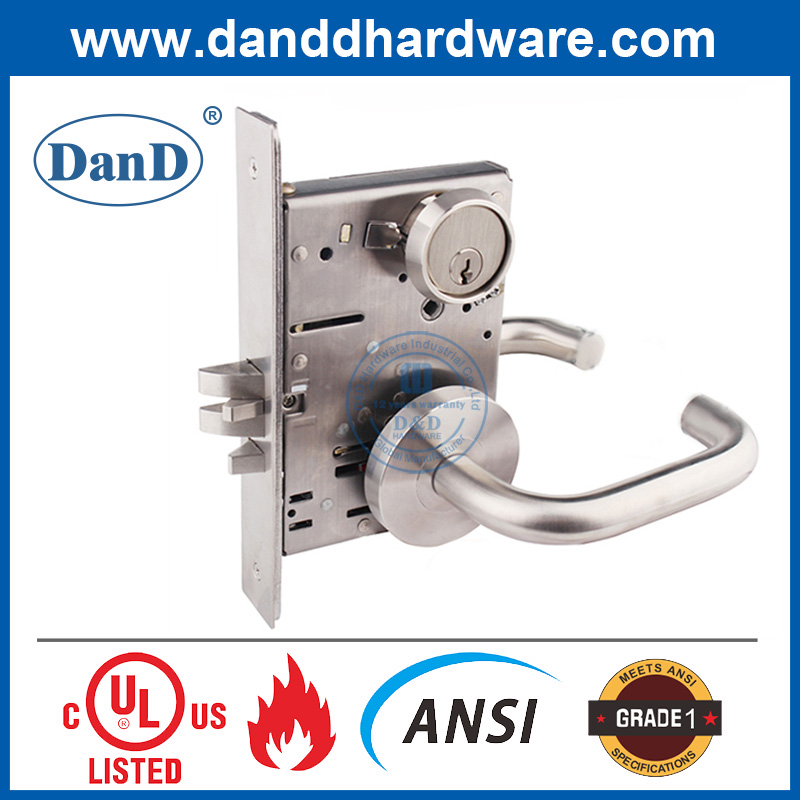
Latching devices and locks: Latching devices must hold the door securely closed under extreme pressure. The latch bolt must not be mechanically held in the retracted position.
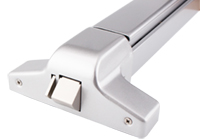
Panic bars and fire exit hardware: Fire exit hardware consists of exit devices specifically tested for fire-rated openings. Unlike standard panic hardware, fire exit hardware cannot be mechanically dogged open.
1
The National Fire Protection Association (NFPA) publishes NFPA 80, which serves as the standard for fire doors and other opening protectives. NFPA 80 compliant hardware is categorized by its fire rating, which indicates the duration the hardware can withstand fire exposure.
Common fire ratings include 20 minutes, 45 minutes, 60 minutes, 90 minutes, and 3 hours (180 minutes). The required rating for a door assembly depends on the wall's location and purpose within the building. For example, a door separating a stairwell from a main corridor typically requires a 90-minute or 3-hour rating to protect the primary egress route. A door dividing two standard office spaces might only require a 20-minute rating. Every piece of hardware on the door must have a fire rating equal to or greater than the required rating of the door itself.
Selecting the appropriate UL listed door hardware requires evaluating the specific code requirements of your building. Follow these decision criteria when sourcing components:
Choose a 3-hour fire-rated exit device if your door is located in a high-risk area, such as a major stairwell enclosure or an exterior exit in a high-occupancy commercial building.
Choose standard ball bearing stainless steel hinges if you need durable, long-lasting hardware for heavy traffic doors that require a standard 180-minute rating.
Choose an automatic-closing device linked to the building's fire alarm system if the facility requires doors to remain open during normal daily operations but must close instantly during an emergency.

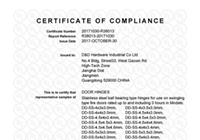
Always verify that the hardware manufacturer provides official UL certification documentation. Companies that supply complete sets of UL 10C fire-rated hardware can assist in finding code-compliant solutions tailored to specific commercial and institutional applications.
Ensuring your facility meets local fire codes requires meticulous planning and reliable components. By understanding the importance of UL 10C positive pressure testing and NFPA 80 compliance, builders and architects can source the correct components with confidence. Partner with a certified hardware manufacturer to audit your project plans, review your required fire ratings, and procure the necessary hardware to keep your occupants safe.

Installing non-UL listed hardware voids the entire fire rating of the door assembly. Building inspectors will flag the opening during inspections, forcing the building owner to replace the non-compliant hardware or face severe fines and occupancy restrictions.
UL listed fire door hardware typically costs 20% to 40% more than non-rated commercial hardware. This price increase reflects the heavy-duty materials, such as high-grade stainless steel, and the extensive third-party laboratory testing required to achieve certification.
No. Modifying UL listed hardware in the field—such as drilling extra holes, cutting the device, or altering the latching mechanism—immediately voids the UL certification and the door's fire rating. All necessary preparations must be performed at a certified manufacturing facility.
According to NFPA 80, fire door assemblies and their associated hardware must be visually inspected and functionally tested at least once a year by a qualified individual. Facilities must maintain written records of these annual inspections for the authority having jurisdiction (AHJ).
For further information about UL door hardware or any of our services, please click to Contact us Now:
Contact: David Jian
Mob: 0086-139 2903 7292
Email: sales@danddhardware.com