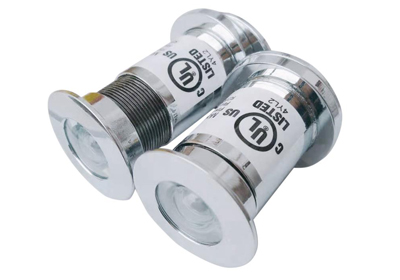


A door viewer, often referred to as a peephole, is a simple yet essential security device installed in an entry door. It allows a person inside a home or room to observe the outside area without opening the door, providing a critical layer of security, privacy, and convenience. Typically consisting of a wide-angle lens and a viewing piece, door viewers have evolved from basic optical models to advanced digital versions, becoming a standard feature in residential, hotel, and commercial security.
The primary function of a door viewer is to prevent unwanted surprises by enabling visual identification of visitors. In an era where safety is paramount, this tool serves as a first line of defense, allowing occupants to verify the identity of delivery personnel, neighbors, or strangers before deciding to engage.
Door viewers come in various designs, each catering to different needs and technological preferences. The table below summarizes the main types available on the market.
| Type of Door Viewer | Key Features | Best For |
|---|---|---|
| Optical Peephole | Traditional wide-angle lens (usually 180-200°), inexpensive, easy to install. | Standard residential doors, budget-conscious users. |
| Digital Door Viewer | Electronic screen, video recording, night vision, motion detection. | High-security homes, tech-savvy users, elderly individuals. |
| Wide-Angle Viewer | Extra-wide field of view (up to 200°), often with anti-distortion lenses. | Apartments, homes with poor exterior lighting. |
| Two-Way Viewer | Allows viewing from both inside and outside (with privacy lock). | Vacation rentals, offices, shared spaces. |
| Peephole Camera | Hidden camera integrated into peephole, connects to smartphone via Wi-Fi. | Remote monitoring, smart home integration. |
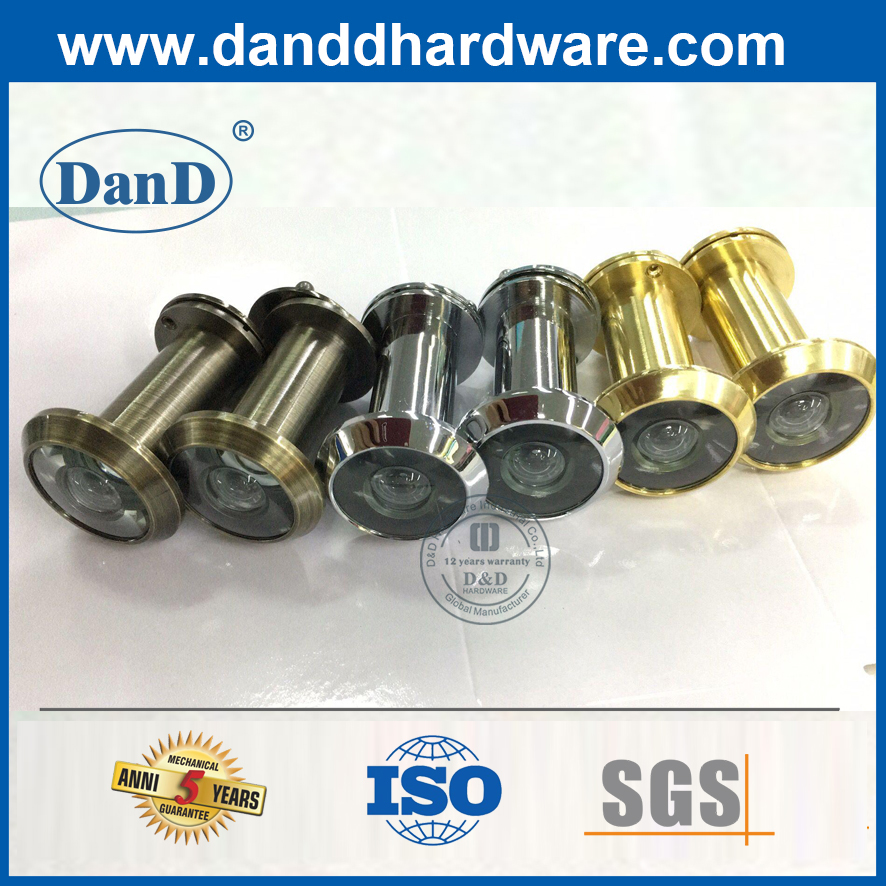
A standard optical door viewer comprises two main parts: the objective lens (facing outside) and the eyepiece lens (facing inside). These are connected by a light-focusing barrel. The wide-angle objective lens captures a broad view of the exterior, which is then narrowed and magnified by the eyepiece for clear vision. High-quality viewers include features like frosted covers or privacy shields to prevent outsiders from looking in.
Modern digital viewers replace the optical system with a small camera and an interior LCD screen. These often include infrared LEDs for night vision and may offer recording capabilities, storing footage when motion is detected.
Enhanced Security: Verify visitors without exposing yourself or unlocking the door.
Increased Privacy: Maintain discretion, especially in apartments or densely populated areas.
Safety for Vulnerable Individuals: Provides confidence for children, elderly, or those living alone.
Deterrent Effect: Visible peepholes can discourage potential intruders.
Convenience: Quickly check for deliveries or identify guests without interruption.
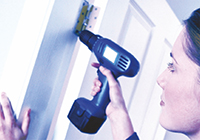
Installing a door viewer is generally straightforward. For optical types, it requires drilling a hole at an appropriate height (usually about 60 inches/152 cm from the floor) and screwing the viewer into place. Digital models may need wiring or battery management. Key factors to consider include door thickness, viewer angle, and lighting conditions. For doors wider than 2 inches (5 cm), an extension lens may be required.
Q: Can someone see inside through a door viewer?A: With traditional optical viewers, it is possible if someone uses a reverse peephole device. However, most quality viewers include a fisheye lens and a closing cover or one-way optical design to prevent this. Digital viewers have no outward lens, eliminating this risk.
Q: Are door viewers suitable for all types of doors?A: They work best on solid wood, metal, or composite doors. Glass or very thin hollow-core doors may not support standard viewers, but surface-mounted digital options are available.
Q: What is the ideal viewing angle?A: A 180-degree to 200-degree angle is standard, allowing you to see visitors directly in front and peripherally. Wider angles reduce blind spots.
Q: How do I maintain a door viewer?A: Keep lenses clean with a soft, dry cloth. For digital models, follow manufacturer guidelines for software updates and battery replacement.
Q: Can I install a door viewer myself?A: Yes, most come with installation templates and require only a drill and screwdriver. However, for integrated smart home systems, professional installation might be advisable.
Q: Are digital door viewers worth the extra cost?A: They offer significant advantages: night vision, recording, remote viewing, and often better visibility for those with vision impairments. For enhanced security, they are a valuable investment.
A door viewer is more than a simple peephole; it is a fundamental component of modern home security. From the traditional optical lens to advanced digital systems, it provides a critical barrier between safety and vulnerability. By allowing visual verification of visitors, it empowers individuals with control over their privacy and security at the doorstep. Whether you choose a basic model for a rental apartment or a smart viewer integrated into a home automation system, installing a door viewer is a small step that significantly contributes to peace of mind and personal safety. In today's world, seeing who is on the other side of the door isn’t just convenient—it’s essential.