Views: 0 Author: D&D Hardware Publish Time: 2025-12-11 Origin: D&D HARDWARE


Home security doesn't always require high-tech cameras or expensive alarm systems. sometimes, the simplest solutions are the most effective. A door peephole viewer is a fundamental line of defense for any residential or commercial property, allowing you to identify visitors without opening your door. But with various materials, viewing angles, and finishes available, choosing the right one can feel surprisingly complex.

This guide explores the essential features of high-quality door viewers and helps you determine which model best suits your needs. Whether you are outfitting a new apartment complex or upgrading your home entry, understanding the nuances of viewing angles and durability will ensure you make the right choice for your security.

In an era of smart doorbells and video intercoms, the traditional optical door peephole viewer remains a staple for a reason: reliability. It requires no batteries, no Wi-Fi connection, and no subscription fees. It is always ready when you need it.
However, not all viewers are created equal. A cheap plastic lens might become cloudy over time or offer a narrow field of view, leaving blind spots where a person could hide. Investing in a high-quality viewer ensures clarity and durability, providing peace of mind every time someone knocks.
The primary function of a door viewer is safety. It acts as a barrier, giving you the advantage of seeing out without being seen. High-quality models often come with privacy covers to prevent reverse visibility, ensuring that no one can use a special tool to peer inside your home.
Front doors are exposed to the elements. Humidity, temperature changes, and frequent use can degrade inferior materials. The best viewers are constructed from robust metals like brass, zinc alloy, or stainless steel, which resist rust and corrosion much better than plastic alternatives.

When shopping for the best door peephole viewer, several technical specifications will dictate performance. Here is what you need to know to decipher the product descriptions.
The viewing angle is arguably the most critical feature. It determines how much of the area outside your door you can actually see.
160 Degrees: This is a standard wide angle. It allows you to see a visitor standing directly in front of the door but might leave blind spots to the extreme left or right.
180 Degrees: A significant upgrade, offering a panoramic view that covers almost everything from ear to ear.
200 Degrees: This ultra-wide angle is often considered superior for high-security needs. It offers maximum visibility, allowing you to see if someone is crouching below the peephole or standing pressed against the wall next to the door.
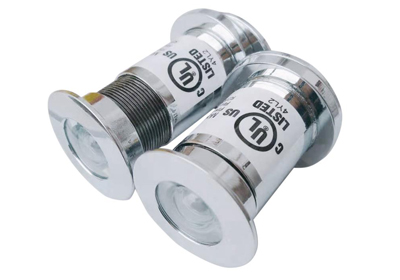
For commercial and residential buildings where safety is paramount, opting for a wider angle like the D&D 200-degree viewer is often the smartest choice.
As mentioned, durability is key. Look for viewers made from:
Solid Brass: Offers excellent durability and a classic look.
Zinc Alloy: A strong, rust-resistant option that is often more affordable.
Stainless Steel: The gold standard for modern aesthetics and extreme weather resistance.
D&D Door Peephole viewers, for example, are crafted from these high-grade materials to ensure they remain anti-rust and durable over years of use.
The clarity of the image depends on the optical glass used in the viewer. Plastic lenses scratch easily and can yellow with UV exposure. High-quality glass or resin lenses provide a sharp, clear image that allows you to easily recognize faces and ID badges.
Your door hardware should match. If you have a satin nickel handle, a bright brass peephole might clash. The best manufacturers offer a variety of finishes to coordinate with your existing decor.
Common finishes include:
BP: Brass Plated
CP: Chrome Plated
NP: Nickel Plated
GP: Gold Plated
AB: Antique Brass
AC: Antique Copper
MB: Matte Black
D&D wide angle door viewer peepholes are available in these diverse finishes, making it easy to find a match for any architectural style.
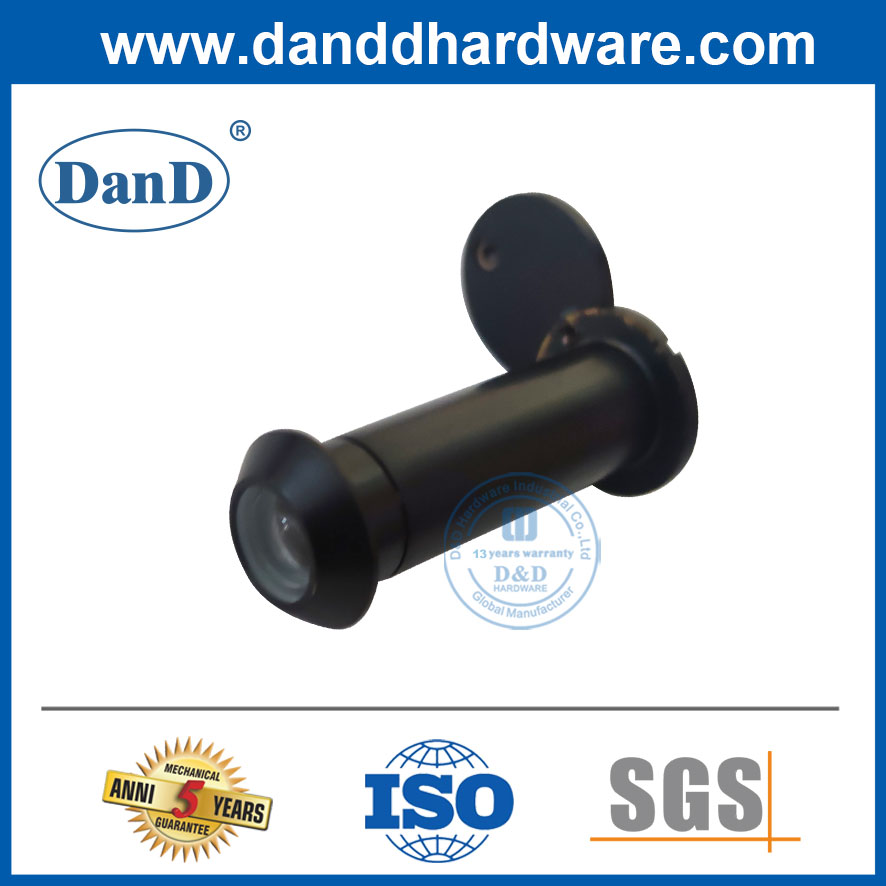
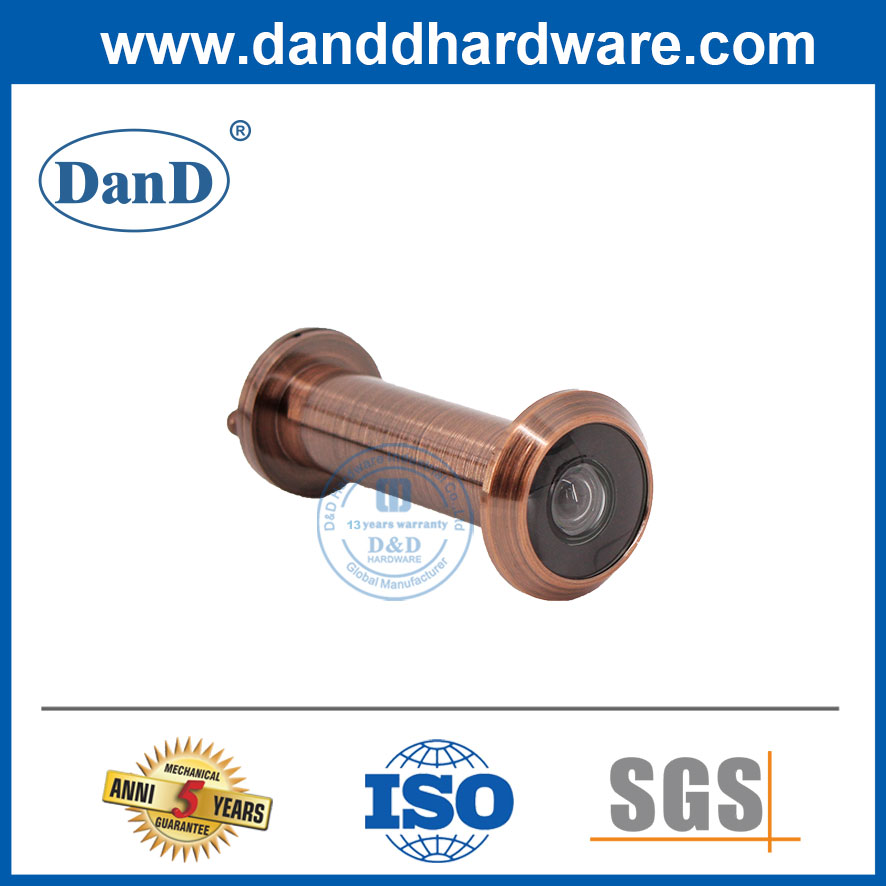
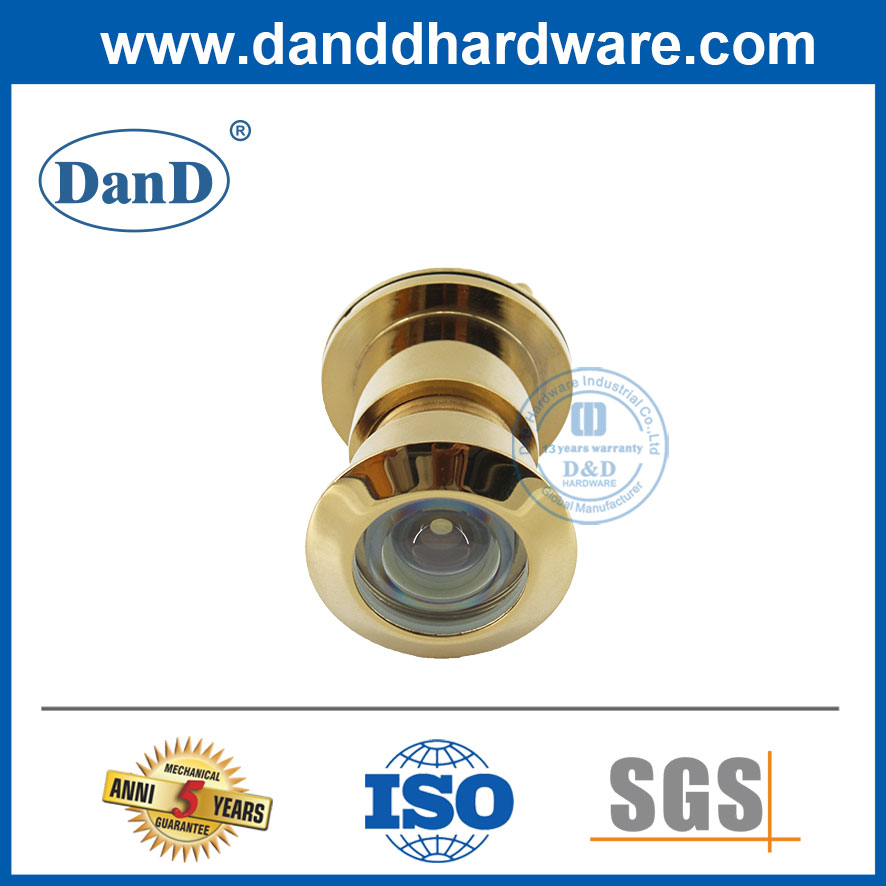


Before purchasing a viewer, you must measure your door. Viewers are not one-size-fits-all.
Door Thickness: Most viewers are adjustable to fit a range of door thicknesses (e.g., 35mm to 55mm). Ensure the barrel length of the viewer matches your door's depth.
Bore Diameter: You will need to drill a hole through your door to install the viewer. The diameter of the viewer barrel must match the drill bit size. Standard sizes usually range from 12mm to 16mm.
Installation is generally a simple DIY project requiring only a drill and a screwdriver, but accurate measurement is crucial to ensure a tight, secure fit that doesn't rattle or rotate.
While this guide focuses on optical viewers, it is worth noting the existence of digital door viewers. These replace the optical lens with a camera and an LCD screen on the inside of the door.
Pros of Digital:
Great for children or people with height/vision accessibility issues (the screen is easier to see than a small hole).
Some offer recording capabilities.
Cons of Digital:
Requires batteries.
Can be bulky on the inside of the door.
Higher cost.
Potential for electronic failure.
For pure reliability and "set it and forget it" simplicity, a high-quality optical door peephole viewer remains the preferred choice for many property managers and homeowners.

Once installed, a door viewer requires very little maintenance. However, to keep the view clear:
Clean the Lens: Periodically wipe both the interior and exterior lenses with a soft, microfiber cloth. Avoid abrasive cleaners that could scratch the glass or strip the finish.
Check Tightness: Occasionally check that the viewer hasn't loosened over time due to door slamming. If it spins, simply tighten it from the inside using a coin or a flathead screwdriver in the barrel slots.

1
Choosing the best door peephole viewer comes down to balancing visibility with durability. A flimsy viewer provides a false sense of security, while a robust, wide-angle model acts as a genuine safety tool.
When selecting your hardware, prioritize a wide viewing angle (180 to 200 degrees) to eliminate blind spots. Insist on quality materials like brass or steel to prevent rust, and select a finish that complements your home's aesthetic. Whether you manage a large commercial building or simply want to feel safer in your own home, the right peephole is a small investment that delivers significant peace of mind.
For further information about door viewer or any of our services, please click to Contact us Now:
Contact: David Jian
Mob: 0086-139 2903 7292
Email: sales@danddhardware.com