Views: 0 Author: Site Editor Publish Time: 2026-01-26 Origin: Site


When an emergency strikes, every second counts. Whether it is a fire, a security threat, or a power outage, the ability to evacuate a building quickly and safely is not just a convenience—it is a life-saving necessity. This is where the specific mechanics of your doors come into play. You have likely pushed through hundreds of these doors in shopping malls, hospitals, and schools without giving them a second thought. But for building managers and architects, understanding the hardware that makes this possible is critical.
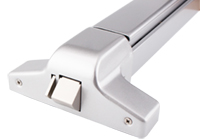
Fire exit hardware, often recognized by the horizontal bar running across the door, is designed to allow fast, unhindered egress. Unlike standard door locks that might require a key, a code, or a specific turning motion, this hardware operates with a simple push. This intuitive design ensures that a crowd of people pressing against the door will trigger the latch, allowing the door to swing open immediately.
However, not all exit devices are created equal. There are distinct differences between "panic hardware" and "fire exit hardware," and choosing the wrong one can lead to code violations or, worse, safety failures. This guide answers the most common questions regarding these devices, explaining what they are, how they differ, and which type you need for your facility.
At its core, fire exit hardware (also known as a fire exit device) is a locking mechanism designed for doors that are required to provide both rapid evacuation and protection against the spread of fire.
These devices differ from standard locks because they must meet two competing requirements. First, they must allow people to leave quickly without special knowledge or effort. Second, they must keep the door securely latched when not in use to prevent fire and smoke from spreading between compartments.
A key defining feature of certified fire exit hardware is the absence of a mechanical "dogging" function. Dogging is a feature found on standard panic bars that allows the latch to be held retracted, keeping the door physically unlocked and push-pull accessible. Fire doors, however, must remain self-latching to contain a fire. Therefore, hardware listed for fire exits cannot have a mechanical way to hold the latch open unless it is connected to the building's fire alarm system (which would release the latch if the alarm sounds).
While the function is similar across the board—push to exit—the form factor and locking mechanism vary significantly depending on the door type and security needs. Here is a breakdown of the most common styles available on the market.
This is the most common and easiest type to install. The locking mechanism and the latch bolt are mounted on the surface of the door. The latch projects into a strike plate mounted on the door frame.
Best for: Single doors and double doors with a removable mullion.
Pros: Easy maintenance and installation.
These devices use rods that connect the push bar to latches at the top and bottom of the door. They come in two varieties: Surface Vertical Rod (SVR), where the rods are visible, and Concealed Vertical Rod (CVR), where rods are hidden inside the door.
Best for: Double doors without a center mullion.
Pros: Two latching points provide greater security and stability for tall doors.
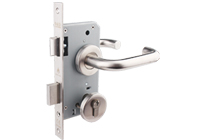
This is a high-security option where the locking mechanism is embedded (mortised) into the edge of the door, similar to a standard residential lock, but operated by a crash bar.
Best for: High-traffic areas requiring durability and aesthetics.
Pros: incredibly durable and offers a clean, integrated look.
1
Hardware Type | Installation Difficulty | Primary Application | Security Level |
|---|---|---|---|
Rim Device | Low | Single doors, Warehouses | Moderate |
Surface Vertical Rod | Medium | Double doors (School gyms, theaters) | High |
Concealed Vertical Rod | High | Architectural entrances (Offices, Hotels) | High |
Mortise Device | High | Heavy traffic single doors | Very High |
Yes, and confusing the two is a common mistake. While they look nearly identical, their certifications and legal applications are different.
Panic Hardware is tested primarily for its ability to allow immediate exit. It is designed for "panic" situations where a crowd might crush against the door. According to UL 305 standards, these devices are intended for exit doors that are not fire-rated. They often feature the "dogging" capability mentioned earlier, allowing the door to function as a simple push-pull passage during business hours.
Fire Exit Hardware, on the other hand, is tested to UL 10C or EN1634 standards. These tests expose the door and hardware to extreme heat and pressure to ensure they remain latched and intact during a fire. Fire exit hardware is mandatory for doors that are part of a fire barrier (like stairwells). As noted previously, these devices cannot have mechanical dogging; the door must positively latch every time it closes to stop smoke and flames.

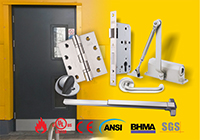
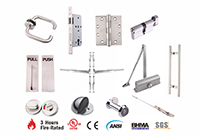
The material of your door—whether steel, wood, or glass—dictates which hardware will function correctly and meet safety codes. Manufacturers like D&D Hardware provide specialized solutions for each application.
Steel doors are common in industrial and commercial settings due to their fire rating and durability. For these, a Fire Steel Door Hardware Solution is typically used. This often involves a rim exit device or a vertical rod device. Because steel doors are heavy, the hardware must be robust. Accessories often include hinge plates and rubber silencers to dampen the noise of the heavy metal door closing.
In hotels, offices, and schools, wooden doors are preferred for their aesthetic appeal. However, wood is less rigid than steel. A Wooden Door Hardware Solution typically utilizes vertical rod panic bars to ensure the door doesn't warp and remains latched at the top and bottom. For upscale environments, a mortise lock with a panic bar is often chosen to maintain a sleek appearance.
These are often found in shopping centers and modern office lobbies. A Metal Door Hardware Solution might involve a cross-bar panic device, which offers a vintage or industrial look while providing a wide surface area for pushing.
Door Material | Recommended Hardware Configuration | Typical Environment |
|---|---|---|
Hollow Metal / Steel | Rim Exit Device or Surface Vertical Rod | Warehouses, Rear Exits, Stairwells |
Wood | Concealed Vertical Rod or Mortise Device | Hotel Corridors, Office Interiors |
Aluminum / Glass | Cross Bar or Narrow Stile Rim Device | Storefronts, Main Entrances |
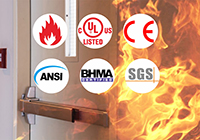
When selecting hardware, looking for the certification stamp is non-negotiable. Using uncertified hardware can lead to massive liability issues and failed building inspections.
UL 305: The standard for Panic Hardware. It tests the durability and ease of opening.
UL 10C: The standard for Positive Pressure Fire Tests of Door Assemblies. Hardware with this listing is safe for fire doors.
EN 1125: This covers panic exit devices operated by a horizontal bar. It applies to public buildings where users may not know the escape route (e.g., malls, airports).
EN 179: This applies to emergency exit devices operated by a lever handle or push pad, usually for areas where occupants are familiar with the surroundings (e.g., private offices).
1
Dogging allows you to retract the latch bolt and lock it in the open position. This essentially turns the door into a push-pull door that does not latch. This is useful for high-traffic doors during business hours to reduce wear and tear on the moving parts. However, mechanical dogging is strictly prohibited on fire-rated doors because a fire door must always latch closed to stop the spread of fire.
The standard length for vertical rods is typically around 1045 mm, but this is designed to be adjustable. The rod should generally cover no less than two-thirds of the door width for stability. Most vertical rods can be cut to size on-site to fit the specific height of your door. Once cut, the end cap must be secured tightly to ensure the mechanism engages the latch correctly.
Not necessarily. Panic hardware is required by code for buildings with an occupancy load over a certain number (usually 50 or 100 people, depending on local jurisdiction) and for high-hazard areas. Installing a panic bar on a standard residential door is possible but usually unnecessary. Conversely, installing a standard knob lock on a designated fire exit in a commercial building is a serious code violation.
A cross bar (often seen on older buildings or glass doors) has a wide bar that moves down and back when pushed. It has a classic look but fewer internal components. A touch bar (or push pad) is the modern, box-like device that sits flush against the door. Touch bars are generally more durable and offer more options for electronic integration, such as card readers or alarms.
Selecting the correct fire exit hardware is a balancing act between security, safety compliance, and functionality. Whether you require a heavy-duty vertical rod system for a double steel door in a warehouse or a sleek mortise device for a wooden hotel door, understanding the distinction between panic-rated and fire-rated devices is the first step.
Always verify that your hardware carries the necessary UL or CE certifications for your region. By investing in the correct certified hardware, you ensure that in the event of an emergency, the path to safety is clear, immediate, and reliable.