Views: 0 Author: Site Editor Publish Time: 2026-01-24 Origin: Site


You’re locking up the office late one night when you notice the back exit door feels… off. The push bar sticks, or maybe the latch doesn't quite click into place. It’s a small annoyance in the moment, but in a commercial building, a malfunctioning panic bar is a major safety liability.
When emergency hardware fails, you can't just call a generic handyman. You need a specialist who understands fire codes, security standards, and the mechanical intricacies of life-safety devices. But who exactly services push bars for commercial door systems, and how do you know if you need a repair or a full replacement?
This guide breaks down everything you need to know about servicing door hardware, identifying the right professionals for the job, and understanding the vital role of certified manufacturers like D&D Hardware.
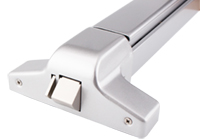
Before diving into repairs, it helps to understand exactly what this hardware does. A panic bar (often called a crash bar or push bar) is a type of door opening mechanism designed to allow fast and easy egress. It consists of a spring-loaded metal bar fixed horizontally across the inside of an exit door.
When the bar is depressed, it retracts the latch mechanism, allowing the door to open outward. This simple action is critical during emergencies, preventing "crush" situations where a crowd pressing against a door might otherwise prevent it from opening.
Not all door push bars are the same. Servicing requirements often depend on the specific type of device installed:
Rim Exit Devices: These are surface-mounted on the door. The latch projects from the device into a strike plate on the door frame. They are common, easy to install, and relatively easy to service.
Vertical Rod Exit Devices: These feature rods that extend to the top and bottom of the door, latching into the frame header and the floor. While they offer high security, they are more complex to align and service.
Mortise Exit Devices: The locking mechanism is recessed inside the door edge (mortised), offering a cleaner look and high durability. However, servicing them often requires removing the device to access the internal lock body.
1
If your push bar is broken, you generally have three options for service, depending on the severity of the issue and the type of building you manage.
For most businesses, a certified commercial locksmith is the first line of defense. Unlike residential locksmiths who focus on house keys, commercial specialists are trained in:
Panic bar installation and repair.
Re-keying cylinders within the push bar.
Adjusting door closers and hinges (which affect how the bar latches).
1
For larger facilities, hospitals, or schools, you might contract a door and hardware integration company. These firms handle the entire opening—frame, door, and hardware—as a complete system. They are essential if the problem isn't just the bar, but a warped door or a rusted frame preventing the bar from working.
If your building requires annual fire safety inspections, these certified inspectors will test your push bars for commercial door exits. While they may not always perform the repair themselves, they will diagnose failures regarding code compliance (like latching force or fire rating integrity) and direct you to certified repair services.
How do you know it’s time to call a pro? Here are the most frequent issues that plague commercial exit devices:
The bar sticks in the depressed position: This prevents the door from latching, leaving your building unsecured.
The door won't latch: The bar releases, but the door drifts open or doesn't seal tight. This is often an alignment issue with the strike plate or door closer.
Loose components: Heavy usage vibrates screws loose over time. A wobbly bar is a precursor to a total mechanical failure.
Grinding noises: If the internal springs or levers are rusted or broken, the operation will feel rough.

Sometimes, a repair isn't enough. If your hardware is old, obsolete, or physically damaged, replacement is the safer and more cost-effective option.
Scenario | Recommendation | Why? |
|---|---|---|
Minor stickiness | Repair | Often just needs lubrication or a spring adjustment. |
Loose mounting screws | Repair | Tightening or using thread-locker usually fixes this. |
Visible rust or corrosion | Replace | Corrosion compromises the structural integrity of the device. |
Failed Fire Inspection | Replace | If the device no longer meets UL/CE standards, it must be replaced to ensure compliance. |
Obsolete parts | Replace | If the manufacturer no longer makes parts, a new install is cheaper than custom fabrication. |
When replacement becomes necessary, the source of your hardware matters just as much as the installer. You need a CE UL fire resistance panic push bar supplier to ensure your building remains code-compliant.
Using uncertified or "grey market" hardware can lead to disastrous consequences. If a fire occurs and the exit device fails because it wasn't rated for high temperatures, the liability falls on the building owner.
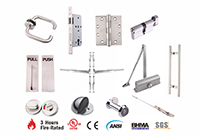
D&D Hardware Industrial Co., Ltd stands out as a leader in this space. They don't just sell parts; they provide globally certified life-safety solutions.
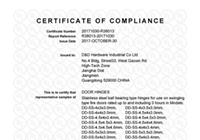
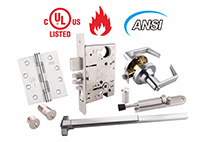
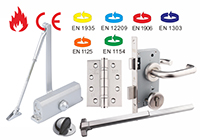
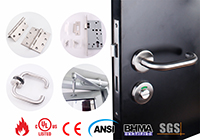
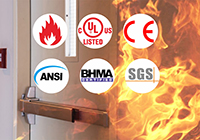
Certified Safety: Their panic bars are tested to CE EN1125 standards (verified for 200,000 cycles) and are UL Listed (UL 305 and UL 10C) for up to 3 hours of fire resistance.
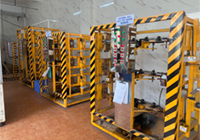
Durability: Their products undergo rigorous testing, including EN1670 corrosion resistance for 240 hours, making them suitable for harsh environments.
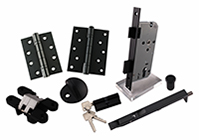
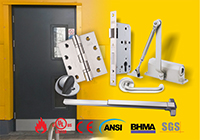
Comprehensive Solutions: D&D offers complete OEM services, meaning they can supply the entire ecosystem of the door—hinges, closers, and the panic bar itself—ensuring all components work seamlessly together.
1
It is not recommended. Panic bars are life-safety devices. An improper repair could prevent the door from opening during a fire. Always use a professional who understands NFPA and IBC codes.
Fire codes typically require an annual inspection of all fire door assemblies, including the panic hardware. However, high-traffic doors (like main entrances) should be checked monthly for functionality.
"Dogging" refers to mechanically holding the latch retracted so the push bar acts as a simple pull/push handle. This is useful for high-traffic hours. However, you cannot dog a fire-rated device. Fire doors must latch every time they close.
UL (Underwriters Laboratories) is the primary standard for the US and Canada (UL 305 for panic, UL 10C for fire). CE (EN1125) is the mandatory standard for the European market. D&D Hardware supplies devices that meet both strict standards.
Maintaining your commercial door hardware isn't just about security; it's about responsibility. Whether you need a simple spring adjustment or a full upgrade to a fire-rated vertical rod system, knowing who to call and what products to use is essential.
If your facility needs reliable, certified exit solutions, don't leave it to chance. Partner with a trusted CE UL fire resistance panic push bar supplier like D&D Hardware to ensure your exits are safe, compliant, and built to last.